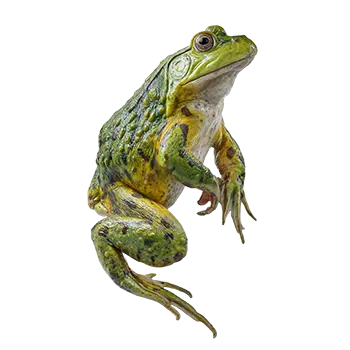

Terminal decline in an African Bullfrog is distinguished from the gradual, manageable changes of normal aging by its pace, severity, and resistance to intervention. While a healthy senior frog may slowly reduce its activity and appetite over years, a frog entering terminal decline exhibits more pronounced and accelerating deterioration that does not respond to adjustments in husbandry or veterinary treatment. Recognizing the difference between these two trajectories is one of the most difficult and important responsibilities a long-term keeper faces, and it requires both careful observation and an honest willingness to accept what the evidence reveals.
The hallmarks of terminal decline in an African Bullfrog include a persistent and progressive refusal to eat that extends beyond any normal seasonal or shedding-related fasting period, ongoing weight loss that continues despite the availability and presentation of preferred food items, a dramatic reduction in responsiveness to environmental stimuli, and a deterioration in skin condition that does not improve with humidity and hygiene adjustments. A frog in terminal decline may sit in an abnormal posture, with limbs extended awkwardly rather than tucked neatly beneath the body, and may fail to right itself promptly when gently displaced from its resting position.
Organ failure is the most common underlying cause of terminal decline in aged African Bullfrogs. Kidney failure, liver failure, and cardiac dysfunction can all progress to the point where the body's compensatory mechanisms are overwhelmed. Blood work performed by a veterinarian can provide objective data about organ function, but in some cases the results only confirm what the keeper's observations have already suggested. A frog whose blood values indicate severe and irreversible organ compromise is unlikely to benefit from aggressive treatment, and the focus of care should shift from curative to palliative.
It is important for keepers to understand that terminal decline is not a failure of care. African Bullfrogs, like all living organisms, have a finite lifespan, and even the most meticulously maintained animal will eventually reach the end of its biological capacity. A frog that has lived fifteen, twenty, or thirty years under attentive care has been given an exceptional life, and the keeper's final act of responsibility is to ensure that the animal's last days are as comfortable and dignified as the years that preceded them.