
Recognizing Full Maturity

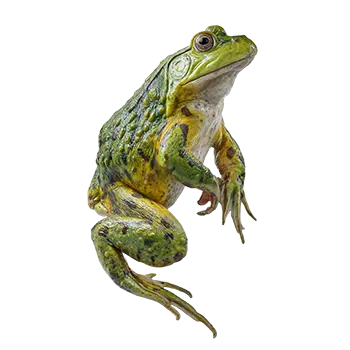
An African Bullfrog reaches full physical maturity between two and three years of age, though the timeline varies depending on sex, genetics, and the quality of care provided during the growth phases. Males are the more impressive sex in this species, with fully mature individuals measuring seven to nine and a half inches in snout-to-vent length and weighing between one and a half to over four pounds. Females are considerably smaller, typically reaching four and a half to five and a half inches and weighing substantially less. This pronounced sexual dimorphism is one of the most extreme among all frog species and becomes unmistakable by the time the animals reach maturity.

The physical hallmarks of a fully mature male African Bullfrog include a massively broad head, powerful jaw musculature that creates a distinctive angular profile, well-developed odontoid projections on the lower jaw, and a thick, robust body with a bright olive-green to dark green dorsal surface. The throat of a sexually mature male develops a yellowish or mustard-colored wash, which becomes more vivid during the breeding season. Females retain a more subdued coloration and lack the pronounced jaw musculature and throat coloring, though they share the same general body plan.

Behaviorally, a mature African Bullfrog is a confident, often bold animal that may approach the front of its enclosure when its keeper enters the room, particularly if it has learned to associate human presence with feeding. Despite this apparent tameness, adult African Bullfrogs retain all of their defensive capabilities and can deliver a painful bite with enough force to draw blood and cause bruising. The combination of size, strength, and willingness to bite makes this species one that demands consistent respect, even from experienced keepers who have handled the animal since it was a froglet.

The transition from active growth to physical maturity also brings a significant change in metabolic rate. An adult African Bullfrog requires substantially fewer calories per unit of body weight than a growing juvenile, and the feeding regimen must be adjusted accordingly to prevent the obesity that is rampant in captive populations. Recognizing that the animal has reached maturity and no longer needs the aggressive feeding schedule of its youth is one of the most important husbandry adjustments a keeper makes during the lifetime of this species.

Adult Diet and Feeding Management

Feeding an adult African Bullfrog correctly requires a disciplined approach that resists the animal's insatiable appetite. Adult males should be fed two to three times per week, with each feeding session consisting of a moderate quantity of appropriately sized prey. Large crickets, adult dubia roaches, superworms, hornworms, nightcrawlers, and occasional pre-killed pinky or fuzzy mice constitute a well-rounded adult diet. Females, being smaller, require proportionally smaller and slightly less frequent meals. The critical principle is that the frog should maintain a healthy body condition with a moderately rounded body profile without becoming visibly obese or developing fat rolls around the limbs and neck.

Obesity is the most common nutritional disorder in captive adult African Bullfrogs and is directly linked to organ failure, reproductive complications, and shortened lifespan. An obese African Bullfrog develops excessive fat deposits around the internal organs, particularly the liver, leading to hepatic lipidosis, a condition where fat infiltration compromises liver function and can be fatal. Keepers must resist the temptation to feed the frog every time it appears hungry, as a healthy adult African Bullfrog will display a vigorous feeding response virtually every time it sees movement near its enclosure, regardless of whether it actually needs food.

Calcium and vitamin supplementation remains a permanent part of the adult feeding protocol, though the frequency can be modestly reduced from the juvenile schedule. Dusting prey with calcium and vitamin D3 powder at every other feeding, and applying a multivitamin supplement once per week, is generally adequate for maintaining bone density and metabolic function in a non-breeding adult. Breeding females have significantly elevated calcium demands and require supplementation at every feeding during the conditioning and egg development period, a topic covered in detail in the breeding care guide.

Prey variety continues to be important for nutritional completeness. Earthworms and nightcrawlers should feature prominently in the rotation because they offer an excellent calcium-to-phosphorus ratio and are readily accepted by virtually all adult African Bullfrogs. Vertebrate prey such as pinky mice should be offered sparingly, no more than once every two to three weeks, because the high fat content of rodent prey contributes to weight gain and does not reflect the natural diet of wild African Bullfrogs, which consists primarily of invertebrates, other frogs, and small reptiles rather than mammals.

Permanent Enclosure Design

The permanent enclosure for an adult African Bullfrog should be designed with longevity, ease of maintenance, and the animal's behavioral needs in mind. A forty-gallon breeder tank is the minimum recommended enclosure size for an adult male, and many experienced keepers prefer larger setups in the fifty to seventy-five gallon range to provide additional space for thermoregulation and activity. Adult females can be comfortably housed in thirty to forty gallon enclosures. Glass terrariums and modified plastic storage tubs are both viable options, though glass offers the advantage of better visibility and easier temperature monitoring.

Substrate depth is an important consideration for adult African Bullfrogs because this species is a dedicated burrower that spends a significant portion of its time partially or fully buried. A substrate layer of four to six inches allows the frog to engage in this natural behavior, which serves both thermoregulatory and psychological functions. Coconut fiber, organic topsoil without additives, or a blend of the two works well as a naturalistic substrate. The substrate should be kept moderately damp throughout but never saturated, and it should be spot-cleaned daily and fully replaced every four to six weeks to prevent the buildup of waste products and harmful bacteria.

The water feature in an adult enclosure needs to be substantial enough for the frog to fully submerge its body. A large, heavy ceramic dish or a purpose-built water pool integrated into the enclosure design serves this function. Adult African Bullfrogs soak frequently, and the water dish will need to be emptied, cleaned, and refilled with fresh dechlorinated water daily, as the frog will inevitably defecate in its soaking water. Some keepers install a drainage system in their enclosure design to simplify this daily task, which is a worthwhile investment for a species that may live two to three decades.

Hides and visual barriers should be provided to give the frog a sense of security, even if the animal appears bold and unperturbed by its surroundings. Cork bark flats, half-logs, and ceramic caves all serve well as shelters. The enclosure should offer at least one hide on the warm side and one on the cooler side so the frog can thermoregulate without sacrificing its sense of cover. Live plants are generally not practical in an African Bullfrog enclosure because the animal's size and burrowing behavior will uproot and crush most vegetation, though robust species like pothos can sometimes survive if secured in pots or mounted above the substrate.

Seasonal Cycling and Dormancy

In the wild, African Bullfrogs are subject to dramatic seasonal fluctuations that profoundly influence their behavior and physiology. During the dry season, wild Pyxicephalus adspersus aestivate, entering a state of dormancy in underground chambers sealed with a cocoon of shed skin layers that prevent desiccation. This aestivation period can last for months, and the frog's metabolic rate drops to a fraction of its active-season baseline. While captive African Bullfrogs housed in stable, climate-controlled environments do not strictly require a dormancy period to survive, many experienced keepers incorporate a modified seasonal cycle into their annual care routine to support the animal's long-term health and behavioral well-being.

A captive seasonal cycle typically involves a gradual reduction in temperature, feeding frequency, and photoperiod over a period of four to six weeks during the cooler months of the year. Ambient temperatures in the enclosure are lowered from the normal warm-season range of 80 to 88 degrees on the warm side to approximately 68 to 74 degrees. Feeding is reduced to once per week or less as the frog's appetite naturally diminishes in response to the cooling. The photoperiod is shortened from twelve to fourteen hours of light to eight to ten hours, simulating the shorter days of the dry season. During this cooling period, the frog will become noticeably less active, spending more time buried in substrate and showing reduced interest in food.

The cooling period should last approximately six to eight weeks for a non-breeding adult. Some frogs will voluntarily reduce their food intake to near zero during this period and may partially bury themselves in the substrate in a shallow approximation of aestivation. As long as the frog maintains good body condition and shows no signs of illness, this behavior should be respected as a natural expression of the species' seasonal biology. Fresh water must remain available at all times during the cooling period, even if the frog is not actively feeding.

The return to warm-season conditions should be gradual, mirroring the pace of the cooling process. Over a period of two to three weeks, temperatures are raised back to normal, the photoperiod is extended, and feeding is offered with increasing frequency. Most African Bullfrogs emerge from their cooling period with a strong appetite and heightened activity levels. Keepers who plan to breed their animals use this transition as the trigger for conditioning and breeding protocols, as the shift from cool and dry to warm and humid replicates the onset of the rainy season that stimulates reproductive behavior in the wild.

Behavioral Patterns and Enrichment

Adult African Bullfrogs are often described as sedentary animals, and while it is true that they spend the majority of their time sitting motionless in a favorite spot or buried in substrate, their behavioral repertoire is richer than casual observation might suggest. These frogs are crepuscular to nocturnal in their activity patterns, meaning that much of their movement, foraging, and exploratory behavior occurs during evening and nighttime hours when the keeper may not be watching. Installing a red or dim blue nighttime light can allow observation of nocturnal activity without disturbing the frog's natural behavioral cycle.

Enrichment for an ambush-predator species like the African Bullfrog focuses less on physical complexity and more on feeding variation and environmental stimulation. Offering prey items from different locations within the enclosure rather than always dropping them in the same spot encourages the frog to move and orient toward different areas. Varying the type and size of prey between feedings keeps the predatory response engaged and prevents the behavioral stagnation that can develop when every meal is identical. Some keepers occasionally offer prey items using feeding tongs to simulate movement patterns that trigger the frog's strike response, which provides both mental stimulation and exercise.

Male African Bullfrogs are vocal animals, and adults will produce loud, resonant calls, particularly during the warmer months or in response to environmental cues such as rainstorms, changes in barometric pressure, or the sound of running water. The call of an adult male Pyxicephalus adspersus is a deep, booming sound that can be startling to uninitiated household members and may be audible from adjacent rooms. This calling behavior is entirely normal and should be expected as part of keeping an adult male of this species. It tends to be most frequent during the evening and nighttime hours and may intensify if the frog detects the presence of another frog or perceives seasonal cues associated with breeding.

Aggression is a defining behavioral trait of adult African Bullfrogs, particularly males. These animals will readily bite anything they perceive as either prey or a threat, and they do not distinguish between food items, cage furniture, and their keeper's hands. All enclosure maintenance, feeding, and handling should be conducted with an awareness of the frog's striking range and a respect for the force of its bite. Long feeding tongs, gentle movements, and a predictable approach routine help minimize the frequency of defensive or feeding-response bites, but occasional bites are an unavoidable reality of keeping this species.

Routine Health Maintenance

Maintaining the health of an adult African Bullfrog over its potentially multi-decade lifespan requires consistent attention to husbandry fundamentals and a proactive approach to veterinary care. Annual wellness examinations with a veterinarian experienced in amphibian medicine should be a standard part of the care program. A comprehensive annual checkup includes a visual and physical assessment of the frog's body condition, skin integrity, and musculoskeletal structure, along with a fecal examination to screen for internal parasites. Blood work may also be recommended periodically, particularly for older adults, to assess organ function and detect subclinical conditions before they become symptomatic.

Water quality is the single most important environmental factor influencing long-term health in captive amphibians, and this principle applies fully to African Bullfrogs. All water used in the enclosure, whether for the soaking dish, misting, or substrate dampening, must be treated to remove chlorine and chloramine. Municipal water treatment chemicals are directly toxic to amphibians, causing skin damage, respiratory distress, and organ toxicity even at concentrations considered safe for human consumption. A commercial dechlorinator formulated for amphibian and reptile use should be applied to all water before it enters the enclosure. Some keepers use reverse-osmosis or aged tap water for an additional margin of safety.

Skin health is a visible and reliable indicator of overall well-being in an adult African Bullfrog. Healthy skin is smooth, consistently moist, and free of discoloration, lesions, or abnormal texture. African Bullfrogs shed their skin periodically, typically consuming the shed skin as it is removed, so the keeper may not always observe the shedding process directly. However, patches of retained shed, persistent dry areas, or a dull and flaky appearance to the skin indicate that the enclosure humidity is too low or that the frog is not soaking adequately. Skin that appears reddened, particularly on the ventral surfaces, may indicate early bacterial dermatitis and warrants prompt veterinary evaluation.

Enclosure hygiene is the foundation of disease prevention. Daily tasks include removing feces and uneaten food, changing the water in the soaking dish, and verifying that temperature and humidity readings are within the appropriate ranges. Weekly tasks include a more thorough inspection of the substrate condition, cleaning of enclosure walls, and sanitization of hides and furniture. Full substrate replacement should occur every four to six weeks, with the entire enclosure being washed and disinfected with an amphibian-safe cleanser during the substrate change. This routine may seem labor-intensive, but it is the most effective way to prevent the bacterial and fungal problems that are the primary health threats to captive amphibians.

Long-Term Commitment and Planning

Acquiring an adult African Bullfrog or raising one from a juvenile is a commitment that may span two to three decades, and this extraordinary longevity demands realistic long-term planning from the keeper. The costs associated with maintaining an adult African Bullfrog over its lifespan are not trivial, as they include ongoing expenditures for food, substrate, electricity for heating and lighting, veterinary care, and periodic equipment replacement. Prospective keepers should honestly assess their financial ability and willingness to sustain these costs not just for this year or next year, but for the next twenty to thirty years.

Housing stability is another long-term consideration that is often underestimated. An adult male African Bullfrog in a forty-gallon or larger enclosure requires a dedicated, stable location in the home that can accommodate the tank's weight, the sound of the frog's calls, and the daily maintenance routine. Renters should verify that their lease permits amphibian pets, and anyone anticipating major life changes such as relocating, starting a family, or downsizing should consider how the frog will be accommodated in those new circumstances. Unlike a dog or cat, an African Bullfrog cannot easily be rehomed due to the specialized knowledge required for its care.

Emergency and contingency planning is an aspect of long-term pet ownership that responsible keepers address proactively. Identifying a secondary caretaker who is willing and able to assume responsibility for the frog in the event of the keeper's incapacity, relocation, or death is a practical step that protects the animal's welfare. Preparing a written care guide specific to the individual frog, including its feeding preferences, veterinary history, and any known health sensitivities, ensures that a secondary caretaker has the information needed to provide continuity of care.

The relationship between a keeper and a long-lived amphibian like the African Bullfrog evolves over the years in ways that may surprise those new to the hobby. While these animals do not form social bonds in the way that mammals do, they do learn to recognize routine patterns and the presence of their primary caretaker. Many keepers report that their adult African Bullfrogs exhibit distinct individual personalities, with some animals becoming remarkably calm and interactive over time while others retain a more defensive disposition throughout their lives. Appreciating the frog as an individual and adapting care practices to its temperament is part of the rewarding experience of long-term stewardship.

Always consult a qualified professional before making any health-related decisions. This content is provided for informational reference only and should not replace professional guidance specific to your animal.