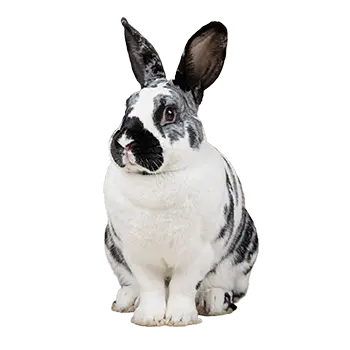

When Does Senior Begin?

Determining when a Checkered Giant transitions from a prime adult to a senior rabbit requires understanding both general rabbit aging and the specific characteristics of large breeds. As a general guideline, Checkered Giants are considered to enter their senior years around four to five years of age, which is somewhat earlier than smaller rabbit breeds that may not reach senior status until six or seven years. This earlier onset reflects the well-documented pattern across mammalian species in which larger body sizes within a species tend to correlate with shorter overall lifespans and earlier aging.

The transition into senior status is rarely a sudden event. Instead, owners typically notice a gradual shift in energy levels, activity patterns, and physical condition over a period of months. A Checkered Giant that once sprinted through its exercise area with boundless enthusiasm may begin to prefer shorter, less intense activity sessions. The rabbit's coat may lose some of its youthful luster, and the muscular definition that defined the full-arch body type in its prime may begin to soften. These changes are normal and expected, but they signal that adjustments to care routines are needed to support the rabbit's evolving needs.

It is important to distinguish between normal aging changes and symptoms of treatable medical conditions. A rabbit that suddenly becomes lethargic, stops eating, or shows dramatic weight changes is not simply getting old; these are signs of illness that require prompt veterinary attention regardless of the rabbit's age. Senior rabbits deserve the same diagnostic effort and treatment options as younger animals. Work with your veterinarian to establish an enhanced monitoring schedule, typically including wellness examinations every six months rather than annually, with blood work and urinalysis to track organ function over time.

Every rabbit ages differently, and some Checkered Giants remain remarkably active and healthy well beyond the typical senior threshold. Genetics, lifetime nutrition, exercise history, veterinary care, and environmental quality all influence the aging trajectory. By understanding the signs of aging and responding proactively, owners can help their Checkered Giants enjoy comfortable, enriched lives throughout their senior years.

Mobility & Joint Health

Joint health and mobility are among the most significant concerns for aging Checkered Giants, as the breed's substantial body weight places considerable stress on the skeletal system over time. Arthritis is common in senior rabbits of all breeds but is particularly impactful in large breeds where every movement requires supporting eleven or more pounds of body weight. Early signs of arthritis include reluctance to hop onto previously enjoyed platforms, stiffness after resting, a shortened stride during movement, and difficulty with grooming the hindquarters or lower back.

Environmental modifications can dramatically improve comfort and quality of life for a Checkered Giant with declining mobility. Replace any ramps or platforms that require jumping with low-profile alternatives that the rabbit can step onto without effort. Provide thick, soft bedding or orthopedic mats throughout the living area and exercise space to cushion joints during movement and rest. Ensure that the litter box has a low entry point so the rabbit can enter and exit without hopping over a high lip, and consider placing litter boxes in multiple locations so the rabbit does not have to travel far.

Your veterinarian may recommend joint support strategies appropriate for your individual rabbit. Various supplements have been used in rabbits to support joint health, though evidence for their efficacy in this species is limited. Pain management is an important aspect of arthritis care, and your veterinarian can prescribe rabbit-safe pain medications to improve comfort and maintain mobility. Never administer over-the-counter human pain medications to a rabbit, as many common analgesics are toxic to rabbits even in small doses.

Gentle, regular exercise remains important for senior Checkered Giants with joint issues, as complete inactivity leads to muscle wasting that further destabilizes the joints. Adapt the exercise routine to the rabbit's current abilities: shorter sessions, softer surfaces, and lower-impact activities. Swimming is not appropriate for rabbits, but supervised exploration on carpet or grass at the rabbit's own pace allows the animal to maintain muscle tone without excessive joint stress. Watch for signs that the rabbit has overexerted itself, such as reluctance to move after exercise or visible discomfort when settling into a resting position.

Cognitive Changes

Cognitive decline in senior rabbits is a recognized but often underappreciated aspect of aging. While rabbits are not studied as extensively as dogs or cats in terms of age-related cognitive dysfunction, experienced rabbit owners and veterinarians observe behavioral changes in aging rabbits that suggest declining cognitive function. A senior Checkered Giant may appear disoriented in familiar spaces, lose previously established litter box habits, show altered sleep-wake cycles, or become less responsive to familiar cues and routines.

Changes in social behavior can also reflect cognitive shifts. A senior Checkered Giant that was previously bonded and interactive with a companion rabbit may become withdrawn, less interested in mutual grooming, or unexpectedly aggressive. Similarly, the rabbit's relationship with its human companions may change, with some seniors becoming more dependent and seeking increased contact, while others become more reclusive. These changes can be distressing for owners who remember their rabbit's former personality, but understanding that cognitive changes are a normal part of aging helps frame the experience with compassion rather than frustration.

Maintaining cognitive enrichment throughout the senior years can help slow the progression of mental decline. Continue to provide novel objects for exploration, rotate toys and environmental features regularly, and engage the rabbit in gentle interactive activities that stimulate its senses and problem-solving abilities. Food puzzles that are age-appropriate and not frustratingly difficult, new scents introduced on fabric or fresh herb bundles, and supervised exploration of safe new areas all provide cognitive stimulation without physical strain.

It is essential to rule out medical causes for behavioral changes before attributing them to cognitive decline. Many conditions common in senior rabbits, including dental disease, urinary tract infections, Encephalitozoon cuniculi infection, pain from arthritis or other sources, and vision or hearing loss, can produce behavioral symptoms that mimic cognitive dysfunction. A thorough veterinary evaluation, including neurological assessment and appropriate diagnostics, should be the first step when a senior rabbit's behavior changes significantly.

Nutrition for Aging

The nutritional needs of a senior Checkered Giant shift subtly but meaningfully as the rabbit ages. Unlimited grass hay remains the dietary cornerstone, and its importance actually increases in senior rabbits because maintaining gut motility and dental health becomes more challenging with age. If the rabbit shows declining interest in its usual hay, try offering different varieties or cuts, as a change in texture or flavor can sometimes reignite enthusiasm. Second-cut timothy, which tends to be softer and leafier than first-cut, may be easier for seniors with dental concerns to chew and enjoy.

Pellet portions may need adjustment based on the senior rabbit's body condition. Some aging Checkered Giants tend toward weight gain as their activity level declines, requiring a modest reduction in pellet rations. Others lose weight as they age due to declining appetite, reduced nutrient absorption, or underlying health conditions, and may benefit from slightly increased pellet portions or the temporary reintroduction of alfalfa-based pellets for their higher calorie and protein content. Work with your veterinarian to determine the appropriate approach for your individual rabbit, and weigh the rabbit regularly to track trends.

Fresh vegetables continue to play an important role in the senior diet, providing hydration, vitamins, and variety. If your rabbit develops dental issues that make chewing large pieces difficult, try finely chopping greens or offering softer varieties such as butter lettuce, cilantro, and fresh herbs. Adequate hydration is particularly important for senior rabbits, as kidney function may decline with age and concentrated urine increases the risk of urinary sludge and bladder stones. Encourage water intake by offering both a bottle and an open dish, ensuring water is always fresh, and providing water-rich vegetables.

Monitor the rabbit's cecotrope consumption carefully. Senior rabbits with mobility issues, obesity, or spinal stiffness may struggle to reach their cecotropes, which are produced and consumed directly from the anus. Uneaten cecotropes found in the enclosure indicate that the rabbit is missing out on essential nutrients including B vitamins and beneficial gut bacteria. If this becomes a chronic issue, discuss nutritional supplementation options with your veterinarian and address the underlying mobility or weight problems that are preventing normal cecotrope consumption.

Increased Veterinary Care

Senior Checkered Giants benefit from an increased frequency of veterinary examinations, typically shifting from annual to semi-annual wellness visits around the time the rabbit enters its senior years. These more frequent check-ups allow the veterinarian to detect emerging health conditions while they are still in early, more treatable stages. Each visit should include a comprehensive physical examination, dental assessment, body weight and condition scoring, and discussion of any behavioral or appetite changes the owner has observed at home.

Blood work becomes increasingly valuable as a diagnostic and monitoring tool for senior rabbits. A complete blood count and serum chemistry panel can reveal early signs of kidney disease, liver dysfunction, metabolic imbalances, and other conditions that may not yet be producing visible symptoms. Urinalysis helps assess kidney concentrating ability and screen for urinary tract infections, which are more common in older rabbits. Your veterinarian may recommend establishing baseline blood values when the rabbit first enters its senior years, with follow-up panels every six to twelve months to track changes over time.

Dental disease is one of the most common and consequential health issues in senior rabbits. As the rabbit ages, the risk of molar spurs, tooth root elongation, and jaw abscesses increases. Regular dental examinations using an otoscope or, when indicated, skull radiographs allow early detection and intervention. If your rabbit requires dental procedures under anesthesia, discuss the additional precautions your veterinarian takes for senior patients, including pre-anesthetic blood work, careful temperature monitoring, and appropriate pain management protocols.

Other conditions that warrant heightened surveillance in senior Checkered Giants include Encephalitozoon cuniculi, a parasitic infection that can cause head tilt, kidney damage, and neurological symptoms; uterine cancer in unspayed does, which becomes increasingly likely after age three; and various forms of cancer that can affect rabbits of any breed as they age. Maintain open communication with your veterinarian about your rabbit's quality of life, and do not hesitate to seek evaluation for any change, however minor it may seem, in your senior rabbit's behavior, appetite, or habits.

Quality of Life Assessment

Assessing quality of life in a senior Checkered Giant is an ongoing process that requires balancing objective health metrics with a deep understanding of the individual rabbit's personality and preferences. Every owner should develop a personal quality of life framework that considers the factors most important to their specific rabbit. For many Checkered Giants, key quality indicators include the ability to move freely without pain, continued interest in food and treats, engagement with the environment and companions, maintenance of grooming habits, and the presence of moments of apparent contentment such as relaxed resting postures, gentle tooth purring, and occasional binkies or playful behavior.

A useful approach is to maintain a simple daily journal noting the rabbit's appetite, activity level, social engagement, and any pain indicators such as teeth grinding, reluctance to move, or hunched posture. Over weeks and months, this journal reveals trends that might be imperceptible on a day-to-day basis. A gradual but steady decline across multiple quality indicators may signal that the rabbit's condition is progressing despite best efforts, while a sudden drop often points to an acute medical issue that may be treatable.

Discussing quality of life proactively with your veterinarian, before a crisis arises, helps prepare both emotionally and practically for the decisions that may eventually become necessary. Your veterinarian can help identify objective markers relevant to your rabbit's specific conditions, suggest palliative interventions that may improve comfort, and provide guidance on recognizing when the balance between good moments and suffering has shifted. These are deeply personal conversations, and a good veterinarian will support the owner through them without rushing the process or minimizing the significance of the bond.

It is equally important to avoid projecting human standards of quality onto the rabbit's experience. A senior Checkered Giant that no longer sprints around the room but still eagerly approaches its food, enjoys gentle petting sessions, and rests comfortably may have an excellent quality of life by rabbit standards. Conversely, a rabbit that appears outwardly normal but has stopped eating, withdrawn from social interaction, or consistently shows signs of pain may be suffering in ways that are not immediately obvious to an untrained observer. Trust your knowledge of your individual rabbit, consult your veterinarian regularly, and make decisions rooted in the rabbit's wellbeing rather than the understandable human desire to hold on.

Always consult a qualified professional before making any health-related decisions. This content is provided for informational reference only and should not replace professional guidance specific to your animal.