
Peak Health Maintenance

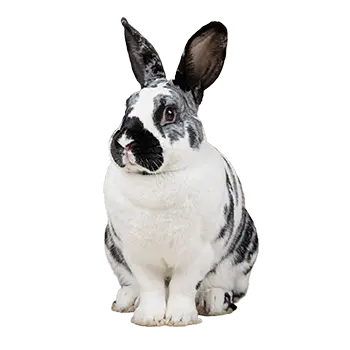
A Checkered Giant reaches full physical maturity between twelve and fourteen months of age, entering the prime adult phase that typically spans from one year through approximately four years of age. During this period, the rabbit should display the breed's characteristic full-arch body type at its finest: a long, lean, muscular frame carried high off the ground on powerful legs, with the distinctive markings sharp and well-defined. Maintaining peak health during these prime years requires consistent daily care routines, regular veterinary oversight, and an environment that supports this breed's need for space and activity.

Daily health monitoring should become second nature for the Checkered Giant owner. Each morning, observe the rabbit's movement, posture, appetite, water consumption, and litter box output. A healthy adult Checkered Giant is alert, active, and eager to explore during its active periods, which are typically dawn and dusk. Droppings should be consistently round, dry, and uniform in size. Cecotropes, the soft nutrient-rich droppings that rabbits reingest directly, should rarely be found in the enclosure, as a healthy rabbit consumes them as they are produced. Finding uneaten cecotropes regularly may indicate dietary imbalance or dental issues.

Annual veterinary examinations are the cornerstone of preventive health care for adult Checkered Giants. A rabbit-experienced veterinarian will assess body condition, dental health, heart and lung function, abdominal palpation, ear and eye condition, and the general state of the coat and skin. Blood work and urinalysis may be recommended every one to two years to establish baseline values and detect early signs of organ dysfunction. Because rabbits are prey animals that instinctively mask symptoms of illness, subtle changes that an owner might overlook can sometimes be caught during a thorough veterinary examination.

Maintaining a healthy weight is critically important for adult Checkered Giants. While this breed should weigh eleven pounds or more, there is a meaningful difference between a lean, muscular eleven-pound rabbit and an overweight, sedentary one. Obesity in rabbits leads to a cascade of health problems including fatty liver disease, pododermatitis from excess pressure on the hocks, inability to reach the cecotropes for reingestion, and increased surgical risk if anesthesia is ever needed. Regularly assess body condition by feeling along the ribs and spine; you should be able to detect individual ribs under a thin layer of tissue without them being visually prominent.

Nutrition at Maturity

The dietary foundation for an adult Checkered Giant is unlimited grass hay, which should constitute approximately eighty percent of the total diet. Timothy hay is the most commonly recommended variety, though orchard grass, meadow hay, oat hay, and botanical blends are equally appropriate and can be offered in rotation to maintain interest. Hay provides the long-strand fiber essential for healthy gut motility and continuous dental wear, both of which are critical for rabbit health. A Checkered Giant that stops eating hay or shows declining interest should be evaluated promptly, as this can signal dental problems or early gastrointestinal stasis.

Pellets serve as a nutritional supplement rather than a dietary staple for adult rabbits. A mature Checkered Giant should receive approximately one-quarter to one-half cup of high-quality timothy-based pellets per day, depending on body condition and activity level. Choose a plain pellet without added seeds, dried fruit, colored pieces, or yogurt drops, as these additions contribute unnecessary sugar and fat. The pellet should contain a minimum of eighteen percent crude fiber, fourteen to sixteen percent protein, and no more than two percent fat. Adjust the pellet portion based on body condition, reducing or increasing as needed to maintain a lean, athletic build.

Fresh vegetables are an important source of vitamins, minerals, and hydration for adult Checkered Giants. Offer approximately two to three packed cups of varied leafy greens daily, rotating through options such as romaine lettuce, red and green leaf lettuce, cilantro, parsley, basil, dandelion greens, and endive. Darker greens like kale, mustard greens, and bok choy can be included in moderation but should not dominate the vegetable portion due to their higher calcium and oxalate content. Introduce any new vegetable slowly and monitor droppings for signs of digestive sensitivity.

Fresh, clean water must be available at all times. An adult Checkered Giant can consume a surprising volume of water daily, particularly in warmer weather or during periods of high activity. Both bottle-style waterers and heavy ceramic crocks are acceptable, though many rabbit owners prefer to offer both, as some rabbits drink more readily from an open dish. Clean and refill water containers daily regardless of how full they appear, as bacteria can proliferate quickly in standing water.

Exercise & Fitness

The Checkered Giant is one of the most athletic rabbit breeds in existence, and adult individuals retain the energy and drive that makes exercise a daily necessity rather than an occasional luxury. A mature Checkered Giant should have a minimum of four hours of supervised exercise outside its enclosure each day, with access to a space large enough to allow full-speed sprinting. This breed is built to run, and watching a healthy adult Checkered Giant in motion reveals the purpose behind the full-arch body type: these rabbits are fast, agile, and powerful movers that need room to express their natural athleticism.

The exercise area should offer variety and stimulation beyond simple open floor space. Create an enrichment landscape that includes tunnels of appropriate diameter for this large breed, platforms at varying heights for jumping, untreated wood and cardboard structures for chewing and exploring, and items that can be tossed and nosed around for interactive play. Rearrange the layout periodically to provide novelty, as Checkered Giants are intelligent rabbits that become bored with static environments. Boredom in this breed often manifests as destructive behavior or withdrawal, both of which indicate that the rabbit's environmental needs are not being met.

Outdoor exercise can be a wonderful enrichment opportunity for Checkered Giants when appropriate precautions are taken. A secure outdoor exercise pen with a solid bottom to prevent digging escapes, a covered top to protect from aerial predators, and shade provisions for warm weather allows the rabbit to experience natural sunlight, fresh air, and the stimulation of grass and outdoor scents. Never leave a rabbit unattended outdoors, as predator attacks can occur with startling speed, and rabbits can succumb to heat stress rapidly in direct sunlight.

Monitor the rabbit's exercise patterns for changes that might indicate health concerns. An adult Checkered Giant that becomes reluctant to run, favors one side, shows an altered gait, or stops performing binkies may be experiencing pain from dental disease, sore hocks, arthritis, or an internal condition. Because rabbits mask pain so effectively, a change in exercise behavior is often one of the earliest detectable signs that something is wrong and warrants veterinary evaluation.

Preventive Health Care

Preventive health care for an adult Checkered Giant encompasses regular veterinary visits, parasite management, and vigilant home monitoring for the conditions most common in this breed and in rabbits generally. Schedule a comprehensive wellness examination at least once per year with a veterinarian experienced in rabbit medicine. During these visits, the veterinarian should perform a thorough dental examination including assessment of the incisors and, using an otoscope, the molar arcade, as dental disease is one of the most prevalent health issues in domestic rabbits of all breeds.

Gastrointestinal stasis is a potentially life-threatening condition in which the normal motility of the digestive tract slows or stops. Adult Checkered Giants are susceptible to stasis triggered by stress, dietary changes, dehydration, pain from an unrelated condition, or insufficient fiber intake. Learn to recognize the early signs, which include decreased or absent droppings, reduced appetite, a hunched posture, teeth grinding indicating pain, and a distended or gas-filled abdomen. Gastrointestinal stasis is a veterinary emergency, and early intervention dramatically improves outcomes.

Sore hocks, known as pododermatitis, deserve particular attention in Checkered Giants due to their substantial body weight. Regularly inspect the bottom of the hind feet for thinning fur, redness, calluses, or open sores. Wire-bottom cages are inappropriate for this breed; instead, provide solid flooring with soft, clean bedding or a resting mat. Overweight rabbits and those housed on hard or rough surfaces are at greatest risk. If early signs of sore hocks are detected, consult your veterinarian about appropriate padding and treatment before the condition progresses to an open wound that is vulnerable to infection.

Rabbit hemorrhagic disease virus is an emerging concern in many regions, and vaccination may be recommended depending on your geographic location and local disease prevalence. Discuss current vaccination protocols with your veterinarian, as recommendations continue to evolve as the virus spreads into new areas. Additionally, maintain a regular parasite prevention program that addresses both internal parasites such as coccidia and Encephalitozoon cuniculi and external parasites such as fur mites and ear mites. Your veterinarian can recommend appropriate screening and treatment protocols based on your specific circumstances.

Behavioral Maturity

By the time a Checkered Giant reaches full adulthood, its core personality is well established, and owners can expect a rabbit with a distinctive blend of independence, curiosity, and spirited energy. This breed is not typically a passive lap rabbit; instead, adult Checkered Giants tend to be confident, opinionated individuals that interact with their environment and their human companions on their own terms. Understanding and appreciating this temperament is key to a rewarding relationship with the breed.

A well-socialized adult Checkered Giant typically enjoys human interaction but prefers to initiate contact rather than being pursued or confined. Many individuals develop preferred petting spots and will position themselves to solicit attention, then move away clearly when they have had enough. Respecting these boundaries builds trust and strengthens the bond between rabbit and owner. Forcing interaction on a rabbit that is signaling a desire for space often backfires, resulting in defensive behaviors such as thumping, boxing, or nipping.

Territorial behaviors tend to stabilize in adulthood, particularly in spayed or neutered rabbits, but some degree of territorial awareness is normal and healthy. An adult Checkered Giant may chin furniture and objects to mark them with its scent, thump when it detects an unfamiliar sound, or display defensive posturing if a stranger enters its established space. These behaviors are expressions of natural rabbit instincts and should not be punished. Instead, provide the rabbit with a clearly defined home base where it feels secure, and introduce changes to the environment gradually.

Bonded pairs or groups of adult Checkered Giants typically settle into stable social hierarchies with established grooming, resting, and play patterns. However, disruptions to the bond, such as separation for veterinary visits, introduction of new animals to the household, or significant environmental changes, can cause temporary or permanent ruptures in the relationship. If a bonded pair begins fighting after a disruption, separate them immediately and restart the bonding process on neutral territory. Maintaining a bonded relationship requires ongoing attention to the social dynamics between the rabbits.

Dental & Grooming

Dental health is a lifelong concern for all rabbits, and the Checkered Giant is no exception. Rabbit teeth grow continuously throughout life, and proper wear depends on the constant grinding action of chewing long-strand hay and fibrous plant material. An adult Checkered Giant with a healthy diet of unlimited grass hay typically maintains its teeth naturally, but dental problems can still develop due to genetic predisposition, injury, or metabolic imbalances. Monitor the incisors regularly by gently lifting the lips; they should be evenly aligned, smooth, and of equal length. Signs of dental trouble include drooling, selective eating, dropping food, facial swelling, nasal discharge, or reduced appetite.

Molar problems are more difficult to detect at home because the cheek teeth are not visible without specialized equipment. However, behavioral clues such as a preference for soft foods over hay, messy eating, weight loss, or a wet chin from drooling can indicate molar spurs, overgrowth, or abscesses. If you suspect molar issues, seek veterinary evaluation promptly, as dental disease in rabbits can progress rapidly and cause significant pain and secondary complications including abscesses of the jaw and tear duct blockage.

Grooming requirements for the Checkered Giant are moderate compared to long-haired breeds but should not be neglected. The short, dense coat benefits from weekly brushing with a slicker brush or rubber grooming mitt to remove loose fur and stimulate healthy skin circulation. During seasonal shedding, which typically occurs every three to four months, brushing frequency should increase to daily sessions, as rabbits that ingest excessive amounts of loose fur are at risk for wool block, a dangerous form of gastrointestinal obstruction. Unlike cats, rabbits cannot vomit, so ingested fur can only pass through the digestive tract with the help of adequate fiber and hydration.

Nail trimming should be performed every four to six weeks, or more frequently if the nails are not worn down naturally through exercise on appropriate surfaces. Use small animal nail clippers and trim just the tip of each nail, avoiding the quick, which is visible as a pink area in light-colored nails. For rabbits with dark nails, trim conservatively and use a flashlight held behind the nail to help identify the quick. Regular nail maintenance prevents overgrown nails from snagging, curling into the footpad, or altering the rabbit's gait in ways that contribute to sore hocks. Additionally, check the ears regularly for wax buildup or signs of mite infestation, and inspect the scent glands located on either side of the genital area, cleaning them gently with a damp cotton swab if waxy buildup is present.

Always consult a qualified professional before making any health-related decisions. This content is provided for informational reference only and should not replace professional guidance specific to your animal.