
Breeding Readiness

Determining breeding readiness in Checkered Giants requires evaluating both physical maturity and overall health rather than relying solely on age. As a large breed, Checkered Giants mature more slowly than smaller rabbit breeds, and breeding too early can compromise the health of the doe and the quality of the offspring. Does generally reach breeding readiness between eight and twelve months of age, while bucks may be ready slightly earlier, typically between seven and ten months. However, individual development varies, and physical maturity should be confirmed through careful assessment before any breeding is attempted.

A doe that is ready for breeding should have reached her minimum adult weight of eleven pounds, display a well-developed body with good muscle tone and a healthy coat, and show no signs of illness or nutritional deficiency. Her temperament should be calm enough that the stress of pregnancy, kindling, and nursing will not overwhelm her. A buck ready for breeding should also be at or above the breed's minimum weight, display vigor and alertness, and have both testicles fully descended. Both animals should be examined by a veterinarian to rule out any underlying health conditions that could be transmitted to offspring or complicate the breeding process.

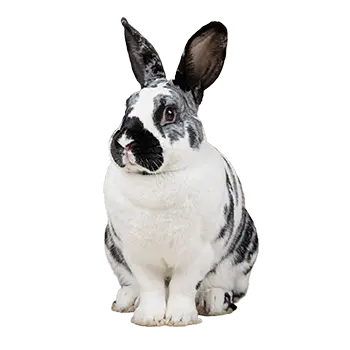
Beyond physical readiness, responsible breeders evaluate the pedigree and conformation of both the buck and doe against the breed standard before making breeding decisions. The Checkered Giant has a detailed and specific standard that includes requirements for the butterfly nose marking, eye circles, cheek spots, herringbone spine pattern, side spots, and the overall full-arch body type. Understanding how the markings and type of the sire and dam are likely to combine helps breeders make informed pairing decisions that support the long-term improvement of the breed.

Emotional preparedness of the breeder is equally important. Breeding rabbits carries inherent risks including pregnancy complications, kindling difficulties, kit mortality, and the doe rejecting or harming her litter. The breeder must be prepared to provide intensive care if complications arise, to hand-raise orphaned kits if necessary, and to find responsible, knowledgeable homes for all offspring that are not being retained. Breeding should never be undertaken casually or without a clear plan for every kit that may result from the pairing.

The Breeding Cycle

Unlike many mammals, female rabbits do not have a predictable estrous cycle with defined periods of fertility and infertility. Instead, does are induced ovulators, meaning that ovulation is triggered by the physical act of mating rather than occurring on a regular hormonal schedule. This means that a healthy doe can become pregnant at virtually any time, though her receptivity to the buck may vary based on hormonal fluctuations, environmental factors, and individual temperament. A doe that is receptive will typically display a swollen, purplish-red vulva, restless behavior, and a willingness to lift her hindquarters when pressure is applied to her back.

The standard practice for rabbit breeding is to bring the doe to the buck's enclosure rather than the reverse. Does are territorial and may attack an unfamiliar buck introduced to their space, potentially causing serious injury. In the buck's territory, the doe is less likely to be aggressive, and the buck can focus on courtship without feeling displaced. Supervise the pairing closely and be prepared to separate the rabbits immediately if the doe becomes aggressive. A successful mating is typically indicated by the buck falling to the side or backward after mounting, often accompanied by a grunt or squeal.

Many breeders allow two or three matings in a single session to increase the likelihood of conception, then return the doe to her own enclosure. Some breeders also bring the doe back for a second breeding session eight to twelve hours later to further improve conception rates. Record the date of breeding carefully, as this information is essential for calculating the expected kindling date and preparing the nest box at the appropriate time.

False pregnancies can occur in rabbits when ovulation is triggered but fertilization does not take place, or through hormonal stimulation from mounting behavior between housed-together does. A doe experiencing a false pregnancy may exhibit nesting behavior, fur pulling, appetite changes, and even mammary development approximately sixteen to eighteen days after the stimulus. The behavior typically resolves on its own within a few days, but recognizing false pregnancy helps avoid confusion with a genuine pregnancy and allows the breeder to attempt a re-breeding at the appropriate time.

Pregnancy & Gestation

The gestation period for Checkered Giants, as with all domestic rabbit breeds, is approximately 28 to 33 days, with most does kindling between day 30 and day 32. During the first two weeks of pregnancy, external signs are minimal, and it can be difficult to confirm pregnancy with certainty. Some breeders attempt to palpate the developing kits through the abdominal wall at approximately ten to fourteen days post-breeding, though this technique requires experience and a gentle touch to avoid injuring the developing embryos. If you are not experienced with palpation, consult your veterinarian for guidance.

As the pregnancy progresses beyond the two-week mark, the doe's body begins to change more noticeably. She may show increased appetite and water consumption, and her abdomen gradually becomes fuller and rounder. In the final week of pregnancy, the doe's body is visibly distended, and gentle palpation may reveal the movement of individual kits. The doe may become more protective of her space and irritable with handling during this period, which is a normal hormonal response that should be respected. Minimize unnecessary handling in the final week while still performing essential daily health checks.

Nutrition during pregnancy is critically important for both the doe's health and the development of the litter. Gradually increase the doe's pellet ration beginning around the midpoint of gestation, and consider transitioning to alfalfa-based pellets or supplementing with alfalfa hay for the additional protein and calcium demands of pregnancy. Unlimited grass hay should remain available at all times, and fresh vegetables can continue as part of the diet. Ensure the doe has constant access to clean, fresh water, as dehydration during pregnancy can lead to serious complications.

Approximately three to five days before the expected kindling date, place a clean nest box in the doe's enclosure filled with fresh straw or hay. Many does will begin arranging the nesting material and pulling fur from their chest and dewlap to line the nest in the days leading up to kindling. If the doe does not pull fur on her own, you can gently pluck a small amount of loose fur from her sides or dewlap to supplement the nest lining. The nest box should be large enough for the doe to enter comfortably but cozy enough to keep the kits clustered together for warmth.

Kindling & Delivery

Kindling in rabbits typically occurs in the early morning hours and progresses rapidly, with most does delivering their entire litter within fifteen to thirty minutes. The doe usually handles the process entirely on her own, cleaning each kit, consuming the placenta, and gathering the newborns into the nest. In most cases, the best approach for the breeder is to allow the doe to kindle undisturbed and check the nest afterward, once the doe has settled and moved away from the box to eat or rest. Excessive interference during kindling can stress the doe and increase the risk of her scattering, injuring, or cannibalizing the kits.

Checkered Giant litters typically range from six to ten kits, though larger litters are not uncommon in this breed. After the doe has moved away from the nest, gently check the litter. Count the kits, remove any stillborn individuals, and confirm that all living kits appear pink, warm, and healthy. Check for any kits that may have been born outside the nest box and return them to the nest promptly, as newborn rabbits cannot thermoregulate and will quickly chill if left exposed. Rub your hands in the nesting material before handling kits to minimize scent disruption.

Complications during kindling are relatively uncommon in healthy does but can occur. A doe that is actively straining for more than thirty minutes without producing a kit may be experiencing a difficult delivery and should receive veterinary assistance. Retained kits or placental tissue can cause life-threatening infection if not addressed. After kindling, monitor the doe for signs of complications including bloody or foul-smelling discharge, loss of appetite lasting more than twelve hours, lethargy, or fever. Any of these signs warrant immediate veterinary evaluation.

First-time mothers occasionally make mistakes such as kindling outside the nest box, failing to clean the kits, or scattering the litter. If the doe kindles on the wire or cage floor, gather the kits into the prepared nest box, cover them with pulled fur, and return the nest to the doe's enclosure. Most does will accept the kits and begin nursing normally. If the doe shows persistent aggression toward the kits or refuses to nurse after 24 hours, fostering to another nursing doe is the preferred option. Hand-raising newborn rabbits is extremely difficult and has a low success rate, so a foster doe should always be sought first.

Postpartum Care

The postpartum period begins immediately after kindling and continues through the weaning process, which typically occurs between six and eight weeks of age for Checkered Giants. During the first few days after delivery, the doe's primary needs are rest, nutrition, and minimal disturbance. Increase her food supply significantly to support milk production: a nursing doe may consume two to three times her normal pellet ration, and unlimited alfalfa hay should supplement the standard grass hay offering. Water consumption also increases dramatically during lactation, so check water supply multiple times daily.

Monitor the doe's physical condition carefully during the first week postpartum. Check the mammary glands daily for signs of mastitis, which presents as hot, swollen, reddened, or hardened mammary tissue, sometimes accompanied by fever and loss of appetite. Mastitis is a serious condition that requires prompt veterinary treatment. Also monitor the doe's incision area if she had any complications during delivery, and watch for vaginal discharge that persists beyond the first two to three days or that develops an unusual color or odor.

As the kits grow and the demands of nursing increase, the doe's body condition may decline if her nutritional intake does not keep pace with milk production. Regularly assess the doe's weight and body condition throughout the lactation period. Prominent hip bones, a visible spine, or a hollow appearance behind the ribs indicate that the doe is losing condition and needs increased food. In extreme cases, a doe that cannot maintain her body condition while nursing a large litter may need to have the litter size reduced by fostering some kits to another doe.

The weaning process should be gradual to minimize stress for both the doe and the kits. Beginning around five weeks of age, the kits will be eating substantial amounts of solid food alongside continued nursing. Between six and eight weeks, separate the kits from the doe, preferably by removing one or two at a time over several days rather than all at once. This gradual separation allows the doe's milk production to decrease naturally and reduces the risk of mastitis from sudden milk accumulation. After weaning, transition the doe back to her normal adult diet over a period of one to two weeks, gradually reducing the alfalfa and increased pellet portions as her body recovers from the demands of pregnancy and lactation.

Responsible Breeding Ethics

Responsible breeding of Checkered Giants extends far beyond the mechanics of mating, gestation, and kindling. It encompasses a commitment to breed improvement, animal welfare, and accountability for every life produced. Before breeding any rabbit, a responsible breeder evaluates whether the pairing will contribute meaningfully to the breed by improving conformation, markings, temperament, and health in the resulting offspring. Breeding solely for pet production, without regard for breed quality, undermines the work of dedicated breeders and contributes to a surplus of rabbits in rescue systems.

Health testing and pedigree analysis should precede every breeding decision. Research the lineage of both the buck and doe for known hereditary health issues, conformation faults, and reproductive problems. Avoid breeding rabbits with a history of malocclusion, splay leg, or chronic health conditions that could be passed to offspring. The Checkered Giant's distinctive markings follow complex genetic patterns, and understanding how these patterns are inherited helps breeders make pairings that produce well-marked offspring while minimizing the production of mismarked individuals that may be difficult to place.

Every responsible breeder must have a clear, realistic plan for the placement of all offspring before the breeding takes place. This includes kits that meet the breed standard and may be suitable for show or breeding homes, as well as pet-quality kits that do not meet the standard but deserve loving, knowledgeable homes. Screening potential buyers for appropriate housing, knowledge, and commitment is an essential part of the breeder's responsibility. Many reputable breeders include a contract requiring the buyer to return the rabbit to the breeder if they can no longer provide care, ensuring that the breeder's rabbits never end up in shelters or abandonment situations.

The welfare of breeding animals must be prioritized above production goals. Does should not be bred back-to-back without adequate recovery time between litters, and most responsible breeders allow a minimum rest period of several weeks between weaning one litter and breeding for the next. A doe that shows signs of physical depletion, behavioral stress, or declining litter quality should be retired from breeding and given a permanent, comfortable home. Bucks should also be monitored for health and condition, and their breeding frequency should be managed to prevent overuse. Ultimately, responsible breeding is guided by the principle that the welfare of the individual animals always takes precedence over the breeder's goals for numbers, markings, or show success.

Always consult a qualified professional before making any health-related decisions. This content is provided for informational reference only and should not replace professional guidance specific to your animal.