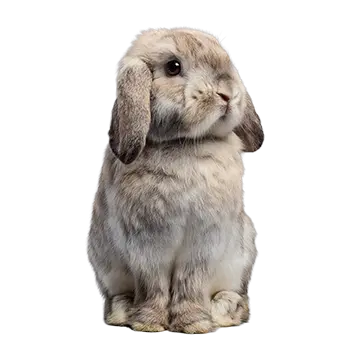

Peak Health Maintenance

The adult years of an American Fuzzy Lop, generally spanning from about one year to four or five years of age, represent the period when the rabbit is at its physical peak. During this time, the focus of care shifts from developmental concerns to maintaining the excellent health and condition the rabbit has achieved. A well-cared-for adult American Fuzzy Lop is active, alert, and engaged with its environment, with bright eyes, a clean coat, and consistent eating and elimination habits.

Establishing a daily health observation routine is one of the most effective ways to catch problems early. Each day, note your rabbit's appetite, activity level, and droppings. Healthy rabbit droppings are round, uniform, and dry, and any change in size, shape, consistency, or quantity can be an early indicator of digestive issues. Cecotropes, the soft, clustered droppings that rabbits re-ingest directly, should rarely be seen in large quantities around the enclosure. An excess of uneaten cecotropes may signal a dietary imbalance or other health concern.

Weight management is a key component of peak health maintenance. American Fuzzy Lops should maintain a steady weight within the breed standard of three to four pounds. Obesity is a common problem in pet rabbits and contributes to a wide range of health issues, including arthritis, heart disease, and an inability to perform essential self-grooming, including the ingestion of cecotropes. Weigh your rabbit monthly and adjust pellet portions accordingly, relying on unlimited hay as the foundation of the diet.

Keep a health journal or log for your rabbit that tracks weight, veterinary visits, any medications or treatments, and notable behavioral changes. This record becomes invaluable when consulting with your veterinarian about subtle changes that might otherwise be difficult to describe from memory. Patterns that emerge over months or years can reveal trends that prompt early intervention.

Nutrition at Maturity

An adult American Fuzzy Lop's diet should be built around unlimited timothy hay, which provides the fiber essential for healthy digestion and proper dental wear. Rabbit teeth grow continuously throughout life, and the grinding action required to process long-strand hay is the primary mechanism that keeps teeth at a healthy length and alignment. Without sufficient hay consumption, dental problems can develop that lead to pain, infection, and an inability to eat.

Timothy-based pellets should be offered in measured quantities appropriate for the rabbit's size, typically around one-eighth to one-quarter cup per day for a three to four pound rabbit. Pellets provide concentrated nutrition but are calorie-dense, and overfeeding pellets is one of the most common dietary mistakes rabbit owners make. Choose a plain pellet without added seeds, dried fruit, or colorful pieces, as these additives are high in sugar and fat and offer no nutritional benefit.

Fresh vegetables should make up a meaningful part of the daily diet, with a variety of leafy greens offered each day. Rotate selections from options such as romaine lettuce, cilantro, parsley, basil, dandelion greens, and bok choy. Introduce any new vegetable gradually and monitor the rabbit's response. Some rabbits have individual sensitivities to specific greens, and variety helps ensure a broad spectrum of nutrients while reducing the risk of overconsumption of any single compound.

Fresh fruit should be treated strictly as an occasional treat, offered in very small quantities no more than once or twice per week. A thumbnail-sized piece of apple, banana, or berry is sufficient. The high sugar content of fruit can disrupt the delicate balance of gut flora in rabbits and contribute to obesity if offered too generously. Fresh, clean water must be available at all times, and water dishes or bottles should be cleaned and refilled daily.

Exercise & Fitness

Adult American Fuzzy Lops remain active and playful, and they require daily exercise to maintain muscle tone, cardiovascular health, and mental well-being. A minimum of three to four hours of supervised free-roaming time outside the enclosure each day is recommended, though many owners find that their rabbits thrive with even more freedom. Some owners choose to allow their American Fuzzy Lop to free-roam in one or more rabbit-proofed rooms throughout the day, returning to the enclosure only for sleeping.

Enrichment is just as important as physical space when it comes to exercise. Provide tunnels, platforms at varying heights, digging boxes, and a rotating selection of chew toys to keep your rabbit engaged. American Fuzzy Lops are intelligent and can become bored with a static environment, leading to sedentary behavior or destructive habits. Changing the layout of the exercise area periodically or introducing new objects stimulates exploration and keeps the rabbit mentally active.

Monitor your rabbit's movement and gait during exercise for any signs of discomfort or difficulty. A rabbit that is reluctant to hop, favors one side, or sits hunched with its weight shifted forward may be experiencing pain from dental issues, sore hocks, or early joint problems. Sore hocks, or pododermatitis, are a particular concern for rabbits housed on hard or wire surfaces, and the condition can be exacerbated by excess weight or insufficient padding in the resting area.

Outdoor exercise in a secure enclosure or pen can provide beneficial exposure to natural light and fresh air, but it must be managed carefully. The enclosure must be predator-proof from above and below, the rabbit should never be left unattended outdoors, and outdoor time should be limited during extreme heat or cold. American Fuzzy Lops, with their dense wool coats, are particularly susceptible to overheating, and outdoor exercise during warm weather should be restricted to the coolest parts of the day.

Preventive Health Care

Annual veterinary checkups are the cornerstone of preventive health care for adult American Fuzzy Lops. During a wellness visit, the veterinarian will perform a thorough physical examination including dental assessment, abdominal palpation, heart and lung auscultation, and evaluation of the skin and coat. Blood work and urinalysis may be recommended periodically to establish baseline values and screen for conditions that may not yet be producing visible symptoms.

Dental health requires ongoing attention in this breed. Because rabbit teeth grow continuously, malocclusion or uneven wear can develop over time, leading to sharp points or spurs on the molars that lacerate the tongue or cheeks. Signs of dental problems include drooling, selective eating, dropping food, facial swelling, or a decrease in appetite. Regular dental checks during veterinary visits help catch these issues before they become painful or lead to secondary infections.

Parasite prevention and monitoring should be part of the routine care plan. Internal parasites such as Encephalitozoon cuniculi, coccidia, and pinworms can affect rabbits, and external parasites including fur mites, ear mites, and fleas may also be encountered. Your veterinarian can recommend appropriate screening and prevention strategies based on your rabbit's living situation and risk factors. Keeping the living environment clean and dry is one of the most effective measures against parasite infestations.

Gastrointestinal stasis, often called GI stasis, is one of the most common and serious health emergencies in adult rabbits. This condition occurs when the normal movement of the digestive tract slows or stops, leading to a dangerous buildup of gas and toxins. Signs include a sudden decrease in appetite, reduced or absent droppings, a hunched posture, and lethargy. GI stasis can be triggered by stress, dietary changes, dehydration, pain, or insufficient fiber intake, and it requires prompt veterinary treatment to resolve.

Behavioral Maturity

By the time an American Fuzzy Lop reaches full adulthood, its personality is well established, and the hormonal behavioral challenges of adolescence have typically subsided, especially in spayed or neutered rabbits. Adult American Fuzzy Lops are known for being particularly personable and interactive, often seeking out human companionship and displaying a range of expressive behaviors that make them engaging pets.

Adult rabbits communicate through a rich vocabulary of body language and vocalizations. A contented American Fuzzy Lop may binky, which involves leaping and twisting in the air, or it may flop onto its side in a display of complete relaxation and trust. Tooth purring, a soft vibration produced by gently grinding the teeth, indicates contentment during petting. Conversely, thumping, lunging, or boxing with the front paws are signs of displeasure, fear, or territorial behavior that should be addressed calmly rather than with force.

Bonded pairs or groups of rabbits will have established their social hierarchy by adulthood, and these relationships tend to be stable. However, changes in the household, illness, or the loss of a companion can disrupt established bonds and lead to behavioral changes. If a bonded partner passes away, the surviving rabbit may show signs of grief including decreased appetite, lethargy, and reduced social interaction. Providing extra attention and companionship during this period is important for the rabbit's emotional well-being.

Maintaining mental stimulation remains important throughout the adult years. Continue to offer new enrichment opportunities, rotate toys, and spend interactive time with your rabbit daily. American Fuzzy Lops that receive consistent, positive attention tend to remain social and affectionate throughout their lives, while those that are isolated or understimulated may become withdrawn or develop repetitive behaviors.

Wool Care & Grooming

The wool coat of the American Fuzzy Lop is one of its most distinctive features and one of its most demanding care requirements. Unlike the fur of short-coated rabbit breeds, the American Fuzzy Lop's wool grows continuously and must be managed regularly to prevent matting, wool block, and skin problems. Adult rabbits should be groomed at least two to three times per week, with more frequent sessions during heavy molting periods.

Matting is the most common coat problem in wool breeds. Mats form when loose wool tangles with the growing coat, creating dense clumps that pull at the skin and can harbor moisture, bacteria, and parasites. Check behind the ears, under the chin, on the belly, and around the hindquarters regularly, as these areas are most prone to matting. Small mats can be gently teased apart with your fingers or a mat splitter, while larger mats may need to be carefully cut away with blunt-tipped scissors.

Wool block is a potentially life-threatening condition that occurs when a rabbit ingests excessive amounts of loose wool during self-grooming. Unlike cats, rabbits cannot vomit, so ingested wool accumulates in the stomach and can form a dense mass that obstructs the digestive tract. Symptoms mimic those of GI stasis, including loss of appetite, reduced droppings, and lethargy. Regular grooming to remove loose wool is the most effective prevention, along with ensuring the rabbit consumes adequate fiber from hay to keep the digestive system moving.

Many American Fuzzy Lop owners choose to keep their rabbit's wool trimmed to a manageable length of about one to two inches, particularly in warmer climates or for pet rabbits not being shown. This practice, sometimes called a utility clip, dramatically reduces the time required for grooming and lowers the risk of matting and wool block. Whether you keep the coat full or trimmed, grooming sessions serve a dual purpose as bonding time and as an opportunity to examine the rabbit's skin, eyes, ears, nails, and overall condition.

Always consult a qualified professional before making any health-related decisions. This content is provided for informational reference only and should not replace professional guidance specific to your animal.