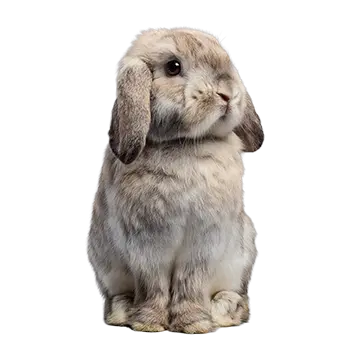

Growth & Physical Development

The juvenile period for an American Fuzzy Lop begins at weaning, around six to eight weeks of age, and extends through approximately six months. During this time, the young rabbit undergoes dramatic physical changes as it transitions from a small, dependent kit into a recognizable miniature version of its adult self. Growth is rapid in the first few months, and most American Fuzzy Lops reach close to their full adult weight of three to four pounds by the time they are five to six months old.

One of the most noticeable developments during this stage is the maturation of the wool coat. The soft, fine baby fur gradually gives way to the denser, more textured wool that defines the breed. This transition can create some grooming challenges, as the intermediate coat is particularly prone to matting. Regular, gentle grooming sessions during this period help prevent tangles and teach the young rabbit to accept handling and coat maintenance.

The hallmark lopped ears of the American Fuzzy Lop should be fully dropped by this stage, though some individuals may take a bit longer. Bone structure continues to develop and strengthen, and you may notice changes in the rabbit's proportions as the compact, rounded body type characteristic of the breed becomes more defined. The head broadens, the muzzle flattens, and the overall silhouette settles into the stocky, endearing shape that distinguishes the American Fuzzy Lop from other lop breeds.

Monitoring weight gain during the juvenile period is important to ensure healthy development without obesity. Weigh your rabbit weekly and compare the results to breed-standard growth charts if available. A rabbit that gains weight too quickly may be overfed on pellets, while one that lags behind may have underlying health issues or insufficient access to hay and fresh water.

Nutrition & Diet Transition

The transition from nursing to a fully independent diet is one of the most critical aspects of juvenile American Fuzzy Lop care. At weaning, the kit's digestive system is still developing, and abrupt dietary changes can cause serious gastrointestinal problems, including potentially fatal enteritis. Introduce solid foods gradually, beginning with unlimited timothy hay and a measured portion of high-quality alfalfa-based pellets appropriate for young rabbits.

Alfalfa hay and alfalfa-based pellets are suitable for juvenile rabbits up to approximately six to seven months of age because of their higher calcium and protein content, which supports rapid growth. After this age, transition gradually to timothy-based pellets and timothy hay to avoid excess calcium intake, which can contribute to urinary sludge and bladder stones in adult rabbits. Make any dietary transition over the course of one to two weeks, mixing the old and new feeds to give the digestive flora time to adjust.

Fresh vegetables can be introduced one at a time starting around twelve weeks of age. Begin with small amounts of leafy greens such as romaine lettuce, cilantro, or parsley, and monitor the rabbit's droppings closely for any signs of digestive upset. If the droppings remain firm and well-formed, you can gradually increase the variety and quantity of vegetables offered. Avoid high-sugar fruits and starchy vegetables during this stage, as the juvenile digestive system is particularly sensitive.

Fresh, clean water must be available at all times. Many breeders and owners find that a heavy ceramic crock is more reliable than a sipper bottle, as some rabbits do not drink enough from bottles. Monitor water intake to ensure the young rabbit is staying well-hydrated, especially during warmer weather or if the diet is primarily hay-based.

Behavioral Changes

The juvenile and adolescent period is when American Fuzzy Lops develop their individual personalities, and it can also be the most challenging phase behaviorally. As hormones begin to influence behavior around three to four months of age, you may notice increased territoriality, nipping, spraying, or mounting. These behaviors are normal expressions of sexual maturity and do not indicate a temperament problem, but they do need to be managed appropriately.

Young American Fuzzy Lops are naturally curious and energetic, and they require ample opportunities to explore and play. A bored juvenile rabbit is far more likely to develop destructive habits such as chewing baseboards, digging at carpets, or tipping over food and water dishes. Providing a variety of safe chew toys, tunnels, and platforms helps channel their energy constructively and keeps them mentally stimulated.

This is also the age when rabbits begin to establish social hierarchies if housed with other rabbits. Introductions to new companions should be done gradually and in neutral territory to minimize aggression. Even bonded pairs may experience temporary conflicts as juvenile hormones peak, so supervision during interactions is important. If aggression becomes persistent or results in injuries, separate the rabbits and consult a rabbit-experienced veterinarian or behaviorist.

Despite the hormonal challenges, the juvenile period is also when many American Fuzzy Lops become most affectionate and interactive with their owners. They may seek out attention, follow you around a room, or flop contentedly at your feet. Encouraging and reinforcing these positive behaviors with calm attention and gentle handling helps build a strong, trusting bond that will define your relationship with the rabbit for years to come.

Training Priorities

American Fuzzy Lops are intelligent and responsive, making the juvenile period an ideal time to establish key training habits. Litter training should be a top priority, as most rabbits naturally choose one or two corners for elimination and can be encouraged to use a litter box with relative ease. Place a litter box in the rabbit's preferred corner, fill it with rabbit-safe litter such as paper-based bedding, and add a handful of hay to encourage the rabbit to spend time in the box.

Handling training is especially important for this breed because of its wool coat, which requires regular grooming throughout life. Get your juvenile American Fuzzy Lop accustomed to being held, turned, and having its coat gently brushed or plucked. Practice handling the feet, ears, and belly so the rabbit learns to accept these interactions without struggling. Short, positive sessions are more effective than infrequent, lengthy ones, and ending each session with a small treat helps create positive associations.

Teaching your rabbit to come when called is another valuable skill that can be developed during the juvenile period. Use a consistent word or sound, and pair it with a favorite treat. Most American Fuzzy Lops learn to respond to their name or a specific cue within a few weeks of consistent practice. This recall ability is useful for safely retrieving the rabbit during supervised free-roaming time.

Boundary training helps protect both your rabbit and your home. When the rabbit chews on something inappropriate, redirect it firmly but gently to an approved chew toy. Consistency is key, as rabbits learn through repetition and association rather than punishment. Never yell at or physically discipline a rabbit, as this damages trust and can cause lasting fear. Positive reinforcement and patient redirection are the most effective training tools available.

Exercise & Activity

Juvenile American Fuzzy Lops are active and playful, and they need significantly more exercise than many new owners expect. A young rabbit should have a minimum of three to four hours of supervised exercise time outside its enclosure each day. This free-roaming time is essential for physical development, mental stimulation, and the prevention of obesity and muscle atrophy that can result from prolonged confinement.

Rabbit-proof any area where the juvenile will be exercising. Cover or protect electrical cords, block access to spaces behind furniture where the rabbit could become stuck, and remove houseplants that may be toxic if chewed. American Fuzzy Lops are inquisitive and will investigate everything within reach, so thorough preparation of the space prevents accidents and reduces the need for constant correction.

Provide enrichment activities during exercise time to keep the young rabbit engaged. Tunnels, cardboard boxes with entry holes cut into them, stacking cups, and untreated wooden blocks all make excellent toys for juvenile rabbits. Rotating the available toys every few days keeps the environment novel and prevents boredom. Some American Fuzzy Lops enjoy tossing lightweight objects or digging in a designated digging box filled with shredded paper.

Pay attention to the rabbit's activity level and energy patterns. Juvenile American Fuzzy Lops tend to be most active during the early morning and late evening hours, consistent with the crepuscular nature of rabbits. Scheduling exercise time during these natural activity peaks allows the rabbit to make the most of its free-roaming opportunities. If you notice a sudden decrease in activity or reluctance to move, this may indicate a health issue and warrants a veterinary evaluation.

Spay & Neuter Considerations

Spaying or neutering your American Fuzzy Lop is one of the most important decisions you will make during the juvenile period. Most rabbit-experienced veterinarians recommend the procedure at four to six months of age, depending on the individual rabbit's development and overall health. Spaying and neutering offer significant health and behavioral benefits and are strongly encouraged for any rabbit not intended for a carefully planned breeding program.

For does, spaying eliminates the risk of uterine cancer, which affects a substantial percentage of unspayed female rabbits as they age. It also prevents uterine infections, false pregnancies, and the hormonal mood swings that can make unspayed does unpredictable and sometimes aggressive. For bucks, neutering reduces or eliminates spraying, mounting, and territorial aggression, making the rabbit a more relaxed and enjoyable companion.

Choosing a veterinarian with extensive experience in rabbit surgery is critical, as rabbits have unique anesthetic requirements and physiological traits that differ significantly from dogs and cats. Discuss the specific anesthesia protocol, monitoring equipment, and post-operative care plan with your vet before scheduling the procedure. A skilled rabbit surgeon will use gas anesthesia, monitor the rabbit closely throughout the procedure, and provide effective pain management during recovery.

Post-operative care for a spayed or neutered American Fuzzy Lop includes keeping the rabbit in a clean, quiet space, monitoring the incision site for signs of infection or dehiscence, and ensuring the rabbit resumes eating and producing droppings within twelve to twenty-four hours. Most rabbits recover quickly and return to normal activity levels within a week, though you should limit jumping and vigorous exercise for ten to fourteen days as the incision heals.

Socialization & Exposure

Continued socialization during the juvenile period builds on the foundation laid during the newborn weeks and shapes the adult temperament of your American Fuzzy Lop. Expose the young rabbit to a wide range of experiences, including different people, gentle handling by visitors, various household sounds, and new environments within your home. The more positive experiences the juvenile rabbit accumulates, the more confident and adaptable it will be as an adult.

Introductions to other household pets should be conducted with extreme caution and always under direct supervision. Even well-meaning dogs and cats can injure or fatally frighten a small rabbit, and the American Fuzzy Lop's compact size makes it particularly vulnerable. If you plan to have the rabbit interact with other animals, begin with scent introductions by exchanging bedding between the animals, then progress to visual contact through a barrier before allowing any direct interaction in a controlled setting.

Handling by children should be supervised closely and guided by an adult who can model gentle, respectful interaction. American Fuzzy Lops are small and can be easily injured by being dropped or squeezed too tightly. Teach children to sit on the floor when holding the rabbit, support its hindquarters at all times, and watch for signs of stress such as thumping, struggling, or rapid breathing. Positive early experiences with children help the rabbit develop tolerance and trust.

Travel socialization is another valuable experience for juvenile rabbits that may need to visit a veterinarian, attend rabbit shows, or accompany their owners on short trips. Introduce the rabbit to a travel carrier early, placing treats and familiar bedding inside to create a positive association. Short practice trips in the car help the rabbit acclimate to the motion and sounds of travel before longer journeys become necessary. A rabbit that is calm and comfortable in a carrier is much easier and safer to transport throughout its life.

Always consult a qualified professional before making any health-related decisions. This content is provided for informational reference only and should not replace professional guidance specific to your animal.