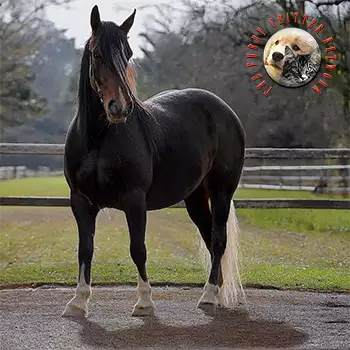

When Does Senior Begin?

Determining when an Oldenburg transitions from a mature adult to a senior horse is not as straightforward as marking a specific birthday on the calendar. While the equine industry commonly considers horses to enter the senior phase around the age of fifteen to twenty, individual variation is significant, and the onset of aging depends on genetics, lifetime care, workload history, and overall health management. Some Oldenburgs remain vigorous and competitive well into their late teens, while others may show signs of aging earlier.

The transition to senior status is best assessed through physical and functional markers rather than chronological age alone. Changes in body condition that become harder to manage with standard feeding practices, a gradual decrease in athletic performance or recovery speed, the development of stiffness after rest, and subtle shifts in coat quality or graying around the eyes and muzzle all suggest that the aging process is underway. Recognizing these early signs allows you to adapt management practices proactively rather than reactively.

Veterinary assessments take on heightened importance as the Oldenburg enters its senior years. Twice-yearly wellness examinations are recommended for horses over the age of fifteen, replacing the annual schedule sufficient for younger adults. These visits should include comprehensive blood work to screen for metabolic conditions such as equine metabolic syndrome and pituitary pars intermedia dysfunction, both of which become more prevalent with age and are more effectively managed when detected early.

Accepting that your Oldenburg is aging does not mean resigning it to a life of inactivity. Many senior warmbloods continue to thrive in lighter work, serve as schoolmasters for developing riders, or simply enjoy an active retirement with daily turnout and regular gentle exercise. The goal of senior care is to maximize comfort, maintain quality of life, and honor the partnership you have built over the years.

Mobility & Joint Health

Joint health is often the most visible concern in the aging Oldenburg, as years of athletic work and the demands of supporting a large frame take their toll on cartilage, tendons, and ligaments. Arthritis, or degenerative joint disease, is among the most common conditions affecting senior horses and can range from mild stiffness that resolves with movement to significant lameness that limits the horse's comfort and mobility.

Early signs of joint deterioration in the Oldenburg may include stiffness when first moving out of the stall, reluctance to pick up a particular lead, shortened stride length, difficulty navigating uneven terrain, or resistance to activities that were previously performed willingly. These subtle changes often develop gradually and may be dismissed as the horse simply slowing down with age, but they deserve veterinary evaluation to determine the extent of joint involvement and to develop an appropriate management plan.

Management of joint disease in the senior Oldenburg typically involves a multimodal approach. Continued light, regular exercise is often more beneficial than complete rest, as movement helps maintain joint fluid production, muscle mass, and flexibility. Your veterinarian may recommend joint supplements, systemic anti-inflammatory medications, or joint injection therapies depending on the severity of the condition. Proper footing in turnout areas and riding surfaces also plays an important role, as deep, muddy, or uneven ground increases strain on compromised joints.

Environmental modifications can significantly improve the senior Oldenburg's daily comfort. Deep, supportive bedding in the stall cushions joints during rest periods. Level, well-maintained turnout areas reduce the risk of stumbling or slipping. Ensuring that food and water are positioned at a comfortable height and that the horse does not need to navigate steep inclines or tight spaces to access essential resources removes unnecessary physical challenges from the aging horse's daily routine.

Cognitive Changes

Cognitive changes in senior horses are an area of growing veterinary awareness and research. While not as extensively documented as in companion animals like dogs, age-related cognitive decline does occur in horses and can manifest in subtle behavioral changes that attentive owners may notice over time. The Oldenburg's naturally intelligent and engaged temperament can make these shifts particularly apparent.

Early cognitive changes may include increased anxiety in previously calm horses, confusion in familiar environments, changes in social behavior within the herd, disrupted sleep patterns, or altered responses to routine handling and cues. A horse that suddenly seems lost in its own pasture, fails to recognize familiar companions, or responds inappropriately to situations it has encountered hundreds of times before may be experiencing age-related cognitive changes.

Pituitary pars intermedia dysfunction, commonly known as equine Cushing's disease, is a significant contributor to both physical and cognitive changes in senior horses. This condition affects the hormonal regulation system and can produce a wide range of symptoms including a long, curly coat that fails to shed normally, excessive drinking and urination, muscle wasting, recurrent infections, and laminitis. Diagnosis is straightforward through blood testing, and management with veterinarian-prescribed medication can significantly improve quality of life.

Maintaining mental stimulation and social interaction helps support cognitive function in the aging Oldenburg. Regular interaction with humans and herd mates, exposure to varied environments through hand walking or gentle hacking, and the continuation of familiar routines that provide structure and predictability all contribute to the senior horse's mental well-being. Abrupt changes in routine, housing, or social groups should be minimized, as aging horses may find it more difficult to adapt to new situations.

Nutrition for Aging

The nutritional needs of the senior Oldenburg shift considerably as the aging process affects digestion, dental function, and metabolic efficiency. Older horses often struggle to maintain body condition on the same diet that served them well during their adult years, and dietary adjustments are frequently necessary to prevent weight loss and ensure adequate nutrient intake.

Dental deterioration is one of the primary drivers of nutritional challenges in senior horses. As teeth wear unevenly, develop wave patterns, or are lost entirely, the horse's ability to chew and process hay and hard feeds diminishes. Signs of dental-related feeding difficulty include dropping partially chewed feed, producing long stems or hay balls that are ejected from the mouth, weight loss despite adequate feed provision, and whole grain appearing in the manure. More frequent dental care and dietary modifications to accommodate compromised chewing ability become essential.

Senior-formulated feeds are designed to be more easily digestible and to provide the enhanced vitamin and mineral levels that aging horses require. Soaking hay cubes, chopped forage, or beet pulp creates a soft, palatable feed that even horses with significant dental loss can consume comfortably. These alternatives ensure that the senior Oldenburg continues to receive the fiber essential for healthy digestive function while accommodating any limitations in chewing capacity.

Metabolic monitoring becomes increasingly important in the senior Oldenburg. Conditions such as insulin resistance and equine metabolic syndrome can develop or worsen with age, requiring careful management of sugar and starch intake. Regular blood work, body condition assessments, and close communication with your veterinarian and equine nutritionist allow for timely dietary adjustments that support the aging horse's changing metabolic needs.

Increased Veterinary Care

The senior Oldenburg's veterinary care requirements expand beyond the preventive maintenance sufficient for younger adults. Twice-yearly comprehensive examinations allow for early detection of age-related conditions and provide opportunities to adjust management strategies as the horse's needs evolve. Building a strong, ongoing relationship with your veterinarian ensures continuity of care and a thorough understanding of your individual horse's health history and trajectory.

Diagnostic screening for conditions common in aging horses should be incorporated into the senior wellness program. Blood chemistry panels can reveal early changes in liver, kidney, and thyroid function. Hormonal testing for pituitary pars intermedia dysfunction should be performed at least annually, as early intervention with this condition dramatically improves outcomes. Urinalysis, fecal testing, and other targeted diagnostics may be recommended based on your horse's specific health profile.

Dental care for the senior horse often becomes more complex and requires more frequent attention. Examinations every six months, rather than annually, help manage the progressive dental changes that accelerate with age. Tooth loss, gaps that trap feed material, and the development of sharp edges on remaining teeth all require ongoing professional management to maintain the horse's comfort and ability to eat effectively.

Vaccination and parasite management protocols may need adjustment for the senior horse. The aging immune system may respond differently to vaccines, and your veterinarian may recommend modified schedules or additional boosters. Similarly, older horses can be more susceptible to parasitic infection, making regular fecal monitoring and strategic deworming especially important for maintaining the senior Oldenburg's health and vitality.

Quality of Life Assessment

Regularly assessing the quality of life of your senior Oldenburg is one of the most important and compassionate responsibilities of horse ownership. Quality of life encompasses far more than the absence of acute illness; it includes the horse's overall comfort, ability to engage in natural behaviors, social well-being, appetite and enjoyment of food, mobility, and general contentment with daily life.

Developing a structured approach to quality of life assessment helps remove some of the subjectivity and emotional difficulty from these evaluations. Many veterinarians recommend using a simple scoring system that evaluates key indicators such as pain level, appetite, hydration, hygiene, happiness, mobility, and the balance of good days versus difficult days. Tracking these indicators over time reveals trends that may not be apparent on a day-to-day basis and provides objective data to support care decisions.

The senior Oldenburg's quality of life can often be significantly improved through relatively simple management adjustments. Providing adequate pain management for chronic conditions, ensuring comfortable footing and shelter, maintaining social connections with compatible companions, and adapting feeding practices to accommodate dental changes all contribute to a horse's daily comfort and contentment. Sometimes the most meaningful improvements come not from advanced medical interventions but from thoughtful attention to the small details of daily life.

Open, ongoing communication with your veterinarian about your Oldenburg's quality of life is essential, particularly as the horse reaches advanced age. Your veterinarian can provide an objective medical perspective that complements your intimate knowledge of your horse's personality and preferences. Together, you can make informed decisions about treatment options, management adjustments, and, when the time comes, end-of-life care that prioritizes the horse's dignity and comfort above all else.

Always consult a qualified professional before making any health-related decisions. This content is provided for informational reference only and should not replace professional guidance specific to your animal.