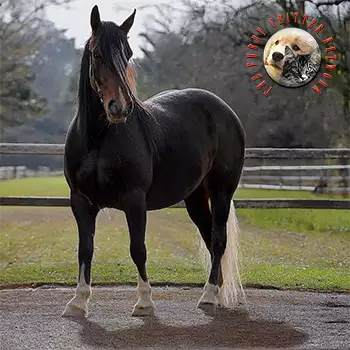

Determining whether an Oldenburg mare or stallion is ready for breeding involves far more than simply reaching a certain age. While mares are physically capable of conceiving by the age of two or three, responsible breeders typically wait until the mare is at least four years old and has reached full physical maturity before considering her for a breeding program. This patience allows the mare's skeletal system to fully develop and ensures she has the physical reserves to support a healthy pregnancy without compromising her own long-term soundness.
A thorough pre-breeding veterinary examination is essential for any mare being considered for reproduction. This evaluation should include a reproductive soundness exam with uterine culture and cytology, assessment of ovarian function via ultrasound, and a general health screening that includes blood work and body condition evaluation. Mares with a history of reproductive difficulties, metabolic conditions, or conformational issues that could be passed to offspring should be carefully evaluated before proceeding.
Stallion selection is a critical decision in Oldenburg breeding and should be guided by a thorough understanding of breed standards, the mare's strengths and weaknesses, and the goals of the breeding program. The Oldenburg Verband and its affiliated registries maintain rigorous stallion approval processes that evaluate conformation, movement, temperament, and performance potential. Selecting an approved stallion whose qualities complement those of the mare gives the resulting foal the best opportunity for success.
Financial preparedness is an often-overlooked aspect of breeding readiness. The costs associated with stallion fees, veterinary care throughout the breeding and pregnancy process, potential complications, foaling management, and the subsequent care and development of the young horse are substantial. A realistic budget that accounts for both expected expenses and potential emergencies should be established before breeding decisions are made.