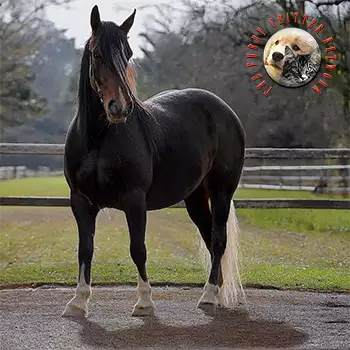

Recognizing the Signs

Recognizing when an Oldenburg is approaching the end of its life requires both honest observation and a willingness to see what may be difficult to accept. The signs of terminal decline in a horse can develop gradually over weeks or months, or they may appear relatively suddenly in the case of acute illness or catastrophic injury. In either scenario, understanding what to look for helps you make timely, compassionate decisions on behalf of your horse.

Chronic, progressive weight loss despite adequate nutrition and dental care is one of the most common indicators that the aging Oldenburg's body systems are failing. When a horse can no longer maintain body condition regardless of dietary adjustments, the underlying cause may be organ dysfunction, advanced metabolic disease, malabsorption, or widespread systemic decline that cannot be reversed. A veterinary evaluation can help determine whether the weight loss has a treatable cause or represents an irreversible process.

Mobility deterioration that significantly impacts the horse's daily comfort and ability to perform basic functions is another important indicator. An Oldenburg that struggles to rise from lying down, can no longer walk comfortably to food and water, or spends increasing amounts of time standing in one place due to pain is experiencing a diminished quality of life that may not be remediable. Chronic, unmanageable pain from severe arthritis, laminitis, or other conditions reaches a point where available treatments no longer provide meaningful relief.

Behavioral withdrawal, loss of interest in food and companions, dull or distant expression, and the absence of the curiosity and engagement that once characterized your Oldenburg's personality are deeply meaningful signs. Horses are social, interactive animals, and when they retreat from the world around them, it often reflects a level of discomfort or systemic decline that cannot be adequately addressed. These behavioral changes, taken together with physical indicators, paint a picture that deserves careful, honest interpretation.

Palliative & Hospice Care

Palliative care for the Oldenburg focuses on maximizing comfort and quality of life during the final phase rather than pursuing curative treatment for conditions that cannot be resolved. This approach requires a partnership between you and your veterinarian, with open communication about realistic expectations, available comfort measures, and clear benchmarks for reassessing the horse's well-being.

Pain management is the cornerstone of equine palliative care. Your veterinarian can develop a pain control protocol tailored to your Oldenburg's specific conditions, which may include anti-inflammatory medications, joint support therapies, and environmental modifications that reduce physical stress. The goal is to maintain a level of comfort that allows the horse to engage in the activities it enjoys, whether that means gentle walking, grazing, or simply standing comfortably in the sunshine with companions.

Environmental comfort measures become especially important during hospice care. Deep, supportive bedding helps cushion arthritic joints and makes rising easier. Shelter from harsh weather, access to food and water without the need to travel long distances or compete with other horses, and protection from insects all contribute to daily comfort. If the horse is still able to enjoy turnout, a small, flat paddock close to the barn reduces the physical demands of the horse's daily routine.

Establishing clear quality of life criteria with your veterinarian at the beginning of the palliative care period provides an objective framework for ongoing assessment. These criteria might include the horse's ability to rise unassisted, its interest in food, its comfort level as assessed through pain scoring, and the ratio of comfortable days to difficult ones. Regular reassessment against these benchmarks helps ensure that the decision to continue or transition to end-of-life care is guided by the horse's actual experience rather than by hope alone.

The Decision

The decision to euthanize a beloved Oldenburg is one of the most difficult choices a horse owner will ever face. There is no formula that makes this decision easy, and the weight of responsibility can feel overwhelming. However, the ability to prevent unnecessary suffering through humane euthanasia is ultimately a profound gift that we can offer our horses, and approaching this decision with thoughtfulness and guidance helps ensure that it is made at the right time for the right reasons.

Consulting with your veterinarian is an essential step in the decision-making process. Your veterinarian can provide an objective medical assessment of your horse's condition, prognosis, and the effectiveness of current comfort measures. They can help you distinguish between a bad day within a generally acceptable quality of life and a persistent decline that indicates the horse's suffering exceeds what can be managed. This professional perspective complements your intimate knowledge of your horse's personality, preferences, and normal behavior.

Many experienced horse owners and veterinarians advise that it is better to make the decision a day too early than a day too late. This guidance reflects the understanding that prolonging life beyond the point of meaningful comfort serves the owner's emotional needs rather than the horse's well-being. While no one wants to make this decision prematurely, the alternative of waiting until the horse is in acute distress creates unnecessary suffering and often results in an emergency situation that is more traumatic for everyone involved.

Giving yourself permission to grieve the anticipatory loss while your horse is still alive is a natural part of this process. Spending quiet time with your Oldenburg, reflecting on the years you have shared, and allowing yourself to acknowledge the approaching loss can help you move toward the decision with greater peace. Some owners find it helpful to plan a special final day that includes the horse's favorite activities, treats, and time spent in its preferred surroundings.

The Process

Understanding what happens during equine euthanasia helps reduce fear and anxiety about the process and allows you to be fully present for your horse during its final moments. Veterinary euthanasia is designed to be quick, painless, and peaceful, and knowing what to expect removes much of the uncertainty that can make the experience more difficult than it needs to be.

The procedure typically begins with the administration of a heavy sedative that causes the horse to become deeply relaxed and unaware of its surroundings. This sedation takes effect within minutes and ensures that the horse is calm and free from anxiety before the final step. Once the horse is fully sedated, the veterinarian administers an overdose of a barbiturate anesthetic, which causes rapid loss of consciousness followed by cardiac arrest. The transition from deep sedation to death is swift and painless.

You may choose to be present during the procedure or to say your goodbyes beforehand and step away. There is no right or wrong choice, and your decision should be based on what feels most appropriate for you and your relationship with your horse. If you choose to be present, your veterinarian will explain what you will see, including the possibility of involuntary muscle movements or gasping reflexes after death, which are neurological responses and not signs of consciousness or distress.

The location of euthanasia should be considered in advance. Many owners prefer to have the procedure performed in a familiar, comfortable setting such as the horse's own pasture or paddock. Practical considerations, including access for aftercare removal and the proximity of other horses that may be distressed by the event, should also factor into the decision. Your veterinarian can help you identify the most appropriate location based on your specific circumstances.

Aftercare Options

Planning for the care of your Oldenburg's remains after euthanasia is a practical necessity that is best addressed before the emotional intensity of the actual event. The options available vary by region and are influenced by local regulations, available services, and personal preferences. Discussing aftercare options with your veterinarian in advance ensures that arrangements are in place and that you are not faced with difficult logistical decisions during a time of grief.

Burial on your own property is permitted in some areas and provides the comfort of knowing that your horse remains on familiar ground. However, local regulations regarding depth of burial, proximity to water sources, and property size requirements must be researched and followed. The practical challenges of excavating a grave large enough for a horse also require advance planning and access to appropriate equipment.

Cremation is an increasingly available option for horses, though it requires facilities equipped to handle large animals. Some cremation services offer individual cremation with return of ashes, while others provide communal cremation. If the return of your horse's ashes is important to you, confirm that the service you choose offers verified individual cremation. The ashes can be kept in an urn, scattered in a meaningful location, or incorporated into memorial items.

Rendering and composting are additional aftercare options that may be available depending on your location. While these choices may feel less personal, they are environmentally responsible methods of handling remains and may be the most practical option in some situations. Your veterinarian or local agricultural extension office can provide information about the services and regulations specific to your area.

Grief & Healing

The loss of an Oldenburg that has been a partner, companion, and part of your daily life for years or even decades is a profound grief that deserves recognition and respect. The bond between horse and human is unique in its depth and physicality, built through years of shared effort, trust, and quiet moments. Grieving this loss is not a sign of weakness but a reflection of the significance of the relationship you shared.

Grief after the loss of a horse manifests differently for each individual and may include sadness, guilt, anger, numbness, difficulty concentrating, changes in appetite or sleep patterns, and a sense of emptiness in the daily routine that was once structured around the horse's care. These responses are normal and expected, and there is no timeline for their resolution. Allow yourself to grieve at your own pace without judgment or expectation.

Finding support from others who understand the depth of the human-horse bond can be immensely helpful during the grieving process. Fellow horse owners, barn friends, online equine communities, and pet loss support groups provide spaces where your grief is understood and validated. Professional counselors who specialize in pet loss can also offer valuable guidance, particularly if the grief feels overwhelming or is interfering with daily functioning over an extended period.

Honoring your Oldenburg's memory can be a meaningful part of the healing process. Creating a memorial in a favorite riding area, planting a tree where the horse loved to graze, compiling photographs and memories into an album, or making a donation to an equine rescue or breed organization in the horse's name are all ways to celebrate the life you shared. These acts of remembrance acknowledge that while the horse is gone, the impact it had on your life endures and deserves to be cherished.

Always consult a qualified professional before making any health-related decisions. This content is provided for informational reference only and should not replace professional guidance specific to your animal.