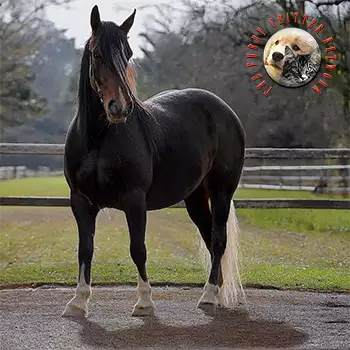

Growth & Physical Development

The Oldenburg is a large warmblood breed, and its juvenile growth period is both impressive and prolonged. From weaning at approximately five to seven months through the age of three or four, the young Oldenburg undergoes dramatic physical changes. Growth occurs in uneven spurts, with the hindquarters often growing faster than the front end, creating a temporarily unbalanced appearance that is entirely normal for the breed.

By their first birthday, most Oldenburg youngsters have already reached a significant portion of their adult height, though they will continue to fill out and develop muscle mass for several more years. The long bones of the legs reach near-adult length relatively early, but the growth plates in these bones remain open and vulnerable to injury well into the second and even third year of life. This biological reality must inform every decision about exercise intensity and the timing of formal training.

Regular farrier care becomes increasingly important during the juvenile period. The young Oldenburg's hooves grow rapidly and require trimming every six to eight weeks to maintain proper balance and alignment. Any angular limb deformities that were not addressed during the foal stage should be monitored closely, as corrective trimming during this growth phase can still yield significant improvement. Your farrier and veterinarian should work together to develop a hoof care plan tailored to your young horse's specific needs.

Body condition scoring should be performed regularly throughout the juvenile period. Oldenburgs that grow too quickly are at increased risk for developmental orthopedic disease, including osteochondrosis and physitis. Maintaining a moderate, steady growth rate through careful nutritional management produces a sounder, healthier horse in the long term than pushing for maximum growth speed.

Nutrition & Diet Transition

The transition from mare's milk to an independent diet is one of the most significant nutritional shifts in the young Oldenburg's life. Weaning typically occurs between five and seven months of age, and the process should be managed gradually to minimize both physical and psychological stress. In the weeks leading up to weaning, the foal should already be consuming a quality foal feed and good hay, ensuring that the nutritional transition is smooth.

Post-weaning nutrition for the Oldenburg must support steady growth without promoting excessive weight gain or rapid skeletal development. A diet built around high-quality forage, supplemented with a feed formulated specifically for growing horses, provides the balanced nutrition these young warmbloods require. The calcium-to-phosphorus ratio is particularly important during this stage and should be maintained at approximately two to one to support proper bone development.

As the young Oldenburg matures through its yearling and two-year-old years, nutritional needs shift gradually. The protein requirements that are high during the weanling phase decrease somewhat as growth slows, while energy needs may increase depending on the horse's activity level and turnout situation. Regular body condition assessments help guide feeding adjustments, and any changes to the diet should be made gradually over a period of one to two weeks to avoid digestive upset.

Access to clean, fresh water at all times is essential, and a free-choice mineral supplement or salt block should be available to ensure that micronutrient needs are met. Pasture can provide excellent nutrition for growing Oldenburgs, but the quality and quantity of available forage varies by season and region. Work with an equine nutritionist or your veterinarian to develop a feeding program that accounts for the specific conditions in your area and the individual needs of your young horse.

Behavioral Changes

The juvenile Oldenburg undergoes significant behavioral development as it transitions from a dependent foal to an increasingly independent young horse. Around weaning time, separation anxiety is common and expected. The young horse may call out for its dam, pace fence lines, or show signs of stress. These behaviors typically resolve within a few days to a week, especially if the weanling has companions and a stable routine to provide security.

As the Oldenburg enters its yearling year, confidence and curiosity grow alongside physical stature. Young horses of this breed tend to be bold and investigative, testing boundaries with both human handlers and herd mates. This is a natural part of equine adolescence and should be met with calm, consistent handling rather than harsh correction. Oldenburgs are known for their sensitivity and intelligence, and overly punitive responses during this impressionable period can create lasting behavioral issues.

Two-year-old and three-year-old Oldenburgs often go through phases that mirror human adolescence. They may become temporarily less cooperative, test established boundaries, or develop new fears or sensitivities seemingly overnight. Hormonal changes contribute to these shifts, particularly in colts that may begin displaying stallion-like behaviors such as increased vocalization, posturing, and heightened interest in mares. Understanding that these behaviors are developmentally normal helps handlers respond appropriately.

Social dynamics within a group of young horses provide invaluable lessons that shape the Oldenburg's adult behavior. Play fighting, establishing hierarchy, sharing resources, and navigating group interactions all contribute to a socially well-adjusted adult horse. Youngsters raised in isolation miss these formative experiences and may struggle with social situations later in life, potentially complicating group turnout, competition environments, and training relationships.

Training Foundations

The juvenile period is the ideal time to establish the groundwork training that will serve the Oldenburg throughout its career. This does not mean riding or intensive physical work, which should wait until the horse's skeletal system is mature enough to bear weight safely. Instead, the focus should be on building trust, teaching ground manners, and introducing the young horse to the concepts and equipment it will encounter as a riding horse.

Basic ground manners form the cornerstone of all future training. The young Oldenburg should learn to lead quietly, stand for grooming and farrier work, yield its hindquarters and shoulders to pressure, and accept handling of all parts of its body. These skills are best taught through short, frequent sessions that keep the horse's attention and end on a positive note. Oldenburgs respond exceptionally well to reward-based training methods that leverage their natural desire to please.

Longeing and ground driving can be gradually introduced as the Oldenburg approaches the age of two or three, depending on its physical and mental readiness. These exercises begin building the topline musculature and balance that will support the horse under saddle while teaching voice commands, rhythm, and responsiveness to aids. Sessions should be brief and conducted on appropriate footing to protect developing joints and soft tissues.

Exposure to a wide variety of stimuli during this period pays enormous dividends later. Loading onto a trailer, standing tied, encountering tarps, water crossings, and other environmental challenges are all skills that are most easily taught when the horse is young and naturally curious. Each new experience handled positively adds to the Oldenburg's confidence bank, producing a more willing and adaptable partner when formal training begins.

Exercise & Activity

The young Oldenburg's exercise needs are best met through ample turnout rather than structured work programs. Free movement in a safe pasture allows the juvenile horse to self-regulate its activity level, building bone density, cardiovascular fitness, and coordination through natural movement patterns like walking, trotting, cantering, and playing with companions. This unstructured exercise is far more beneficial to developing bodies than repetitive, forced work.

The open growth plates in the young Oldenburg's legs are vulnerable to concussive injury and excessive stress. Hard surfaces, tight circles, jumping, and carrying a rider's weight all place demands on the skeletal system that immature joints may not be equipped to handle. While it can be tempting to begin more advanced work with a physically large and seemingly mature youngster, patience during this stage protects the horse's long-term soundness and career longevity.

As the Oldenburg approaches three years of age, light structured exercise can be carefully introduced in consultation with your veterinarian. Walking and trotting on the longe line or in hand, working over ground poles, and gentle hill work all help develop strength and coordination without placing undue stress on growing bones and joints. The duration and intensity of these sessions should be increased very gradually, with the horse's comfort and willingness as primary guides.

Monitoring the young horse for any signs of lameness, stiffness, or reluctance to move is critical during this period. Swelling in the joints, heat in the limbs, or changes in gait pattern should prompt immediate rest and veterinary evaluation. Catching orthopedic problems early and adjusting the exercise program accordingly can prevent minor issues from becoming career-limiting injuries.

Gelding Considerations

The decision of whether and when to geld a young Oldenburg colt is one of the most consequential choices a horse owner will make during the juvenile period. The vast majority of male Oldenburgs that are not destined for approved breeding programs are gelded, and this procedure offers significant benefits for both the horse's manageability and its quality of life as a sport or pleasure horse.

Timing of gelding is a matter of some debate among horsemen and veterinarians. Many professionals recommend gelding between six months and two years of age, before stallion behaviors become deeply ingrained. Early gelding tends to result in a slightly taller, more refined horse, as the growth plates remain open longer without the influence of testosterone. Later gelding may produce a horse with more muscular development and a heavier neck, though these differences are modest.

The procedure itself is routine and is typically performed under sedation and local anesthesia, either standing or with the horse recumbent. Recovery is generally straightforward, with most young horses returning to normal turnout within a few days. Fly season should be avoided for scheduling the procedure, and the recovery area should be clean and dry to minimize infection risk. Your veterinarian will provide specific aftercare instructions, which typically include monitoring for swelling, encouraging gentle movement, and watching for signs of complications.

If you are considering keeping your Oldenburg colt intact for potential breeding, the decision should be made carefully and in consultation with breed registry representatives and experienced breeders. The Oldenburg breed maintains rigorous approval standards for stallions, and only colts with exceptional conformation, movement, and temperament should be considered as breeding candidates. Keeping a stallion requires specialized facilities, handling expertise, and a commitment to responsible breeding practices.

Socialization & Exposure

Continued socialization during the juvenile period builds upon the foundation established during the foal's earliest weeks and months. The young Oldenburg's brain remains highly plastic during this stage, making it an ideal time to broaden the horse's experience base and reinforce the calm, confident temperament that is a hallmark of the breed.

Group turnout with compatible companions remains the single most important socialization tool available. Young Oldenburgs learn vital communication skills, conflict resolution, and herd dynamics through daily interaction with other horses. Ideally, the juvenile should have access to a mixed group that includes horses of various ages, as older horses provide valuable mentorship and help teach appropriate social behavior to younger herd members.

Systematic exposure to the sights, sounds, and situations the Oldenburg will encounter as an adult should continue throughout the juvenile years. Veterinary and farrier visits, trailer loading and short trips, grooming and bathing, clipping, and the presence of dogs, farm equipment, and other animals all contribute to a well-rounded young horse. Each positive experience reinforces the Oldenburg's inherent confidence, while negative experiences during this sensitive period can create lasting fears that are difficult to overcome.

If the Oldenburg is destined for a career in sport, early exposure to competition environments can be tremendously beneficial. Taking the young horse to shows as a spectator, walking it around warm-up arenas, and allowing it to observe the activity and commotion of an event setting without the pressure of performance helps build familiarity and comfort. Many breed shows and young horse evaluations offer in-hand classes specifically designed to introduce juveniles to the show environment in a low-stress context.

Always consult a qualified professional before making any health-related decisions. This content is provided for informational reference only and should not replace professional guidance specific to your animal.