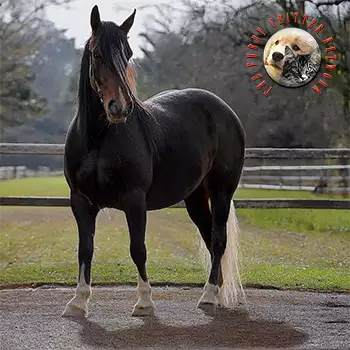

The adult Oldenburg reaches its physical prime between approximately five and fifteen years of age, a period when the horse's skeletal system is fully mature, muscular development is at its peak, and the benefits of proper juvenile care are fully realized. Maintaining this level of health requires a proactive and consistent approach to management that addresses the specific needs of a large warmblood breed.
Annual veterinary wellness examinations form the backbone of preventive care for the adult Oldenburg. These visits should include a thorough physical examination, dental evaluation, vaccination updates, and discussion of any changes in the horse's behavior, performance, or physical condition. Blood work performed periodically can detect metabolic or organ function changes before clinical signs appear, allowing for early intervention.
Parasite management should follow a strategic approach guided by fecal egg count testing rather than routine calendar-based deworming. This targeted method reduces unnecessary chemical exposure, slows the development of drug-resistant parasite populations, and ensures that treatment is administered only when needed. Your veterinarian can help establish a monitoring schedule and determine appropriate treatment protocols based on your horse's individual parasite burden and your farm's management practices.
Daily observation remains one of the most powerful health maintenance tools available to any horse owner. Knowing your Oldenburg's normal resting heart rate, respiratory rate, temperature, appetite, drinking habits, manure consistency, and overall demeanor allows you to detect subtle changes early. A horse that is slightly off its feed, drinking more or less than usual, or showing even mild changes in attitude may be signaling the early stages of a health concern that warrants investigation.