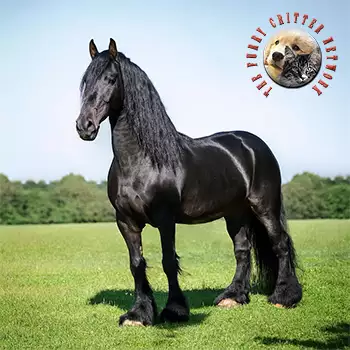

Defining the onset of senior status in a Friesian is not as straightforward as choosing an arbitrary age, because individual horses age at different rates depending on genetics, lifetime care, workload history, and overall health. However, most equine veterinarians and breed experts consider Friesians to enter the senior phase somewhere between 15 and 18 years of age. This is somewhat earlier than many lighter breeds, reflecting the Friesian's comparatively shorter average lifespan of 16 to 20 years and the breed's predisposition to certain age-accelerating health conditions.
The transition from mature adult to senior is usually gradual rather than sudden. Early signs may include a slight loss of topline muscle, a longer recovery time after strenuous exercise, increased stiffness when first moving after rest, or subtle changes in coat quality such as the appearance of white hairs around the eyes and muzzle. These changes are normal hallmarks of aging and do not necessarily indicate disease, but they do signal that the horse's management needs are beginning to shift.
Establishing a comprehensive baseline health assessment as the Friesian enters its mid-teens provides invaluable reference data for tracking age-related changes over time. This assessment should include a thorough physical examination, bloodwork including a complete metabolic panel, dental evaluation, and a lameness assessment. Comparing future test results against this baseline allows veterinarians to detect subtle trends that might otherwise go unnoticed until they become clinically significant.
Recognizing and responding to the onset of aging with appropriate management adjustments is an act of respect for the years of partnership the horse has provided. The goal of senior care is not to halt the aging process, which is impossible, but to support the horse's comfort, dignity, and quality of life as its needs evolve. A well-managed senior Friesian can remain active, engaged, and contented for many years beyond the technical onset of old age.