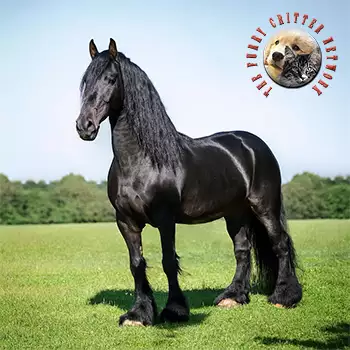

Peak Health Maintenance

The adult Friesian, typically reaching full physical maturity between five and seven years of age, enters a period of peak health and athletic capability that can extend well into the mid-teens with proper care. Maintaining this health requires a proactive, comprehensive approach that addresses every aspect of the horse's physical well-being. Annual veterinary wellness examinations serve as the cornerstone of preventive care, providing an opportunity to catch subtle changes before they develop into significant problems.

Vaccination protocols should be maintained on a consistent schedule in consultation with your veterinarian. Core vaccines recommended for all horses regardless of region typically include protection against tetanus, eastern and western encephalomyelitis, West Nile virus, and rabies. Additional risk-based vaccines may be appropriate depending on your geographic location, travel schedule, and the horse's exposure to other horses at shows, clinics, or boarding facilities. Keeping vaccination records current is also a practical necessity for travel and competition.

Parasite management in the adult Friesian should follow a targeted deworming approach based on fecal egg count testing rather than a rotational calendar schedule. Regular fecal testing identifies the horse's individual parasite burden and allows treatment to be directed only when necessary, reducing the development of drug-resistant parasite populations. Most adult horses in good health carry a low parasite burden and may require deworming only two to three times per year, though horses in high-density pasture situations may need more frequent monitoring.

Friesians are predisposed to certain breed-specific health concerns that warrant particular attention during the adult years. Equine polysaccharide storage myopathy, a metabolic muscle condition, has been identified in the breed and is managed through dietary adjustments and consistent exercise. Skin conditions, particularly pastern dermatitis affecting the feathered lower legs, are common and require diligent grooming and moisture management. Awareness of these breed tendencies allows owners to implement preventive strategies and seek early veterinary intervention when needed.

Nutrition at Maturity

Feeding the adult Friesian requires a balanced approach that accounts for the breed's tendency toward easy weight gain while meeting the nutritional demands of its workload. High-quality forage should constitute the majority of the diet, with most adult Friesians thriving on 1.5 to 2 percent of their body weight in hay or pasture per day. Grass hay or a grass-dominant mixed hay is generally preferable to pure alfalfa for adult Friesians, as the higher caloric density and protein content of alfalfa can contribute to unwanted weight gain in a breed that is already metabolically efficient.

Concentrate feeds should be selected based on the horse's actual workload and body condition rather than assumptions about what a horse of its size should eat. A lightly worked Friesian may need only a ration balancer, which provides essential vitamins and minerals without significant calories, rather than a full grain ration. Horses in moderate to heavy work, such as regular dressage training, driving, or competition, will require additional energy from a quality performance feed. Adjustments should be made gradually and in response to observed changes in body condition, coat quality, and energy levels.

The Friesian's susceptibility to metabolic conditions makes sugar and starch management an important dietary consideration. Feeds with lower nonstructural carbohydrate content are generally safer choices for the breed, and pasture access may need to be managed carefully during periods of lush spring growth when grass sugar content peaks. Strip grazing, use of a grazing muzzle, or limiting turnout during high-sugar hours can help prevent the overconsumption of rich pasture that can trigger metabolic upset or laminitis in susceptible individuals.

Adequate hydration and electrolyte balance are often overlooked aspects of adult horse nutrition. A mature Friesian at rest drinks approximately eight to twelve gallons of water per day, with requirements increasing significantly during hot weather, heavy exercise, or lactation. Providing clean, fresh water at all times and offering free-choice salt ensures that the horse can self-regulate its fluid and mineral intake. Horses that travel, compete, or undergo strenuous training may benefit from electrolyte supplementation during periods of heavy sweating.

Exercise & Fitness

The adult Friesian is a versatile athlete capable of excelling in dressage, carriage driving, trail riding, and a growing number of other disciplines. Designing an appropriate fitness program requires understanding the breed's physical characteristics, including its substantial bone, powerful hindquarters, and naturally elevated movement. Friesians are built for collection and engagement rather than speed, and their training programs should reflect this biomechanical reality.

A well-structured weekly exercise routine for a working Friesian typically includes a mix of flatwork, conditioning rides, and recovery days. Dressage-focused training builds the engagement, suppleness, and balance that complement the Friesian's natural carriage, while trail rides provide mental refreshment and develop the horse's confidence and sure-footedness in varied terrain. Driving work, whether in a single or pair configuration, is a traditional and highly rewarding discipline for the breed and provides excellent cardiovascular conditioning.

Warm-up and cool-down periods are particularly important for the Friesian due to its substantial muscle mass. Beginning each session with 10 to 15 minutes of walking on a loose rein allows muscles, tendons, and joints to prepare for more demanding work. Similarly, ending each session with a gradual cool-down period that includes stretching at the walk prevents stiffness and supports recovery. Monitoring the horse's respiratory recovery rate after exertion provides a useful indicator of cardiovascular fitness and helps gauge whether the current workload is appropriate.

Rest and recovery are as important as active training. Friesians that are worked every day without adequate rest are at increased risk of physical burnout, repetitive strain injuries, and mental staleness. Building at least one to two full rest days into the weekly schedule, ideally with turnout for free movement, allows the body to repair and adapt to the demands of training. Seasonal variation in workload also benefits the horse, with lighter work during extreme weather and increased intensity during temperate months.

Preventive Health Care

Preventive health care for the adult Friesian extends beyond vaccinations and deworming to encompass regular dental care, hoof maintenance, and ongoing monitoring of the horse's musculoskeletal health. Equine dental examinations should be performed at least annually, with many veterinarians recommending biannual checks for horses in regular work. Sharp enamel points, hooks, and wave formations in the teeth can cause pain, difficulty chewing, resistance to the bit, and weight loss if left unaddressed.

Hoof care is a lifelong commitment that demands particular attention in the Friesian. The breed's heavy feathering can obscure developing problems, making regular cleaning and inspection of the hooves and lower legs essential. A competent farrier who understands the breed's specific hoof conformation should trim or shoe the horse every six to eight weeks. Friesians often have upright, boxy hooves with thick walls, and maintaining proper balance and breakover is critical for long-term soundness. Some working Friesians benefit from shoeing, while others perform well barefoot depending on their individual hoof quality and workload.

Musculoskeletal health monitoring should be an ongoing priority, particularly for Friesians in regular athletic work. Baseline lameness evaluations, periodic flexion tests, and attention to any changes in gait or willingness to work can detect early signs of joint wear, soft tissue injury, or neurological issues. The breed has a recognized susceptibility to certain musculoskeletal conditions, and early detection allows for conservative management strategies that preserve soundness.

Skin and coat health require dedicated attention in the Friesian. The breed's abundant mane, tail, and feathering are defining characteristics but also require regular grooming to prevent matting, moisture trapping, and the development of dermatitis. The skin beneath the feathering on the lower legs is particularly vulnerable to bacterial and fungal infections, especially in wet or muddy conditions. Keeping the feathering clean and dry, applying barrier products during wet seasons, and clipping when medically necessary are all reasonable management strategies.

Behavioral Maturity

The adult Friesian that has been well raised and thoughtfully trained is typically a calm, reliable, and deeply bonded partner. Behavioral maturity in the breed generally solidifies between five and seven years of age, when the hormonal fluctuations of adolescence have settled and the horse has accumulated enough experience to approach new situations with confidence rather than anxiety. The mature Friesian's temperament is one of the breed's greatest assets, combining intelligence, sensitivity, and a genuine desire to cooperate with its handler.

Maintaining behavioral wellness in the adult Friesian requires consistent, fair management and an environment that meets the horse's social and psychological needs. Horses are herd animals, and the Friesian is no exception. Isolation, prolonged stall confinement, and lack of social interaction with other horses can lead to the development of stereotypic behaviors such as weaving, cribbing, or stall walking. These behaviors are indicators of stress and boredom, not character flaws, and they are best addressed by modifying the horse's environment rather than attempting to suppress the behavior through physical restraints.

The adult Friesian's intelligence can be both an asset and a challenge. These horses learn quickly, which means they absorb good training rapidly but can also learn undesirable behaviors with equal speed. Consistency in handling across all people who interact with the horse prevents confusion and the exploitation of inconsistent boundaries. If behavioral issues do emerge, they are almost always rooted in pain, confusion, or unmet needs rather than willful disobedience, and a systematic approach to identifying the underlying cause is always more productive than escalating correction.

The bond between a Friesian and its primary handler often deepens significantly during the adult years as the relationship matures from a training dynamic into a genuine partnership. Many Friesian owners describe their horses as uniquely attuned to human emotion and responsive to subtle cues that go beyond formal training. Nurturing this bond through varied activities, positive interactions, and time spent together beyond the demands of riding or driving enriches the experience of horse ownership immeasurably.

Dental & Grooming

Dental care is a critical and sometimes underappreciated component of adult Friesian health management. A horse's teeth continue to erupt throughout its life, and the grinding surfaces develop sharp edges, hooks, and irregularities that can cause significant discomfort if not addressed through regular floating. An equine dentist or veterinarian equipped with a power float and a full-mouth speculum should examine the horse at least once per year, with more frequent checks for horses that show signs of difficulty chewing, dropping feed, head tilting, or resistance to bit contact.

The Friesian's signature grooming needs set it apart from most other breeds. The long, thick mane and tail require regular detangling to prevent matting, which can become severe enough to necessitate cutting if neglected. Many Friesian owners prefer to detangle with their fingers or a wide-toothed comb and a quality detangling spray rather than a brush, as brushing can break hair and thin the mane and tail over time. The mane is traditionally left unbraided and flowing, and maintaining its health and fullness is a point of pride among Friesian enthusiasts.

Feathering care is both an aesthetic and a health concern. The long hair on the lower legs traps moisture, mud, and debris against the skin, creating an environment that is conducive to bacterial and fungal infections collectively known as pastern dermatitis or scratches. Prevention involves regular washing and thorough drying of the feathering, application of barrier creams or powders during wet conditions, and prompt treatment of any redness, scabbing, or swelling. In severe or chronic cases, veterinary guidance may recommend trimming the feathering to allow better air circulation and access for topical treatments.

Bathing the full body should be done judiciously, as excessive bathing strips natural oils from the coat and can dry the skin. When a full bath is warranted, use a gentle equine shampoo and rinse thoroughly to prevent residue buildup. Between baths, regular currying and brushing stimulate circulation, distribute natural oils, and provide an opportunity to inspect the entire body for lumps, cuts, swelling, or areas of sensitivity. The daily grooming routine is also a bonding ritual that many Friesians visibly enjoy, leaning into the curry comb and lowering their heads in relaxation.

Always consult a qualified professional before making any health-related decisions. This content is provided for informational reference only and should not replace professional guidance specific to your animal.