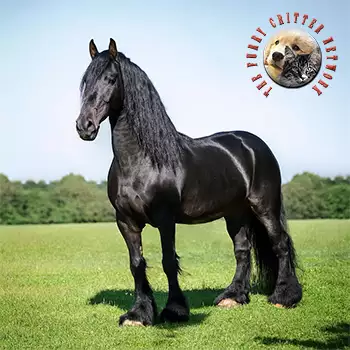

The arrival of a Friesian foal is a dramatic and rewarding event that demands close attention from the very first moments. A healthy Friesian foal should stand within one to two hours of birth and begin searching for the mare's udder shortly after. Observing these early milestones is critical because any significant delay can indicate complications that require immediate veterinary intervention. The foal's umbilical stump should be treated with a gentle antiseptic solution to prevent bacterial infection, and the mare should be allowed to bond with her foal without unnecessary interruption.
Friesian foals are born with long, gangly legs and a soft, often wavy coat that will eventually develop into the breed's signature sleek black coloring. During the first hours, it is essential to confirm that the foal passes its first meconium, which is the dark, sticky stool accumulated during gestation. Failure to pass meconium can lead to dangerous impaction, and an enema may be necessary if the foal shows signs of straining without producing results. Monitoring the mare for proper expulsion of the placenta is equally important, as retained placenta in horses is a veterinary emergency.
The environment should be clean, dry, and free of drafts. A deeply bedded stall with straw rather than shavings is ideal, as shavings can cling to the moist umbilical stump and create an infection risk. Keep the lighting soft and the area quiet to minimize stress on both mare and foal. Temperature regulation is important during this window, particularly for foals born in cooler months, as Friesians are often bred in climates where spring nights can still be quite cold.
Have your veterinarian's emergency contact information readily accessible before the expected foaling date. A well-prepared foaling kit should include clean towels, antiseptic for the navel, a fleet enema, and a thermometer. Taking the foal's temperature within the first few hours establishes a baseline and helps detect early signs of infection. A normal rectal temperature for a newborn foal falls between 99 and 101.5 degrees Fahrenheit.