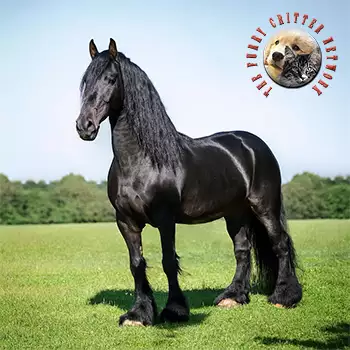

Recognizing when a Friesian is approaching the end of its life requires a willingness to observe honestly and to distinguish between conditions that can be managed and those that have progressed beyond meaningful treatment. The signs of terminal decline in a horse are often gradual, and owners who see their horse every day may not notice the slow erosion of vitality that is immediately apparent to someone who visits less frequently. Seeking the observations of a trusted friend, trainer, or veterinarian who knows the horse but sees it less often can provide valuable perspective.
Chronic, unmanageable pain is one of the clearest indicators that a horse's quality of life has deteriorated beyond what compassionate care can restore. In the Friesian, this pain most commonly stems from severe arthritis, laminitis, or progressive neurological conditions that compromise mobility and comfort. A horse that is consistently reluctant to move, that shifts weight restlessly when standing, that can no longer lie down and rise without distress, or that has lost interest in eating and social interaction is communicating its discomfort in the clearest language it has.
Weight loss that does not respond to dietary adjustment and veterinary intervention is another significant indicator of declining health. A senior Friesian that continues to lose body condition despite adequate nutrition, dental care, and parasite management may be experiencing organ dysfunction, cancer, or systemic disease that has progressed beyond the body's ability to compensate. The loss of the topline, the prominence of the spine and hip bones, and a dull, staring coat are visible signs that the horse's body is consuming its own reserves.
Behavioral withdrawal is perhaps the most poignant sign of terminal decline. A Friesian that once greeted its owner at the gate, engaged enthusiastically with herd mates, and showed curiosity about its surroundings may become listless, isolated, and disengaged. While depression can have treatable causes, persistent withdrawal that does not improve with environmental or medical intervention suggests that the horse has entered a phase of life where comfort and dignity should be the primary focus of care.