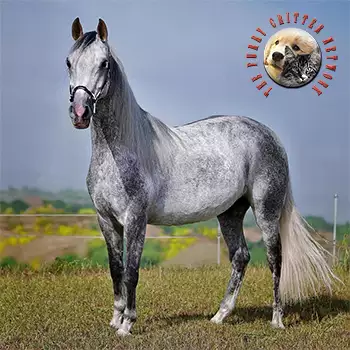

When Does Senior Begin?

Determining when an Arabian transitions from mature adult to senior is not as simple as marking a birthday on the calendar. Arabians are widely recognized as one of the longest-lived horse breeds, and many individuals remain vigorous and active well into their twenties. As a general guideline, most equine professionals consider horses to enter the senior category around the age of eighteen to twenty, but the Arabian's remarkable longevity means that some individuals show few signs of aging at ages that would be considered geriatric in other breeds.

The onset of aging is best measured by physiological markers rather than chronological age. Subtle changes in muscle tone, particularly a loss of topline along the back and hindquarters, are often among the first visible indicators. The horse may begin to recover more slowly from strenuous exercise, take longer to warm up at the start of work, or show mild stiffness after periods of standing. These changes can be so gradual that they go unnoticed unless the owner is specifically watching for them.

Dental wear is another reliable marker of the aging process. Horses' teeth erupt continuously throughout life, and by the senior years, the reserve crown that feeds new tooth surface becomes increasingly depleted. Teeth may become shorter, develop gaps, or begin to loosen and fall out. These dental changes have direct implications for the horse's ability to process forage and maintain body condition, making dental monitoring especially important in the senior Arabian.

It is worth noting that the transition to senior status does not mean the end of the horse's useful or enjoyable life. Many Arabians continue to be ridden, shown, and enjoyed well into their twenties with appropriate management adjustments. The key is recognizing the shift and adapting care, workload, and expectations to match the horse's changing capabilities rather than demanding the same performance from a twenty-two-year-old that was expected at twelve.

Mobility & Joint Health

Joint stiffness and reduced flexibility are among the most common challenges facing the senior Arabian. Years of athletic use, even at moderate levels, take a cumulative toll on joint cartilage, synovial fluid quality, and surrounding soft tissues. Arthritis, or degenerative joint disease, is a progressive condition that cannot be reversed but can be managed effectively to maintain the horse's comfort and mobility for years.

Early signs of joint discomfort in the senior Arabian may include reluctance to pick up a particular lead, shortened stride length, difficulty navigating uneven terrain, or stiffness that improves with gentle movement after the horse has been standing. These symptoms may be intermittent at first, appearing more prominently in cold or damp weather or after periods of inactivity. Recognizing these early signals allows for intervention before the condition progresses to the point of significant pain or limitation.

Management strategies for senior joint health encompass a combination of appropriate exercise, environmental modifications, and veterinary support. Consistent light exercise is generally preferable to alternating periods of inactivity and strenuous work, as regular movement helps maintain joint fluid production, muscle strength, and flexibility. Soft, level footing in turnout areas reduces concussive stress on aging joints, and access to shelter allows the horse to escape cold and wet conditions that often exacerbate stiffness.

Your veterinarian can recommend a joint support protocol tailored to the individual horse's needs. Options may include oral supplements containing glucosamine and chondroitin, injectable joint therapies, and anti-inflammatory medications for periods of increased discomfort. The goal is to maintain the horse's comfort and mobility at a level that supports a good quality of life, whether that means continued light riding, gentle turnout with companions, or comfortable retirement.

Cognitive Changes

Cognitive decline in senior horses is an area of growing research and recognition within the veterinary community. While horses do not develop conditions identical to human dementia, age-related changes in brain function can manifest as altered behavior, confusion, and changes in established routines. The senior Arabian, known throughout its life for intelligence and alertness, may show subtle cognitive shifts that attentive owners can detect.

Behavioral changes that may indicate cognitive aging include increased anxiety or restlessness, altered sleep patterns, disorientation in familiar environments, changes in social behavior with herd mates, and decreased responsiveness to familiar cues or commands. A horse that has always been confident in its home environment but begins to seem confused or anxious in routine situations may be experiencing age-related cognitive changes rather than developing a behavioral problem.

Maintaining mental stimulation is believed to support cognitive function in aging horses, much as it does in other species. Continued social interaction with compatible herd mates provides environmental enrichment that passive stall rest cannot. Gentle handling sessions, grooming routines, and low-key interactions with trusted humans maintain the bonds and mental engagement that the Arabian breed thrives on throughout life.

If cognitive changes become pronounced or sudden in onset, a veterinary evaluation is warranted to rule out underlying medical conditions that can mimic cognitive decline. Pain, metabolic imbalances, liver dysfunction, and even vision or hearing loss can produce behavioral changes that may be mistakenly attributed to cognitive aging. Identifying and treating any underlying medical cause can significantly improve the horse's comfort and behavior.

Nutrition for Aging

The nutritional needs of the senior Arabian shift in ways that require thoughtful adjustment to the feeding program. As dental efficiency declines, the horse's ability to grind long-stem hay into the small particles necessary for proper digestion may be compromised. A senior horse that drops wads of partially chewed hay, produces long fiber in its manure, or begins losing weight despite adequate feed intake may be struggling to process its forage effectively.

For horses with significant dental limitations, soaked hay cubes, chopped hay products, or complete senior feeds that can be moistened into a mash offer alternatives that deliver the fiber and nutrition the horse needs in a form it can manage. Beet pulp, soaked thoroughly before feeding, is another excellent fiber source that is easy to chew and highly digestible. The transition to these alternative feeds should be gradual to allow the digestive system to adapt.

Protein requirements may increase slightly in the senior horse as the body becomes less efficient at maintaining muscle mass. Feeds with higher quality protein sources that provide essential amino acids, particularly lysine and threonine, support muscle maintenance and repair. However, increasing protein must be balanced against the horse's overall caloric intake, especially for easy-keeping Arabians that remain prone to weight gain even in their senior years.

Metabolic conditions, including equine metabolic syndrome and pituitary pars intermedia dysfunction, become more prevalent in aging horses. These conditions affect how the body processes sugars and starches and can increase the risk of laminitis. Senior Arabians should be monitored for signs of metabolic dysfunction, including abnormal fat deposits, increased thirst and urination, delayed shedding, and recurrent laminitis. Dietary management of these conditions typically involves restricting non-structural carbohydrates and carefully managing pasture access.

Increased Veterinary Care

The senior Arabian benefits from more frequent veterinary monitoring than its younger counterpart. Semi-annual wellness examinations allow for closer tracking of age-related changes and earlier detection of emerging health issues. These visits should include comprehensive physical examinations, dental assessments, and bloodwork panels that evaluate organ function, metabolic markers, and endocrine status.

Pituitary pars intermedia dysfunction, commonly known as equine Cushing's disease, is among the most common endocrine conditions affecting senior horses. Clinical signs include a long, curly coat that fails to shed normally, muscle wasting, increased susceptibility to infections, and laminitis. Diagnosis is confirmed through blood testing, and the condition can be managed effectively with daily medication that improves quality of life significantly for affected horses. Early diagnosis and treatment lead to better outcomes.

Dental care in the senior Arabian often requires more frequent and specialized attention. As teeth wear down and gaps develop, the risk of periodontal disease, tooth root abscesses, and painful sharp edges increases. Some senior horses eventually lose enough teeth that they can no longer process hay at all, necessitating a complete dietary overhaul. Regular dental evaluations, ideally every six months for horses with known dental issues, help manage these changes proactively.

Eye health becomes increasingly important with age, as conditions such as cataracts, uveitis, and decreased night vision can affect the senior horse's comfort and safety. Changes in the horse's behavior, such as reluctance to enter dark areas, increased spookiness, or bumping into objects, may indicate declining vision. Regular ophthalmic examinations and prompt attention to any signs of ocular discomfort help preserve vision and quality of life for as long as possible.

Quality of Life Assessment

Assessing quality of life in the senior Arabian is an ongoing process that requires honest observation, veterinary input, and a willingness to adapt management as the horse's needs change. Quality of life is a multidimensional concept that encompasses physical comfort, mental well-being, social engagement, and the ability to perform the natural behaviors that are important to the horse as an individual.

Physical comfort indicators include the horse's willingness and ability to move freely, lie down and rise without excessive difficulty, maintain adequate body condition, and remain free from unmanaged pain. A horse that spends excessive time standing in one position, shows reluctance to move or interact, loses interest in food, or displays signs of chronic discomfort may be telling you that its quality of life is declining despite your best management efforts.

Social and environmental engagement provides another window into the senior horse's well-being. An Arabian that continues to show interest in its surroundings, interacts with herd mates, comes to the fence to greet its owner, and displays the characteristic breed curiosity about new stimuli is demonstrating positive quality of life indicators. Withdrawal from social interaction, apathy toward the environment, and loss of the spark that defines the Arabian personality can signal that the horse's emotional well-being is diminishing.

Maintaining a quality of life journal or checklist can help track subtle changes over time that might be difficult to detect day to day. Recording observations about appetite, mobility, social behavior, pain indicators, and overall demeanor on a regular basis creates an objective record that supports more informed decision-making as the horse ages. This record also serves as a valuable communication tool when consulting with your veterinarian about the horse's evolving care needs and prognosis.

Always consult a qualified professional before making any health-related decisions. This content is provided for informational reference only and should not replace professional guidance specific to your animal.