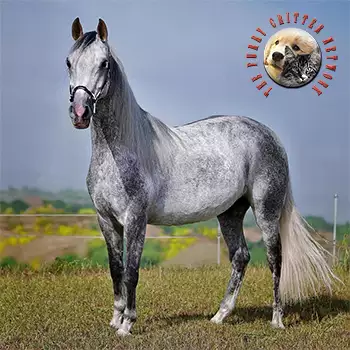

Growth & Physical Development

The Arabian horse undergoes dramatic physical transformation between weaning and maturity. By six months of age, the foal has already reached a significant portion of its adult height, and by the first birthday, most Arabians stand close to their full height at the withers. However, true skeletal maturity in horses does not occur until around five to six years of age, and the growth plates in the legs and spine continue to close gradually throughout the juvenile period. This is a critical consideration when planning the timeline for training and riding.

Arabians are a lighter-framed breed compared to warmbloods and draft types, and their growth pattern reflects this. They tend to grow in spurts rather than at a steady pace, and it is common for a young Arabian to appear temporarily unbalanced as different parts of the body grow at different rates. A yearling that looks high in the hip one month may level out a few weeks later. These growth asymmetries are normal and should not cause alarm unless accompanied by lameness or apparent discomfort.

Monitoring body condition during the juvenile phase is important for long-term soundness. Overfeeding young Arabians to achieve a show-ring appearance can lead to developmental orthopedic disease, including physitis and osteochondrosis. These conditions affect the growing bones and joints and can cause lifelong lameness if not managed properly. Maintaining a lean, healthy body condition with steady rather than rapid growth is the safest approach for skeletal development.

Regular hoof care should begin early and continue on a consistent schedule throughout the juvenile period. The young horse's hooves grow rapidly and can develop imbalances that affect limb alignment if neglected. A skilled farrier working in concert with your veterinarian can address minor conformational issues through corrective trimming during this formative stage when the bones and joints are still developing.

Nutrition & Diet Transition

The transition from mare's milk to solid feed is one of the most important nutritional shifts in a young Arabian's life. Weaning typically occurs between four and six months of age, and the foal should already be consuming hay and a small amount of concentrate feed before weaning to ease the dietary transition. Abrupt changes in diet can disrupt the hindgut microbiome and lead to colic or diarrhea, so a gradual approach is always preferred.

A juvenile Arabian's diet should be built on a foundation of high-quality forage. Good grass hay or a grass-legume mix provides the fiber necessary for healthy digestive function and satisfies the horse's natural need to chew and graze for extended periods. Alfalfa can be included as a portion of the forage ration for growing horses due to its higher protein and calcium content, but it should not be the sole forage source as excessive calcium and protein can contribute to developmental issues.

Concentrate feeds formulated specifically for growing horses provide the balanced vitamins, minerals, and energy that forage alone may not supply. Look for feeds designed for young equines that contain appropriate ratios of calcium to phosphorus and include trace minerals such as copper and zinc, which play essential roles in cartilage and bone development. Feed amounts should be adjusted based on the individual horse's body condition, growth rate, and activity level rather than following a one-size-fits-all approach.

Fresh, clean water must be available at all times. Young horses that are active and growing have higher hydration needs than many owners realize, particularly during warm weather or when consuming predominantly dry hay. Salt should also be provided either as a free-choice block or as a daily supplement to encourage adequate water intake and maintain electrolyte balance.

Behavioral Changes

The juvenile period brings significant behavioral shifts as the young Arabian develops independence, tests boundaries, and begins to establish its place in the social hierarchy. Weaning is often the first major behavioral challenge, as the foal transitions from the security of the mare's side to increasing self-reliance. Arabians can be particularly vocal and demonstrative during weaning, but most settle within a few days to a week when managed with patience and appropriate companionship.

As the young Arabian enters its yearling and two-year-old years, you may observe increasing assertiveness, playfulness, and occasionally challenging behavior. Colts in particular may begin to exhibit stallion-like behaviors including mounting, nipping, and posturing. These behaviors are driven by rising hormone levels and should be managed with consistent, fair handling rather than harsh correction. Understanding that these behaviors are developmentally normal helps maintain perspective during what can be a trying phase.

Arabians are exceptionally intelligent horses, and this intelligence is both a gift and a challenge during the juvenile stage. A bored young Arabian with excess energy and insufficient mental stimulation can develop vices such as weaving, cribbing, or fence walking. Providing turnout time with compatible herd mates, varied environments, and regular positive human interaction helps channel the breed's natural curiosity and energy in constructive directions.

Social development during this period is crucial for the horse's long-term behavioral health. Young Arabians that are raised in isolation from other horses often develop poor social skills that make them difficult to manage in group settings later in life. Herd living teaches the young horse essential communication skills, respect for personal space, and the give-and-take of equine social dynamics that no amount of human interaction can replicate.

Training Foundations

Groundwork training for the young Arabian should begin well before the horse is old enough to carry a rider. Basic skills such as leading, tying, standing for the farrier, and accepting grooming can be introduced gradually during the weanling and yearling years. Arabians are quick learners and respond best to training methods that emphasize partnership and clear communication rather than force or intimidation.

The Arabian's intelligence means the horse will learn bad habits just as quickly as good ones. Training sessions should be short, focused, and always end on a positive note. A fifteen-minute session that accomplishes one clear objective is far more productive than an hour-long drill that leaves both horse and handler frustrated. Variety in training keeps the Arabian engaged and prevents the mental shutdown that can occur when this breed becomes bored with repetitive exercises.

The question of when to begin under-saddle training is one that should be answered by the individual horse's physical and mental readiness rather than by arbitrary age guidelines. While some breeds are routinely started under saddle at two years of age, many Arabian owners and trainers prefer to wait until the horse is three or even four years old. This allows additional time for skeletal maturity and mental development, which can pay dividends in the horse's long-term soundness and willingness to work.

Desensitization to common stimuli is an ongoing process throughout the juvenile years. Introduce the young Arabian to tarps, flags, clippers, trailers, and other objects or situations it will encounter as an adult horse. The breed's naturally reactive temperament can be channeled into healthy curiosity rather than fearful flight when exposure is handled gradually and with positive reinforcement. Each successful new experience builds the young horse's confidence and trust in its handler.

Professional help from a trainer experienced with Arabians can be invaluable during this formative period. A skilled trainer understands the breed's unique combination of sensitivity, intelligence, and energy, and can help establish a training foundation that sets the horse up for success in whatever discipline it will eventually pursue.

Exercise & Activity

Free-choice turnout is the most valuable form of exercise for a growing Arabian. Access to pasture or a large paddock where the young horse can move freely, play with companions, and develop natural fitness provides benefits that no structured exercise program can match. The varied terrain, self-regulated pace, and constant low-level movement of turnout promote healthy bone density, joint development, and cardiovascular fitness without the risks associated with forced exercise on immature bodies.

Structured exercise for juvenile Arabians should be age-appropriate and mindful of the horse's developing musculoskeletal system. Lunging, for example, places significant stress on the joints due to the continuous circular motion, and should be used sparingly and at moderate speeds with young horses. Hand walking, ponying alongside a calm older horse, and trail exposure on varied footing are better options for building fitness and experience without overloading growing bones and joints.

Arabians are bred for endurance, and even young horses of this breed can display impressive stamina. However, this natural endurance can mask fatigue and strain in a juvenile horse that is being asked to do too much too soon. Owners and trainers should be conservative in their exercise expectations for horses under three years of age and should watch for subtle signs of overwork including stiffness after exercise, reluctance to move out, or heat and swelling in the joints.

Mental exercise is equally important for the young Arabian. Enrichment activities such as obstacle courses at liberty, exposure to new environments, and interactive ground training exercises engage the horse's mind and help burn off excess energy that might otherwise manifest as undesirable behavior. The Arabian thrives when its intelligence is respected and engaged, and a well-exercised mind contributes to a calmer, more focused young horse.

Gelding Considerations

The decision of whether and when to geld a young Arabian colt is one that involves considerations of health, behavior, and intended use. Most colts that are not destined for breeding are gelded between six months and two years of age. Earlier gelding tends to result in a taller, more refined horse due to the delayed closure of growth plates that occurs in the absence of testosterone, while later gelding may preserve more masculine characteristics and muscular development.

From a behavioral standpoint, gelding typically results in a calmer, more manageable horse that is easier to keep in group settings and safer for less experienced handlers. Stallion-like behaviors such as aggression toward other horses, mounting, and territorial marking diminish significantly after gelding, though horses that are gelded later in life after these behaviors have become established may retain some of them to a lesser degree.

The gelding procedure itself is routine and generally performed under standing sedation or short general anesthesia. Recovery is typically straightforward, with most young horses returning to normal activity within a few days. Post-operative care includes monitoring the surgical site for excessive swelling or discharge, providing a clean environment, and encouraging gentle movement to promote drainage and prevent complications.

For owners considering breeding, the decision to keep a colt intact should be weighed carefully against the horse's conformation, temperament, and genetic contribution to the breed. Not every well-bred Arabian colt is an appropriate breeding prospect, and the responsibilities of stallion ownership, including specialized handling, separate housing, and liability considerations, are substantial. Consulting with experienced Arabian breeders and a veterinarian can help inform this important decision.

Socialization & Exposure

The juvenile years represent a critical window for socializing the young Arabian to the wide range of experiences it will encounter throughout its life. Horses that are systematically exposed to diverse environments, sounds, objects, and situations during this developmental stage tend to be more confident and adaptable adults. The Arabian's natural sensitivity makes thoughtful socialization especially important, as negative experiences during this period can create deep-seated fears that are difficult to overcome later.

Trailer loading and hauling should be introduced well before the horse needs to travel for any specific purpose. Allow the young Arabian to explore the trailer at its own pace, rewarding calm behavior with treats and praise. Short practice trips help the horse learn to balance and relax during travel. A horse that is first loaded under pressure for a veterinary emergency or a show deadline is far more likely to develop lasting anxiety about trailering than one that has been patiently prepared.

Exposure to different environments beyond the home farm broadens the young Arabian's worldview and builds resilience. Visits to other properties, trail rides in new locations, and attendance at shows or events as a spectator rather than a competitor allow the horse to process novel stimuli in a low-pressure context. Each successful outing adds to the horse's reservoir of confidence and adaptability.

Interaction with a variety of people is another important component of socialization. A young horse that is handled exclusively by one person may become overly dependent on that individual and anxious when handled by others. Involving trusted family members, barn staff, and experienced friends in the horse's routine handling helps create a well-rounded animal that is comfortable and cooperative with different handlers. Always ensure that anyone interacting with the young horse follows consistent handling protocols to avoid confusing mixed signals.

Always consult a qualified professional before making any health-related decisions. This content is provided for informational reference only and should not replace professional guidance specific to your animal.