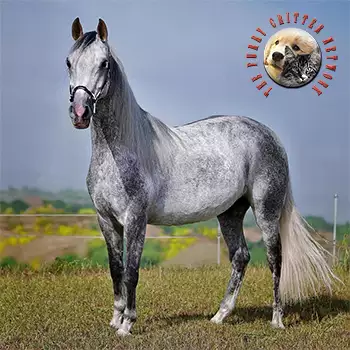

Recognizing the Signs

Recognizing when an Arabian horse is approaching the end of its life requires honest observation and a willingness to see what the heart may not want to acknowledge. The breed's renowned toughness and stoic nature can mask declining health, making it all the more important for owners to look beyond the surface and assess the horse's true condition. Changes that develop gradually over weeks or months are often harder to recognize than sudden episodes, yet these slow declines are frequently the more telling indicators.

Weight loss that does not respond to dietary adjustments is one of the most common signs of terminal decline. When a senior Arabian continues to lose body condition despite increased feed, dental correction, and veterinary treatment, the body may simply be losing its ability to process and absorb nutrition effectively. Muscle wasting, particularly along the topline and hindquarters, gives the horse a gaunt, angular appearance that becomes increasingly difficult to reverse.

Mobility deterioration is another significant marker. A horse that struggles to rise after lying down, moves with obvious pain despite appropriate medication, or becomes unable to navigate its environment safely is communicating through its body what words cannot express. The Arabian that once moved with fluid grace and elastic energy may now stand with its weight shifted to relieve pressure on painful joints, take short, shuffling steps, or resist movement altogether.

Behavioral withdrawal often accompanies physical decline. An Arabian that has always been engaged, curious, and responsive to its owner may become listless, disinterested in food, and disconnected from its herd mates. The brightness in the eye that defines the breed may dim. These changes in personality and engagement, when persistent and progressive, are among the most telling signs that the horse's quality of life is diminishing beyond what management can restore.

Palliative & Hospice Care

Palliative care for the aging or terminally ill Arabian focuses on maximizing comfort and quality of life rather than pursuing curative treatment. This shift in approach is not a surrender but a compassionate redirection of resources toward what matters most to the horse: freedom from pain, access to companions, and the dignity of comfortable daily existence. Working with your veterinarian to develop a palliative care plan ensures that the horse's needs are met thoughtfully and effectively.

Pain management is the cornerstone of equine palliative care. Your veterinarian can prescribe anti-inflammatory medications, analgesics, and other therapies tailored to the horse's specific sources of discomfort. The goal is to find the minimum effective intervention that allows the horse to move, eat, and rest without significant pain. Regular reassessment is essential, as pain levels and medication effectiveness can change over time and dosages may need adjustment.

Environmental modifications can significantly improve the comfort of a horse in palliative care. Deep, cushioned bedding in a well-ventilated stall provides relief for aching joints and makes lying down and rising easier. Level, soft footing in turnout areas reduces the physical effort of movement. Shelter from extreme weather, both hot and cold, becomes more important as the aging body loses its ability to regulate temperature efficiently. Small changes in the horse's living environment can have an outsized impact on daily comfort.

Emotional and social needs should not be overlooked in the palliative care plan. The Arabian breed's deep attachment to its human caregivers and equine companions means that isolation and loneliness can cause genuine distress. Whenever possible, maintain the horse's access to trusted herd mates and continue the grooming, handling, and quiet time that reinforce the bond you share. The value of simply being present with your horse during this period cannot be overstated.

The Decision

The decision to euthanize a beloved Arabian is among the most difficult choices a horse owner will ever face. There is no formula, no algorithm, and no single moment that makes the decision clear for everyone. It is a deeply personal judgment that weighs the horse's comfort against the owner's hope, the veterinarian's medical assessment against the emotional reality of letting go, and the desire for more time against the responsibility to prevent suffering.

Many owners find it helpful to establish quality of life criteria in advance, during a time when emotion is not overwhelming reason. Working with your veterinarian to identify specific markers, such as the ability to rise unassisted, maintain adequate body condition, move without severe pain, or engage with the environment, creates a framework for evaluating the horse's condition as it changes. When a majority of these markers can no longer be met despite appropriate medical intervention, the decision becomes clearer, though never easy.

The timing of euthanasia is a source of tremendous anguish for many owners. The fear of acting too soon, before the horse has truly exhausted its capacity for comfort, battles against the fear of waiting too long and allowing unnecessary suffering. Experienced veterinarians and equine professionals often counsel that it is better to be a week early than a day late. A horse that is euthanized while it still has some comfort and dignity is spared the final, painful decline that can haunt an owner who waited beyond the point of peaceful release.

Seeking support during this decision-making process is not a sign of weakness but of wisdom. Your veterinarian, trusted friends who have walked this path, and equine grief support resources can all provide perspective, validation, and comfort. The depth of your anguish is a measure of the depth of your bond with this horse, and that bond deserves to be honored with a decision made from love rather than delayed by fear.

The Process

Understanding what happens during equine euthanasia can help reduce the anxiety and uncertainty that surround this difficult event. When performed by a licensed veterinarian, euthanasia is a humane, rapid, and painless process. The most common method involves the intravenous injection of a barbiturate overdose, which causes the horse to lose consciousness within seconds, followed quickly by cessation of cardiac and respiratory function.

Many veterinarians will administer a sedative before the euthanasia agent to calm the horse and ease it into a relaxed state. This preliminary sedation is especially helpful for horses that are anxious or in significant discomfort, as it allows the final moments to be peaceful rather than stressful. The sedated horse typically lowers its head, relaxes its body, and may appear drowsy before the euthanasia solution is administered.

Owners should be prepared for certain physical responses that can occur after death. Involuntary muscle movements, gasping, and the release of bodily fluids are normal post-mortem reflexes that do not indicate consciousness or suffering. Your veterinarian can explain what to expect so that these natural occurrences do not add to the emotional distress of the moment. Many owners choose to be present during euthanasia, finding comfort in being the last familiar presence their horse knows, while others prefer to say goodbye beforehand and allow the veterinarian to proceed privately.

The location of euthanasia should be considered in advance. Many owners prefer to have the procedure performed at home, in a familiar paddock or stall where the horse feels safe. This can also simplify aftercare logistics. Discuss location options and any practical considerations, such as access for removal equipment, with your veterinarian before the scheduled date.

Aftercare Options

Aftercare decisions for an equine companion are practical matters that benefit from advance planning, as the emotional intensity of the moment can make rational decision-making difficult. Several options are available, and understanding each one ahead of time allows the owner to choose the arrangement that feels most appropriate for their circumstances, values, and relationship with the horse.

Burial on private property is an option in many rural areas, though local regulations regarding equine burial vary significantly by jurisdiction. Depth requirements, distance from water sources, and soil composition all factor into whether on-site burial is feasible and legal. The practical reality of burying a horse also involves heavy equipment, and arrangements with an excavation service should be made in advance. For many owners, having their horse laid to rest on the property where it lived provides a lasting sense of connection and closure.

Cremation services for horses have become more widely available in recent years. Individual cremation, in which the horse is cremated alone and the ashes returned to the owner, offers a way to keep a physical remembrance. Communal cremation, in which multiple animals are cremated together without ash return, is a less costly alternative. Equine cremation facilities can often coordinate directly with the veterinarian and provide transport services to simplify the logistics during an already difficult time.

Rendering and landfill disposal are additional options that, while less emotionally appealing, are practical and environmentally responsible choices in regions where burial and cremation are not available or affordable. Your veterinarian can provide guidance on the aftercare options available in your area and help coordinate the logistics. Whatever option you choose, making these arrangements before the day of euthanasia removes a significant source of stress from an already overwhelming experience.

Grief & Healing

The loss of an Arabian horse leaves a void that non-horse people may struggle to comprehend. The bond between a horse and its owner is built over years of daily care, shared experiences, and a mutual trust that transcends the boundary between species. The Arabian breed's particular talent for forging deep emotional connections with humans means that the grief following loss can be profound, disorienting, and physically exhausting. These feelings are entirely normal and deserve to be honored rather than minimized.

Grief does not follow a predictable timeline or a neat sequence of stages. You may experience waves of sadness interspersed with periods of relative calm. Certain triggers, such as the sound of a whinny, the sight of the empty stall, or the routine of morning feeding without your horse to greet you, can provoke intense emotional responses weeks or months after the loss. These reactions are not setbacks in your healing but natural expressions of a love that does not simply evaporate because the physical presence is gone.

Other animals on the property may also show signs of grief following the loss of a companion. Herd mates that were closely bonded with the deceased horse may call, pace, refuse feed, or display anxiety in the days following the loss. Allowing surviving horses to see and investigate the body of the deceased animal, when practical, can help them process the departure of their companion. Providing extra attention, maintaining routines, and offering compatible companionship to grieving herd mates supports their emotional recovery.

Seeking support from others who understand the depth of the human-horse bond can be tremendously helpful during the grieving process. Equine grief support groups, both in person and online, provide spaces where the significance of your loss is understood and validated. Many veterinary colleges and equine organizations offer pet loss support services staffed by counselors who specialize in animal bereavement. Allow yourself the time and space to grieve fully, and know that the pain you feel is a testament to the extraordinary relationship you shared with your Arabian.

Always consult a qualified professional before making any health-related decisions. This content is provided for informational reference only and should not replace professional guidance specific to your animal.