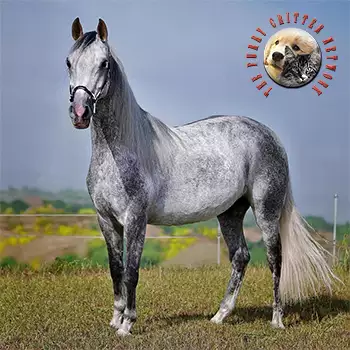

The adult Arabian, typically considered fully mature between five and six years of age, enters a period of peak physical capability that can last well into the mid-teens with proper care. This breed is celebrated for its hardiness and longevity, but these qualities are best preserved through consistent, proactive health management rather than reactive treatment of problems as they arise. Establishing a strong partnership with an equine veterinarian who understands the breed's unique characteristics is the cornerstone of effective health maintenance.
Annual wellness examinations should be comprehensive and include a thorough physical assessment, dental evaluation, and updated bloodwork to establish baseline values for organ function. These baselines become invaluable reference points as the horse ages, allowing early detection of subtle changes in kidney, liver, or metabolic function before clinical symptoms appear. Arabians are predisposed to certain metabolic conditions, and regular monitoring helps identify emerging trends that warrant closer attention.
Vaccination protocols should be maintained on schedule according to your veterinarian's recommendations and the disease risks prevalent in your geographic area. Core vaccines protect against diseases that are widespread, potentially fatal, or transmissible to humans. Risk-based vaccines may be added depending on the horse's travel schedule, exposure to other horses, and regional disease prevalence. Keeping vaccination records current is also a practical requirement for travel and competition.
Parasite management in the adult Arabian should follow a targeted approach based on fecal egg counts rather than rotational deworming calendars that were once standard practice. Research has shown that indiscriminate deworming contributes to drug-resistant parasite populations, making strategic treatment based on individual parasite burden far more effective and sustainable. Your veterinarian can help design a monitoring and treatment plan appropriate for your horse's living situation and parasite exposure level.