
When Does Senior Begin?

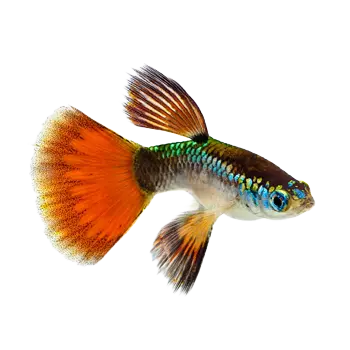
Guppies have a relatively short lifespan compared to many other aquarium fish, typically living between two and three years under good conditions. The senior phase generally begins around eighteen months to two years of age, though the exact onset varies depending on genetics, care quality, and environmental factors. Fish that have been kept at consistently higher temperatures tend to age faster due to their accelerated metabolism, while those maintained at the cooler end of their comfortable range may remain vigorous somewhat longer.

The transition from adult to senior is gradual rather than sudden. You may notice that a once-vibrant male begins to lose some intensity in his coloration, or that a previously active female spends more time resting among plants. Swimming speed decreases, and the fish may no longer respond to feeding with the same enthusiasm. These changes are natural and do not necessarily indicate illness — they are simply the signs of a fish entering the final chapter of its life.

It is important to distinguish between normal aging and treatable health problems. A senior guppy that gradually slows down over weeks or months is likely experiencing natural senescence. A guppy of any age that suddenly becomes lethargic, loses color rapidly, or stops eating entirely may be suffering from a disease or environmental stressor that requires intervention. When in doubt, test your water parameters and observe the fish closely before concluding that changes are age-related.

Understanding that guppies are short-lived fish helps set appropriate expectations. Even with perfect care, guppies will not live for five or ten years. Providing the best possible care during their senior months is about maximizing comfort and quality of life, not extending lifespan indefinitely. This perspective allows you to focus on what you can control — a clean, stable environment and compassionate attention — rather than searching for ways to reverse the natural aging process.

Mobility & Physical Decline

Senior guppies experience a noticeable decline in physical capability. Swimming becomes less vigorous, and older fish often prefer to rest near the bottom of the tank or among dense plant cover rather than actively patrolling the full water column. Males may lose some of the graceful fin extension that characterized their prime, with tails drooping or becoming ragged as the tissue regenerates more slowly with age. These physical changes are normal but require adjustments to the tank environment.

Water current should be reduced for tanks housing senior guppies. A strong current that was manageable for a vigorous adult can exhaust an aging fish and contribute to chronic stress. Lower the filter output, add baffles, or switch to a gentler filtration system. Creating calm zones in the tank where senior fish can rest without fighting the current is essential for their comfort and energy conservation.

Provide easy access to food by ensuring that feeding takes place in calm areas of the tank and that food reaches the levels where senior fish prefer to spend their time. Sinking pellets or foods that remain suspended in the water column may be more accessible than floating flakes for fish that no longer swim to the surface as readily. If a senior guppy is struggling to compete with younger, faster tankmates for food, consider feeding the tank in multiple locations simultaneously or offering the senior fish food directly using a feeding pipette.

Spinal curvature, commonly known as a bent spine, sometimes develops in aging guppies. This condition can be caused by a combination of genetic predisposition, calcium deficiency, and the general breakdown of connective tissues with age. While there is no cure for age-related spinal curvature, maintaining proper water hardness and mineral content throughout the guppy's life can help delay its onset. A guppy with a bent spine can still live comfortably as long as it is able to eat and navigate the tank without distress.

Immune System & Disease Susceptibility

The aging immune system is one of the most significant challenges facing senior guppies. As fish age, their ability to fight off infections declines, making them more susceptible to diseases that a healthy adult would easily resist. Conditions like ich, columnaris, fin rot, and internal parasites can take hold more quickly and progress more aggressively in senior fish. What might have been a minor health event during the prime years can become life-threatening for a geriatric guppy.

Water quality becomes even more critical as the immune system weakens. Parameters that were adequate during the adult years may need to be tightened for senior fish. Keep ammonia and nitrite strictly at zero, maintain nitrates below twenty parts per million if possible, and ensure pH and temperature remain rock-steady. Senior guppies have very little tolerance for fluctuations that younger fish would weather without issue.

Stress reduction is a form of immune support for aging guppies. Remove or reduce sources of chronic stress such as aggressive tankmates, excessive competition for food, or constant breeding pressure. Senior females benefit from being separated from persistent males, as the physical demands of repeated pregnancies combined with declining health can be particularly taxing. A calm, low-stress environment lets the aging immune system allocate its remaining resources toward fighting pathogens rather than coping with environmental pressures.

If a senior guppy does become ill, treatment options are more limited than they are for younger fish. Aging fish are more sensitive to medications and less able to recover from the stress of treatment. Gentle approaches such as aquarium salt baths, slightly elevated temperatures within the safe range, and improvements to water quality and nutrition are generally safer than aggressive chemical treatments. Consult a veterinarian experienced with fish for guidance on treating elderly individuals.

Nutrition for Aging Guppies

Dietary needs shift during the senior years as metabolism slows and digestive efficiency decreases. Senior guppies generally eat less than they did during their prime, and forcing food upon a fish with a reduced appetite does more harm than good. Offer smaller, more frequent meals — two to three small feedings per day — using food that is easy to consume and digest. Soaking dry foods briefly before feeding can soften them and make them easier for aging fish to process.

Protein remains important but should be balanced with easily digestible vegetable matter and fiber. Overloading an aging digestive system with rich, protein-heavy foods can lead to bloating, constipation, and other gastrointestinal problems. Daphnia is an excellent food choice for senior guppies because it is nutritious, easy to digest, and acts as a mild natural laxative that helps keep the digestive tract moving. Spirulina-based foods provide vitamins and antioxidants that support cellular health in aging fish.

Watch for signs of difficulty eating. A senior guppy that mouths food but spits it out may have trouble with food size or texture. Grinding flakes into a finer consistency or offering liquid fry food can help fish that struggle with standard-sized foods. Weight loss despite regular feeding is a common sign of aging but can also indicate internal parasites or organ dysfunction — if the decline is rapid, a veterinary evaluation is warranted.

Supplementation with vitamins can support senior guppy health. Commercially available vitamin supplements designed for aquarium fish can be added to food or water to boost nutritional intake. Garlic-infused foods are popular among experienced fishkeepers for their reported immune-boosting properties and their ability to stimulate appetite in reluctant eaters. While these supplements are not miracle cures, they can contribute to maintaining quality of life during the senior years.

Increased Monitoring & Veterinary Care

Senior guppies benefit from more attentive observation than their younger tankmates. Daily health checks should become routine — take note of each senior fish's appearance, activity level, appetite, and interactions with others. Keeping a simple log of observations can help you detect subtle trends that might be invisible day to day but become clear over the course of a week or two. A gradual decline in color intensity, for example, might only be apparent when you compare this week's notes to those from a month ago.

Common age-related conditions to watch for include tumors, which may appear as lumps or growths on the body or fins; dropsy, characterized by a severely bloated abdomen and raised scales; and swim bladder disorders that cause difficulty maintaining normal position in the water column. Not all of these conditions are treatable, but identifying them helps you make informed decisions about the fish's care and comfort going forward.

A relationship with a veterinarian who treats fish is valuable throughout a guppy's life but becomes especially important during the senior years. Fish veterinary medicine has advanced significantly, and a qualified professional can offer diagnostics and treatment options that are not available to the home aquarist working alone. If no local fish veterinarian is available, many now offer remote consultations where you can share photos, videos, and water parameter readings for evaluation.

Know when to intervene and when to accept. Not every age-related change requires treatment, and subjecting a fragile senior fish to aggressive interventions can cause more suffering than the condition itself. The goal of senior care is comfort and quality of life. Sometimes the most compassionate choice is to ensure the fish is comfortable and well-fed in a clean, stress-free environment and allow nature to take its course.

Quality of Life Assessment

Assessing quality of life in a senior guppy requires honest observation and a willingness to see the fish as it is rather than as you wish it to be. A guppy with a good quality of life, even in old age, still eats with at least moderate interest, swims purposefully even if slowly, maintains reasonably upright posture, and shows some engagement with its environment. These are the markers of a fish that is aging but still living a life worth supporting.

A guppy with declining quality of life may stop eating entirely, list to one side or rest on the bottom for extended periods, develop visible distress such as rapid gill movement or constant surface gasping, or show signs of pain such as persistent clamping of all fins. When multiple indicators point toward suffering rather than simple old age, it is time to consider whether continued care is serving the fish or prolonging its discomfort.

Separating a suffering senior guppy into a quiet hospital tank can sometimes improve comfort by removing competitive stress and allowing you to control the environment precisely. Keep the tank dimly lit, warm, and calm with gentle filtration. Offer favorite foods and maintain pristine water conditions. Sometimes a peaceful, stress-free environment is enough to stabilize a declining fish and restore a measure of comfort for its remaining time.

Making end-of-life decisions for a fish is something many keepers struggle with, but it is a responsibility that comes with fishkeeping. If you determine that a senior guppy's quality of life has declined beyond recovery, humane euthanasia is an option to discuss with your veterinarian. The end-of-life section of this guide provides more detailed information on recognizing terminal decline and the options available for compassionate final care.

Always consult a qualified professional before making any health-related decisions. This content is provided for informational reference only and should not replace professional guidance specific to your animal.