
Peak Health Maintenance

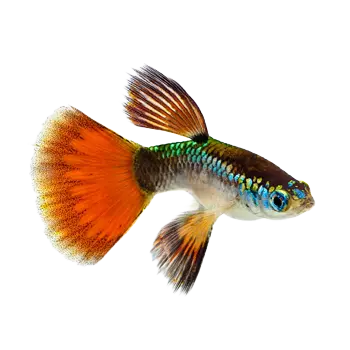
Adult guppies reach their full size and coloration between three and six months of age, entering a period of peak vitality that represents the prime of their lives. During this stage, a healthy guppy displays vivid coloration, active swimming behavior, and a strong appetite. Males show off their full genetic potential with elaborate tail patterns and brilliant hues, while females are robust and well-proportioned. Maintaining this level of health requires consistent attention to the fundamentals of aquarium care.

Stable water conditions are the cornerstone of adult guppy health. Aim for a temperature between 74 and 78 degrees Fahrenheit for the adult stage — slightly cooler than the warmer temperatures used to accelerate fry growth. Keeping adult guppies at the lower end of their comfortable range can actually extend their lifespan by slowing their metabolism slightly. The pH should remain between 7.0 and 7.8, and water hardness should be moderate to hard. Test parameters at least weekly and address any drift promptly.

Routine tank maintenance during the prime years includes weekly water changes of twenty to twenty-five percent, regular filter media rinsing in old tank water, and periodic gravel vacuuming to remove accumulated debris. A well-maintained tank supports a stable nitrogen cycle that keeps ammonia and nitrite at zero while controlling nitrate accumulation. This consistency is what separates thriving guppy colonies from those that experience chronic health problems.

Observe your adult guppies daily. Familiarity with each fish's normal behavior and appearance makes it much easier to spot early signs of illness or stress. A guppy that suddenly becomes reclusive, loses color, clamps its fins, or refuses food is telling you something is wrong. Early detection of health issues during the adult years gives you the best chance of successful intervention.

Nutrition at Maturity

Adult guppies require a balanced diet that supports their maintenance needs without promoting obesity. Two feedings per day is sufficient for most adult guppies, with each feeding consisting of only what the fish can consume within two minutes. The frantic feeding pace of the fry and juvenile stages gives way to a more measured approach that prioritizes quality and variety over sheer quantity.

A high-quality tropical flake or micro-pellet food should form the base of the adult diet, supplemented regularly with live or frozen foods. Brine shrimp, daphnia, bloodworms, and mosquito larvae provide excellent protein and help maintain the vivid coloration that guppies are prized for. Rotate between different food types throughout the week to ensure a broad nutritional profile. No single food source provides everything an adult guppy needs.

Vegetable matter becomes increasingly important in the adult diet. Spirulina-enriched flakes, blanched zucchini or cucumber slices, and algae wafers offer fiber and plant-based nutrients that support digestive health. Guppies in the wild consume a significant amount of algae and plant material alongside insect larvae and small invertebrates, so replicating this omnivorous balance in captivity promotes the best long-term health outcomes.

Fasting one day per week is a practice many experienced guppy keepers follow. A regular fast day allows the digestive system to clear completely and can help prevent the constipation and bloating that sometimes affect well-fed aquarium fish. Guppies tolerate a single day without food easily and often appear more active and eager at the next feeding. This simple routine contributes to a healthier, longer-lived fish.

Exercise & Enrichment

Adult guppies are perpetual motion machines in a healthy environment. Males in particular spend much of their time displaying to females, patrolling their preferred areas of the tank, and interacting with other males. This constant activity is natural and beneficial — it keeps muscles toned, fins flexible, and metabolism functioning properly. A tank that allows for both active swimming and restful retreats supports the full range of adult guppy behavior.

Tank size matters for adult guppies more than many keepers realize. While guppies are small fish, they are active ones, and a cramped tank limits their ability to exercise and express natural behaviors. A minimum of ten gallons is recommended for a small group, with larger tanks preferred for larger populations. Length is more important than height for guppies, as they primarily swim horizontally and benefit from longer tank dimensions.

Environmental enrichment for adult guppies includes live plants, varied terrain with caves or driftwood, and the occasional rearrangement of decorations to create novelty. Guppies are curious fish that respond positively to changes in their environment, investigating new objects and exploring altered landscapes. This mental stimulation is as important as physical exercise for overall well-being.

Water current can serve as a form of exercise for adult guppies, but it must be moderated. A gentle flow encourages swimming without exhausting the fish. Males with large, flowing tails are especially susceptible to fatigue in strong currents and may develop stress-related health problems if forced to fight powerful water movement constantly. Adjust your filter output to create areas of gentle current alongside calmer zones where the fish can rest.

Preventive Health Care

Preventive care during the adult years focuses on maintaining the conditions that keep disease at bay rather than treating problems after they arise. The pillars of preventive health for adult guppies are water quality, nutrition, stress reduction, and quarantine protocols. Together, these practices create an environment where a healthy immune system can function at its best and common pathogens cannot gain a foothold.

Quarantining all new arrivals before adding them to an established guppy tank is a non-negotiable best practice. New fish, plants, and even decorations from other aquariums can introduce parasites, bacteria, and viruses that your existing fish have no resistance to. A quarantine tank — even a simple, undecorated setup with a sponge filter and heater — gives you two to four weeks to observe newcomers for signs of disease before exposing your main colony.

Regular observation is the most powerful diagnostic tool available to the home aquarist. Spend a few minutes each day watching your guppies during and after feeding. Look for changes in behavior, appetite, coloration, fin condition, and swimming pattern. White spots, cottony growths, frayed fins, bloated abdomens, and clamped fins are all warning signs that warrant further investigation. Catching a problem early, while it is still confined to one fish, is always easier and more successful than treating a full-blown outbreak.

Maintain a basic fish health kit that includes aquarium salt, a broad-spectrum treatment recommended by your veterinarian, a small hospital tank, and a reliable water test kit. Having these supplies on hand means you can respond to health emergencies immediately rather than losing critical time while sourcing materials. Prevention may be the goal, but preparedness ensures you are ready when problems do arise.

Social Dynamics & Tank Community

Adult guppies live in a dynamic social environment with established hierarchies and ongoing interactions. Males compete for female attention through displays of color, fin size, and persistence. Dominant males tend to occupy the most visible positions in the tank and perform the majority of courtship displays. Subordinate males still breed but do so more opportunistically, often darting in for quick mating attempts when the dominant male is distracted.

The male-to-female ratio remains critically important in adult populations. Maintaining at least two to three females per male distributes courtship pressure and prevents any single female from being harassed to the point of stress. Females that are constantly pursued without rest may develop weakened immune systems, reduced appetite, and shorter lifespans. Providing ample plant cover and hiding spots gives females the ability to escape unwanted attention and rest when needed.

Community tank compatibility should be reassessed periodically as the tank matures. Fish that coexisted peacefully as juveniles may develop territorial or aggressive tendencies as adults. Monitor interactions between guppies and other species for signs of conflict. Fin-nipping from tankmates is particularly damaging to male guppies with elaborate tails, as damaged fins are prone to secondary bacterial infections and may never fully regenerate to their original form.

Population management is an ongoing consideration with adult guppies because of their prolific breeding. A mixed-sex group will produce fry continuously, and without management, a tank can become overcrowded within months. Decide in advance how you will handle population growth — options include separating sexes, rehoming excess fish to other keepers, or maintaining a community tank with species that naturally consume some fry, which limits population growth without your direct intervention.

Tank Maintenance & Water Quality

Consistent tank maintenance during the adult years is less about reacting to problems and more about creating a routine that prevents them. A weekly schedule that includes water testing, a partial water change, filter maintenance, and visual inspection of all equipment keeps the aquarium running smoothly and catches minor issues before they escalate. Establishing and following this routine is one of the simplest yet most impactful things you can do for your guppies.

Filter maintenance for adult guppy tanks involves rinsing mechanical media in old tank water every two to four weeks and replacing it only when it begins to fall apart. Biological media such as ceramic rings or bio-balls should rarely if ever be replaced, as they house the beneficial bacteria that drive the nitrogen cycle. Chemical media like activated carbon should be replaced monthly if you choose to use it, though many successful guppy keepers run their filters without chemical filtration altogether.

Algae management is a common concern in well-lit guppy tanks. Some algae growth is natural and even beneficial — guppies graze on soft algae as part of their diet. However, excessive algae can indicate an imbalance in lighting duration, nutrient levels, or both. Reducing the photoperiod to eight hours, ensuring you are not overfeeding, and adding fast-growing plants that compete with algae for nutrients are effective strategies for keeping algae under control without resorting to chemical treatments.

Equipment checks should be part of your regular maintenance routine. Verify that heaters are maintaining the correct temperature, filters are flowing at their expected rate, and air pumps are functioning properly. Replace aging equipment proactively rather than waiting for failures, as a heater malfunction or filter breakdown in the middle of the night can create dangerous conditions for your fish before you have a chance to intervene.

Always consult a qualified professional before making any health-related decisions. This content is provided for informational reference only and should not replace professional guidance specific to your animal.