
Breeding Readiness

Guppies are among the most prolific and easily bred aquarium fish, capable of reproducing at a remarkably young age. Males can become sexually mature as early as six to eight weeks old, while females typically reach maturity between ten and twelve weeks. However, just because a guppy is physically capable of breeding does not mean it is ready. Breeding fish that are too young or undersized can result in smaller broods, weaker fry, and increased stress on the mother. Waiting until both males and females are at least three to four months old and fully grown produces the best results.

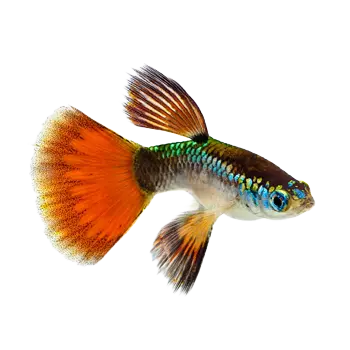
Selecting breeding stock begins with evaluating the health, coloration, and conformation of potential parents. Males should display vibrant, well-developed color patterns with full, undamaged fins. Females should be robust, active, and free of any signs of disease or deformity. If you are breeding for specific color or pattern traits, understanding basic guppy genetics — including dominant and recessive color genes — helps you predict outcomes and select pairs more effectively.

The breeding tank should be set up before introducing the selected pair or trio. A ten-gallon tank is adequate for a breeding group, equipped with a sponge filter, heater, and abundant live or artificial plants for cover. Dense plant growth is essential because it provides hiding spots for the female when she needs a break from male attention, and it gives newborn fry immediate shelter after birth. Water parameters should match those of the main tank to avoid stressing the fish during transfer.

Conditioning the breeding pair with high-quality, protein-rich foods for one to two weeks before pairing improves fertility, increases brood size, and enhances fry vitality. Live or frozen brine shrimp, bloodworms, and daphnia are excellent conditioning foods. Feed generously but avoid overfeeding to the point of water quality degradation. Well-conditioned parents produce stronger, more numerous offspring.

Mating Behavior & Fertilization

Guppy mating is a dynamic process driven primarily by male courtship behavior. Males display to females using a characteristic sigmoid display, curving their bodies into an S-shape and spreading their colorful fins to maximum extension. This display is performed repeatedly and is intended to attract the female's attention and demonstrate the male's fitness. Females evaluate these displays and may accept or reject mating attempts based on the male's color intensity, display vigor, and persistence.

Fertilization in guppies is internal. The male uses his gonopodium — a modified anal fin — to transfer sperm packets to the female. Mating events are brief, often lasting only a fraction of a second, and can be difficult to observe in real time. A single successful mating can fertilize multiple batches of eggs because female guppies have the remarkable ability to store sperm for several months. This means a female may continue producing fry long after being separated from males.

The ratio of males to females in the breeding tank significantly influences the success and welfare of the breeding group. One male paired with two or three females is ideal. This ratio reduces the relentless pursuit that a single female would endure from a determined male and distributes breeding activity more evenly. Multiple males in a breeding tank can also work, but they will compete for female access, which may lead to increased chasing and stress for all fish involved.

After mating has occurred, you can either leave the breeding group together or separate them. Many breeders remove the male after a few days of pairing, allowing the female to carry her pregnancy in peace. This reduces stress on the gravid female and ensures she has uninterrupted access to food and rest. Since females store sperm, a single pairing session is often sufficient for multiple successive broods.

Pregnancy & Gestation

Guppy pregnancy lasts approximately 21 to 30 days, with the exact duration influenced by water temperature, the female's health, and her overall stress level. Warmer temperatures within the safe range tend to shorten gestation slightly, while cooler temperatures extend it. During pregnancy, the female's abdomen gradually expands as the developing fry grow inside her. A dark area near the base of the anal fin, known as the gravid spot, becomes increasingly prominent as the pregnancy progresses.

As the due date approaches, the gravid spot darkens significantly and the female's abdomen becomes noticeably squared off rather than merely rounded. These visual cues are the most reliable indicators that birth is imminent. Some females also exhibit behavioral changes in the final days of pregnancy, becoming more reclusive, hovering near the bottom or in dense plant cover, and reducing their food intake. These behavioral shifts are normal pre-birth signals.

Nutrition during pregnancy should emphasize high-quality, easily digestible foods. Continue offering a varied diet with regular protein supplementation, but be attentive to the female's appetite. Some pregnant females eat voraciously while others become pickier as their bodies devote energy to fry development. Small, frequent feedings are better than large meals, as the growing fry compress the female's internal organs and limit stomach capacity.

Stress management during pregnancy is critical. Avoid unnecessary tank changes, loud noises near the aquarium, aggressive tankmates, and excessive handling. A stressed pregnant female may drop her fry prematurely, producing underdeveloped or stillborn young. Keeping the breeding tank in a quiet location with stable lighting and water conditions gives the mother the calm environment she needs for a healthy pregnancy and successful delivery.

Birth & Fry Survival

Guppies give birth to live, free-swimming fry rather than laying eggs. A typical birth can produce anywhere from five to over one hundred fry depending on the female's size, age, and condition. First-time mothers generally produce smaller broods, with brood size increasing in subsequent pregnancies as the female matures and grows. The birthing process can take several hours, with fry being released individually or in small clusters over the course of the event.

The most immediate threat to newborn fry is predation — including from their own mother. Female guppies do not exhibit parental care and will eat their own offspring if given the opportunity. This makes it essential to have dense plant cover in the birthing tank or to use a breeding box that separates the mother from the fry as they are born. Remove the mother from the fry tank promptly after birthing is complete to maximize fry survival.

Fry are capable of swimming and feeding within hours of birth. Provide appropriately sized food immediately — crushed flake food, commercially prepared fry food, or freshly hatched brine shrimp are all suitable first foods. Feed small amounts four to six times daily during the first week to support the rapid growth that characterizes the earliest days of life. Clean water is paramount, as fry are far more sensitive to ammonia and nitrite than adults.

Not all fry in a batch will be equally viable. Some may be born with deformities, bent spines, or incomplete development. These individuals may not survive regardless of care quality, and losing a percentage of each brood is normal and expected in guppy breeding. Focus your resources on the healthy majority and accept that some natural attrition is an inherent part of livebearer reproduction.

Postpartum Care

After giving birth, the female guppy needs time to recover before being returned to a community tank or paired again for breeding. The birthing process is physically demanding, and a postpartum female is often exhausted, stressed, and more vulnerable to illness. Allow her at least one to two weeks of recovery in a calm environment with excellent water quality and nutritious food before subjecting her to any additional stressors.

During the recovery period, feed the postpartum female high-quality foods to help her regain weight and strength. Protein-rich live or frozen foods are especially beneficial at this time. She will likely be hungry and eat eagerly once she has rested from the birth. Ensure she has hiding places and minimal competition for food so she can recover at her own pace without being harassed by tankmates or overly persistent males.

Monitor the female for signs of postpartum complications. Retained fry, where one or more fry fail to be expelled during birth, can cause infections or internal blockage. Signs include a persistently swollen abdomen after what appeared to be a completed birth, lethargy, loss of appetite, or visible distress. If you suspect retained fry, consult a fish veterinarian for guidance. Mild cases sometimes resolve naturally, but severe cases may require intervention.

Decide whether the female will be bred again or given a permanent break from reproduction. Continuous breeding without rest periods shortens a female's lifespan and diminishes the quality of each successive brood. Experienced breeders typically allow females to rest for at least one full cycle between pregnancies. Remember that females store sperm, so even a female separated from males may produce additional broods from previous matings. This stored sperm capability means population planning requires separating females well before you want breeding to stop.

Responsible Breeding Ethics

Breeding guppies is easy — breeding them responsibly requires forethought and planning. Before you begin, consider what will happen to the offspring. A single female can produce hundreds of fry over her lifetime, and without a plan for those fish, you may quickly find yourself overwhelmed. Identify potential homes for excess fish before you start breeding. Local aquarium clubs, fish stores that accept surrenders, and online fishkeeping communities can all be resources for rehoming, but availability is not guaranteed.

Genetic health should be a priority in any breeding program. Avoid inbreeding by periodically introducing unrelated stock to your breeding lines. Prolonged inbreeding concentrates deleterious recessive genes and leads to progressive declines in fry viability, coloration, fertility, and overall health across generations. Even casual breeders should outcross their lines every few generations to maintain genetic vigor and produce robust, healthy offspring.

Selective breeding for extreme traits — such as excessively large tails, unusual body shapes, or extreme color concentration — can sometimes come at the expense of the fish's well-being. Males with extremely large tails may struggle to swim effectively, be more prone to fin damage and infection, and have reduced quality of life compared to more naturally proportioned individuals. Ethical breeders balance aesthetic goals with the health and functionality of the fish, recognizing that a beautiful fish that cannot swim comfortably is not a successful breeding outcome.

Population management is an ongoing ethical obligation for anyone who breeds guppies. Allowing uncontrolled reproduction leads to overcrowding, resource competition, water quality degradation, and diminished welfare for every fish in the tank. Whether you manage population through sex separation, selective pairing, natural predation dynamics, or rehoming, having a clear strategy before you begin is essential. Responsible breeding means taking ownership of every life your breeding program produces, from birth to final disposition.

Always consult a qualified professional before making any health-related decisions. This content is provided for informational reference only and should not replace professional guidance specific to your animal.