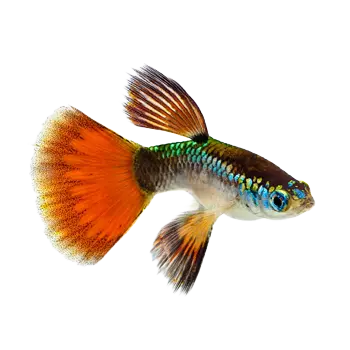

The juvenile phase in guppies begins around four weeks of age and extends until they reach sexual maturity, typically between two and three months old. During this period, growth is rapid and dramatic. Fry that were barely visible at birth now begin to take on recognizable guppy proportions, with their bodies elongating and filling out as muscle and skeletal structures develop. Males and females start to diverge in appearance, with males generally remaining smaller and slimmer while females grow larger and rounder.
Coloration is one of the most exciting aspects of juvenile development. Males begin displaying their genetic color patterns during this stage, with pigment cells gradually filling in across the tail, dorsal fin, and body. The full expression of color can take several weeks to complete, and the intensity of coloration is influenced by genetics, diet, lighting, and overall health. Females typically remain more subdued in color, though some strains produce females with noticeable color in the fins or body.
Sex identification becomes possible during the juvenile stage, usually around four to six weeks of age. The most reliable indicator is the development of the gonopodium in males — a modified anal fin that becomes pointed and rod-shaped rather than remaining fan-shaped as it does in females. Identifying sex early is important if you wish to separate males and females before they reach breeding age, which can occur surprisingly early in guppies.
Growth rate during the juvenile period is directly tied to environmental conditions. Guppies raised in spacious, clean tanks with frequent feedings and optimal water parameters will grow significantly faster than those kept in crowded or poorly maintained conditions. Stunted growth during this critical window can have lasting effects on the fish's adult size and overall health.