
When Does Senior Begin?

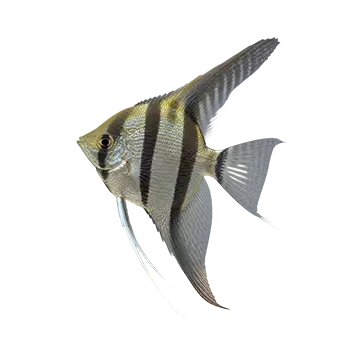
Angelfish typically begin showing signs of aging around six to eight years of age, though the exact onset varies depending on genetics, lifetime care quality, and environmental conditions. Some well-cared-for angelfish remain vigorous well past age eight, while fish that have experienced chronic stress, poor water quality, or inadequate nutrition may show signs of decline much earlier. There is no single calendar date when an angelfish becomes senior; rather, it is a gradual transition marked by observable changes in behavior and appearance.

The earliest signs of aging in angelfish are often subtle. You may notice a slight decrease in activity levels, with the fish spending more time resting among plants or near the substrate rather than actively patrolling the tank. Feeding responses may slow, with the fish taking longer to notice food or being less aggressive in competing for it. These changes can be easy to miss if they happen gradually over months, which is why establishing a baseline understanding of your fish's normal behavior during its prime years is so valuable.

Physical changes accompany the behavioral shifts. Older angelfish may develop a slight loss of muscle mass, giving them a less robust appearance than they had in their prime. Fin edges may become slightly ragged or lose some of their flowing elegance. Coloration can fade or change, with some fish developing darker patches or losing the vibrancy of their pattern. These cosmetic changes are normal signs of aging and do not necessarily indicate illness.

It is important to distinguish between normal aging and treatable health conditions. An angelfish that suddenly becomes lethargic, stops eating entirely, or shows dramatic color changes over a short period is more likely ill than simply aging. Gradual, progressive changes over weeks and months are characteristic of natural aging, while sudden declines usually have a specific cause that should be investigated and addressed.

Mobility & Swimming Changes

As angelfish age, their swimming patterns and ability often change in noticeable ways. Younger angelfish are dynamic swimmers, moving through all levels of the tank with ease and precision. Senior angelfish tend to conserve energy, preferring to station themselves in a favorite spot and moving deliberately rather than darting around the tank. This reduced activity is normal and does not require intervention as long as the fish is still eating and interacting with its environment.

Swim bladder function can deteriorate with age, leading to buoyancy problems. An angelfish that struggles to maintain its position in the water column, listing to one side, floating uncontrollably, or sinking to the bottom, may be experiencing age-related swim bladder dysfunction. While swim bladder issues in younger fish are often caused by overfeeding, constipation, or infection and may be treatable, in senior fish the condition is sometimes a permanent consequence of aging.

Adapt the tank environment to accommodate a less mobile senior fish. Lower the water level slightly if the fish has trouble reaching the surface for food. Ensure that resting spots are available at various heights so the fish does not have to swim far to find a comfortable position. Dense planting provides natural perches where angelfish can rest their ventral fins against leaves or stems, reducing the energy needed to stay stationary.

Monitor senior angelfish at feeding time to ensure they are actually consuming food. Older fish may approach food but have difficulty competing with younger, faster tankmates. If your senior angelfish is being outcompeted, consider target feeding using a turkey baster or feeding pipette to deliver food directly to the fish. Alternatively, feed at multiple locations around the tank to spread out the competition and give slower fish a better chance.

Immune System & Disease Susceptibility

The immune system of an aging angelfish weakens gradually, making senior fish more susceptible to diseases that younger, healthier fish might resist. Conditions like ich, bacterial infections, and fungal issues that a prime-age angelfish could fight off with minimal intervention may become serious or even life-threatening in a senior fish. This increased vulnerability makes preventive care and water quality maintenance even more critical during the later years.

Stress is a major immune suppressant in fish of any age, but its effects are amplified in seniors. Avoid unnecessary environmental disruptions such as major tank rearrangements, introduction of new and potentially aggressive tankmates, or dramatic changes in routine. When water changes or tank maintenance are necessary, perform them gently and predictably. Keeping the senior fish's environment as stable as possible is one of the most effective ways to support its aging immune system.

Watch for early signs of illness more vigilantly in senior fish than you would in younger individuals. Small white spots, slight fin erosion, a single area of discoloration, or a subtle change in feces can all be early indicators of infection. Treating these issues early, before they become systemic, gives the best chance of recovery. Delaying treatment while hoping the fish will fight off the problem on its own is a risky approach with senior fish whose immune responses are already compromised.

Consult with a veterinarian experienced in aquatic animals if your senior angelfish develops a persistent or recurring health issue. Some conditions common in aging fish, such as tumors, organ dysfunction, and chronic infections, require professional assessment. While not all age-related conditions are curable, a veterinarian can help you determine whether treatment is appropriate and likely to improve the fish's quality of life or whether management and comfort care are the better approach.

Nutrition for Aging

Dietary needs shift as angelfish enter their senior years. Metabolism slows with age, meaning older fish require fewer calories than they did during their active adult phase. Continuing to feed a senior angelfish at the same rate as a prime-age adult often leads to obesity, fatty liver disease, and water quality problems from excess waste. Reduce feeding to once daily and offer smaller portions, adjusting based on the individual fish's body condition and activity level.

Food type may need to change as well. Senior angelfish can sometimes have difficulty consuming larger pellets or hard flakes that they ate easily when younger. Switching to smaller pellets, softer foods, or pre-soaked flakes can make eating easier and more comfortable. Frozen foods like brine shrimp, daphnia, and finely chopped bloodworms are often well-accepted by senior fish because they are soft, flavorful, and easy to consume.

Nutritional quality becomes more important even as quantity decreases. Focus on highly digestible, nutrient-dense foods that provide maximum benefit per bite. Foods supplemented with vitamins, garlic extract, or immune-supporting ingredients can be beneficial for aging fish. Spirulina-enriched foods support overall cellular health and may help maintain coloration that can fade with age.

Fasting days remain appropriate for senior angelfish and may be even more beneficial than for younger fish. One or two days per week without food gives the digestive system a chance to rest and helps prevent the constipation that can become more common with reduced activity levels. If your senior fish seems interested in food on a fasting day, that is a good sign of overall health, but resist the temptation to feed anyway unless the fish appears underweight.

Increased Monitoring & Veterinary Care

Senior angelfish benefit from more attentive monitoring than their younger counterparts. While weekly water testing is sufficient for a healthy adult tank, testing twice weekly or even daily during periods of concern is appropriate for a tank housing senior fish. Pay particular attention to nitrate levels, as even moderately elevated nitrates that younger fish tolerate well can contribute to health decline in older individuals. Keeping nitrates below twenty parts per million is a worthwhile goal for senior fish tanks.

Maintain a simple health log for your senior angelfish. Recording observations about feeding behavior, activity level, physical appearance, and any notable changes creates a valuable record that helps you identify gradual trends you might not notice from day to day. This log can also be extremely useful if you need to consult with a veterinarian, providing a timeline of changes that helps the professional assess what is happening.

Temperature management deserves extra attention with senior fish. Older angelfish may be less tolerant of temperature fluctuations and may benefit from a slightly warmer environment, around 80 to 82 degrees Fahrenheit, which supports their slowing metabolism and immune function. Ensure your heater is reliable and consider using a backup heater or a temperature alarm system if you live in an area prone to power outages or temperature extremes.

As your angelfish ages, building a relationship with a veterinarian who has experience with aquatic animals becomes increasingly valuable. While many common fish illnesses can be treated at home with over-the-counter medications, senior fish present more complex cases where professional guidance can make the difference between a good outcome and unnecessary suffering. Some veterinarians can conduct remote consultations based on water parameters, photos, and symptom descriptions, making aquatic veterinary care more accessible than many keepers realize.

Quality of Life Assessment

Evaluating quality of life for a senior angelfish requires honest, ongoing assessment of how the fish is actually doing rather than how you wish it were doing. A good quality of life for an aging angelfish means the fish is still eating regularly, maintains reasonable activity and awareness of its surroundings, is not in visible distress, and is free from constant harassment by tankmates. Meeting all of these criteria does not require the fish to be as active or vibrant as it was in its prime, just comfortable and content.

Appetite is one of the most reliable quality-of-life indicators for fish. An angelfish that continues to show interest in food and eat regularly, even if more slowly than before, is generally still enjoying a reasonable quality of life. A fish that has stopped eating entirely for more than a few days, despite being offered a variety of palatable foods, is likely in serious decline. Loss of appetite in a senior fish that has no other obvious symptoms can indicate organ failure or internal disease.

Physical comfort should be evaluated alongside appetite. A fish that is constantly struggling to maintain its position in the water, breathing heavily, rubbing against surfaces persistently, or showing signs of pain through clamped fins and color loss is not comfortable. While some level of physical decline is a normal part of aging, there is a difference between slowing down gracefully and suffering. Learning to distinguish between the two is one of the responsibilities of caring for a long-lived fish.

Having an honest conversation with yourself about your fish's quality of life is not something that needs to happen only at the very end. Regular assessment throughout the senior years helps you make better decisions about care adjustments, treatment options, and eventually, end-of-life planning. Many experienced fishkeepers find it helpful to establish personal criteria for quality of life early in their fish's senior years so that they are making decisions based on the fish's wellbeing rather than reacting emotionally in a crisis moment.

Always consult a qualified professional before making any health-related decisions. This content is provided for informational reference only and should not replace professional guidance specific to your animal.