
Breeding Readiness

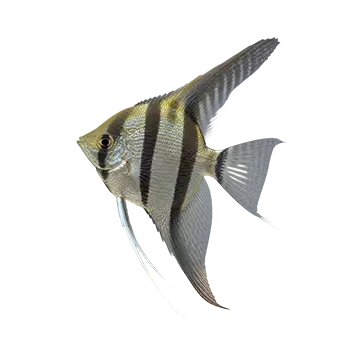
Angelfish typically reach sexual maturity between eight and twelve months of age, though some individuals may take up to eighteen months depending on growth rate and environmental conditions. Physical maturity alone does not mean a fish is ready to breed successfully. The best breeding candidates are healthy, well-nourished adults that have been maintained in stable, high-quality water conditions and show no signs of illness or chronic stress. Attempting to breed fish that are too young, underweight, or in poor health often results in infertile eggs, poor parental behavior, or compromised fry.

Determining sex in angelfish remains one of the species' enduring challenges. There are no reliable external differences between males and females outside of spawning condition. During spawning, the female's ovipositor, a small tube near the anal fin, becomes visible and is broader and more rounded than the male's corresponding papilla, which is narrower and more pointed. Outside of spawning, these structures are retracted and not visible, making visual sexing essentially impossible.

The most reliable method for obtaining a breeding pair is to raise a group of six or more juveniles together and allow natural pair formation. When two angelfish bond, their behavior changes dramatically. They will begin swimming together as a unit, defending a territory from other fish, and cleaning a chosen spawning surface repeatedly. These pre-spawning behaviors can begin days or even weeks before actual egg laying and are strong indicators that you have a compatible pair.

Before encouraging breeding, consider whether you have the resources and plan to handle the results. A single angelfish pair can produce hundreds of eggs per spawn and may spawn every two to three weeks under favorable conditions. Raising fry requires dedicated tank space, time for frequent feedings, and a plan for finding homes for the young fish. Breeding without a plan for the offspring is irresponsible and can lead to overcrowding and poor outcomes for both parents and fry.

Spawning Conditions & Triggers

Angelfish breed most readily when environmental conditions mimic the seasonal changes of their native South American habitat. In the wild, spawning is triggered by the onset of the rainy season, which brings slightly cooler, softer water, increased water volume, and abundant food. You can simulate these triggers in the home aquarium through targeted adjustments to water conditions, temperature, and feeding.

Performing a large water change of thirty to fifty percent with water that is two to three degrees cooler than the tank temperature is one of the most effective spawning triggers. This mimics the influx of fresh rainwater that signals the start of breeding season in the wild. Combine this with a slight reduction in water hardness if your tap water is moderately hard. Soft, slightly acidic water between pH 6.5 and 6.8 is optimal for angelfish spawning and egg viability.

Increasing the frequency and quality of live or frozen food feedings in the week before a planned spawn can condition the breeding pair and improve egg production. Bloodworms, brine shrimp, and other protein-rich foods provide the energy reserves the female needs to develop a full clutch of eggs. Feed generously but not to the point of fouling the water, as pristine water quality remains essential for successful spawning.

Provide appropriate spawning surfaces in the breeding tank. Angelfish prefer to lay eggs on smooth, vertical or near-vertical surfaces. Broad-leaved plants like Amazon swords are natural favorites, but many breeders use pieces of slate, PVC pipe, or commercially available spawning cones positioned vertically in the tank. The breeding pair will choose their preferred surface and begin cleaning it obsessively in the days leading up to spawning, giving you a clear signal that eggs are imminent.

The Spawning Process

Angelfish spawning is a coordinated event that typically takes one to two hours from start to finish. The process usually begins in the late afternoon or evening, though this can vary. You will know spawning is about to begin when the pair's cleaning of the chosen surface intensifies and the female's ovipositor becomes clearly visible as a small tube protruding near her anal fin. The male's papilla will also become visible, though it is smaller and more pointed.

The female initiates egg laying by making slow, deliberate passes over the spawning surface, depositing a row of small, translucent eggs with each pass. She moves from bottom to top in even rows, pressing her ovipositor against the surface to adhere each egg. Between the female's passes, the male follows the same path, fertilizing the newly laid eggs. This alternating pattern continues until the female has deposited her entire clutch, which can range from one hundred to over one thousand eggs depending on the female's size and age.

Freshly laid, fertilized angelfish eggs are translucent amber to light brown in color. Infertile eggs will turn opaque white within the first twelve to twenty-four hours. In a healthy spawn from an experienced pair, the majority of eggs should remain clear, indicating successful fertilization. A high percentage of white eggs may indicate that the male is not fertilizing effectively, the water chemistry is not optimal, or the fish are too young or stressed.

After spawning is complete, both parents typically assume guard duties over the eggs. They will fan the eggs with their pectoral fins to keep water circulating over them, remove any eggs that turn white or develop fungus, and aggressively defend the spawning site from any fish that approaches too closely. This parental behavior is fascinating to observe and is one of the hallmarks of cichlid reproduction. First-time parents may be nervous and inconsistent in their care, and it is common for new pairs to eat their first few spawns before developing reliable parental instincts.

Egg Care & Hatching

Angelfish eggs develop rapidly in warm water. At a temperature of 80 to 82 degrees Fahrenheit, eggs will typically hatch within forty-eight to seventy-two hours of being laid. During this incubation period, the embryos develop visibly inside the transparent eggs, and you can often see tiny tails beginning to move within the eggs before hatching occurs. Maintaining stable temperature and water quality during this period is critical, as fluctuations can halt development or cause deformities.

If the parents are caring for the eggs, your primary role is to minimize disturbance. Avoid tapping on the glass, performing water changes near the spawning site, or making sudden movements that might startle the parents. Stressed parents are more likely to eat the eggs. Keep lighting subdued and consistent, and do not add or remove tankmates during the incubation period. If the parents are in a community tank and other fish are causing stress, consider using a tank divider to create a buffer zone.

For eggs that have been moved to a separate hatching tank, you will need to replicate the parental care artificially. Position a gentle air stone near the eggs to provide water circulation that mimics the parents' fanning action. The current should be just enough to move water over the eggs without being strong enough to dislodge them. Add a small amount of methylene blue to the water to inhibit fungal growth, which is the primary threat to unguarded eggs.

Remove any eggs that turn white promptly, as fungus from dead eggs can spread rapidly to healthy neighbors. Use a small pipette or tweezers to carefully pick off individual white eggs without disturbing the surrounding viable ones. Some breeders prefer to leave all egg management to the parents when possible, as the parents are often more precise in their cleaning than human intervention allows. The decision depends on whether you trust your particular pair's parental skills.

Post-Spawn Recovery & Repeat Spawning

After a successful spawn, both the male and female angelfish need time and good nutrition to recover. The female in particular has expended significant energy producing and laying the eggs, and she will need protein-rich food to rebuild her reserves. Offer high-quality frozen or live foods for several days following spawning, being careful not to overfeed to the point where uneaten food compromises water quality in the breeding tank.

Angelfish are prolific breeders and can spawn repeatedly every two to three weeks under favorable conditions. While this productivity is impressive, allowing a pair to breed this frequently without interruption can exhaust the female and reduce the quality of successive spawns. Many experienced breeders separate the pair for a week or two after every second or third spawn to give the female time to recover fully. This rest period generally results in larger, more viable clutches when breeding resumes.

If you do not want your pair to continue breeding, you have several options. Lowering the water temperature slightly, reducing the photoperiod, and cutting back on protein-rich foods can suppress the breeding urge. Removing the spawning surface forces the pair to search for an alternative, which may delay spawning. However, determined angelfish pairs will lay eggs on almost any smooth surface, including filter intakes, heater tubes, and even the glass walls of the tank, so completely preventing spawning in a bonded pair is difficult.

Monitor the pair's relationship after spawning, especially if the spawn fails or the eggs are eaten. Some pairs become aggressive toward each other after a failed breeding attempt, with one partner blaming the other in what appears to be genuine frustration. If aggression between the pair escalates after a failed spawn, separating them temporarily with a divider can prevent injury while allowing them to calm down. Most bonded pairs will reconcile and breed again successfully after a cooling-off period.

Responsible Breeding Ethics

Responsible angelfish breeding begins with having a clear plan for the offspring before the eggs are even laid. A single successful spawn can produce hundreds of fry, and multiple spawns per month can quickly overwhelm even a well-prepared breeder. Before you encourage your angelfish to breed, identify outlets for the young fish. Local aquarium clubs, independent fish stores, and online aquarist communities are all potential avenues, but contact them in advance to gauge demand and establish relationships.

Genetic responsibility is an important consideration in angelfish breeding. Avoid breeding fish with known health issues, deformities, or severely inbred lineage. While the full genetic history of pet-store angelfish is rarely known, observing the parents' health, body conformation, and vigor over time gives you a reasonable assessment of their genetic quality. Fish that consistently produce fry with high rates of deformity or failure to thrive should not be bred repeatedly.

The welfare of the breeding fish themselves must remain a priority. Breeding is physically demanding, and pushing a pair to produce spawn after spawn without adequate rest periods is exploitative regardless of demand for the fry. Provide proper nutrition, recovery time, and stress-free conditions for breeding pairs. A healthy, well-rested pair produces better-quality offspring than an exhausted pair that spawns every two weeks year-round.

Consider the broader impact of your breeding on the local fishkeeping community. Flooding the market with large numbers of poorly raised or common-variety angelfish can depress prices and reduce demand to the point where fish cannot find homes. Focus on quality over quantity. Raise fewer fry with better care, better nutrition, and more growing space rather than trying to maximize the number of fish from every spawn. Well-raised, healthy, well-colored angelfish are always in demand, while stunted, pale, or sickly fish contribute to the perception that home-bred fish are inferior to professionally raised stock.

Always consult a qualified professional before making any health-related decisions. This content is provided for informational reference only and should not replace professional guidance specific to your animal.