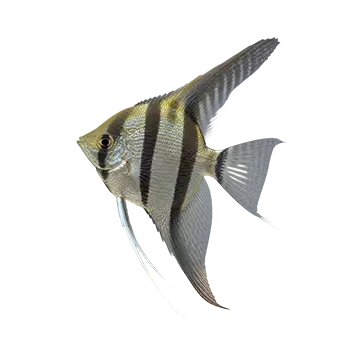

Adult angelfish reach their full size and coloration between twelve and eighteen months of age, and their prime years typically extend from this point through roughly age five or six. During this period, angelfish are at their most robust, most colorful, and most active. The goal of care during the adult stage is to maintain the stable, high-quality conditions that keep these fish thriving and prevent the gradual decline that can come from long-term environmental neglect.
Consistency is the cornerstone of adult angelfish care. These fish do best when their environment remains stable day to day. Maintaining a consistent temperature between 76 and 82 degrees Fahrenheit, keeping pH steady between 6.5 and 7.5, and ensuring ammonia and nitrite remain at zero are the non-negotiable foundations. Sudden parameter swings, even within acceptable ranges, cause more stress than slightly imperfect but stable conditions.
Regular observation is one of the most underrated aspects of fishkeeping. Spending a few minutes each day watching your angelfish gives you a baseline understanding of their normal behavior, coloring, and feeding habits. When something changes, whether a fish becomes less active, develops a spot on its fin, or stops eating, you will notice it quickly because you know what normal looks like. Early detection of problems is far more effective than treating advanced illness.
A well-maintained adult angelfish is a stunning fish. Their fins should be long, flowing, and free of tears or ragged edges. Their scales should be smooth and reflective, their eyes clear, and their body well-proportioned without any pinching or bloating. If your fish consistently displays these traits, your care routine is working well.