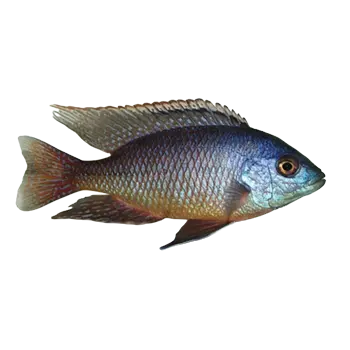

Recognizing when a Haplochromis cichlid is approaching the end of its life requires attentive observation and an understanding of the difference between treatable illness and irreversible decline. Fish that are simply aging will show a gradual slowing of activity, reduced appetite, and fading coloration over weeks or months. A fish that is actively dying, however, may display more acute symptoms such as complete refusal of food, inability to maintain balance or buoyancy, labored breathing, and total withdrawal from social interaction.
Loss of equilibrium is one of the most definitive signs that a fish is in serious decline. A Hap cichlid that consistently lists to one side, rests on the bottom with its fins clamped tightly against its body, or floats at the surface unable to descend is experiencing a level of organ failure or nervous system breakdown that is unlikely to reverse. While temporary swim bladder issues can occur at any age and often resolve with care, persistent loss of balance in a senior fish is typically a terminal sign.
Changes in gill function become more apparent as a fish nears the end. Rapid, shallow gill movements at rest indicate respiratory distress, which may result from organ failure, fluid accumulation in the body cavity, or a systemic infection that has overwhelmed the immune system. A fish breathing heavily while motionless in a well-oxygenated tank is telling you that something fundamental has changed inside its body.
Skin and scale changes can also signal terminal decline. Raised scales, a condition known as dropsy, indicate severe fluid retention caused by kidney or liver failure. The pinecone-like appearance of raised scales is distressing to see and is almost always irreversible by the time it becomes visible. Similarly, open sores or lesions that do not respond to improved water quality or treatment suggest that the fish's body is no longer capable of healing itself.