African Cichlid Hap Care Guide - Furry Critter Network

African Cichlid Hap

Quick Facts

🔬 Scientific Name
Haplochromis spp. and allied genera (Haplochrominae)
💧 Breed Group
Freshwater
⭐ Care Level
Intermediate
😊 Temperament
Semi-Aggressive
📏 Adult Size
4-14 inches (varies by species)
⏱️ Lifespan
7-12 years
🐟 Tank Size Minimum
75 gallons
🌡️ Temperature Range
74-82°F
⚗️ Ph Range
7.6-8.8
🍽️ Diet Type
Omnivore to Piscivore (varies by species)
🌍 Origin
East Africa (Lake Malawi, Lake Victoria, Lake Tanganyika)

African Cichlid Hap - Names & Recognition

The term "Hap" in the African cichlid hobby serves as a broad informal designation encompassing a diverse assemblage of open-water and sand-dwelling cichlid species originating primarily from Lake Malawi, with additional representation from Lakes Victoria and Tanganyika. The name derives from the genus Haplochromis, which historically served as a massive taxonomic catch-all containing hundreds of species before systematic revision distributed the majority into more precisely defined genera. Despite the taxonomic reorganization, the hobbyist shorthand "hap" persists as a practical category distinguishing these open-water cichlids from the rock-dwelling mbuna and the Aulonocara peacock cichlids that share their Rift Lake habitats.

The genera most commonly encountered under the hap umbrella in the aquarium trade include Protomelas, Copadichromis, Nimbochromis, Dimidiochromis, Placidochromis, Otopharynx, Sciaenochromis, and Tyrannochromis, among others. Each genus occupies a distinct ecological niche within the lake ecosystem, from the planktivorous schooling behavior of Copadichromis species to the ambush predation strategies of Nimbochromis. This ecological diversity translates directly into varying care requirements, adult sizes, and behavioral profiles that keepers must understand to maintain these fish successfully.

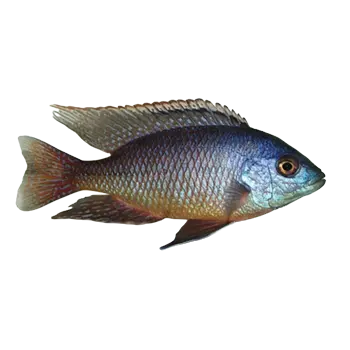
Common names applied to individual hap species frequently reference their coloration, native collection localities, or behavioral characteristics. Species such as the Electric Blue Hap (Sciaenochromis fryeri), the Super Red Empress (Protomelas taeniolatus), the Venustus (Nimbochromis venustus), and the Taiwan Reef (Protomelas sp. "Steveni Taiwan") illustrate the naming conventions that blend scientific precision with trade-friendly descriptors. These common names, while useful for commercial identification, can generate confusion when the same species receives different labels from different exporters or when unrelated species share similar color descriptions.

The scientific classification of hap cichlids places them within the family Cichlidae, subfamily Pseudocrenilabrinae, tribe Haplochromini. This tribal designation connects them to the broader Haplochromine radiation that produced the extraordinary species diversity observed across the African Great Lakes, representing one of the most remarkable examples of adaptive radiation documented in vertebrate biology. Understanding this evolutionary context enriches the keeping experience and helps explain the behavioral complexity, ecological specialization, and species-level diversity that characterize this group.

African Cichlid Hap Physical Description

Hap cichlids present a diverse range of body morphologies reflecting their varied ecological niches within the Rift Lake environment, but most share a common structural theme of streamlined, laterally compressed bodies adapted for active swimming in open water. Adult sizes range from approximately four inches in smaller Copadichromis species to fourteen inches or more in large predatory genera such as Nimbochromis and Dimidiochromis. This size range positions haps as generally larger-bodied than the compact, rock-dwelling mbuna that share their native habitat, requiring correspondingly more spacious aquarium accommodations.

Sexual dichromatism in hap cichlids ranks among the most dramatic in the freshwater aquarium world. Dominant males of many species develop spectacular breeding coloration featuring intense metallic blues, electric yellows, vivid reds, and iridescent greens that rival marine reef fish for visual impact. Females and subdominant males typically retain subdued silver-gray to olive-brown base coloration with dark vertical barring or spotting that provides camouflage in the wild. This stark contrast between male display coloration and female cryptic patterning reflects the sexual selection pressures that have driven the explosive diversification of cichlid color patterns across the African lakes.

Head morphology varies considerably across hap genera in correlation with feeding specialization. Piscivorous species like Nimbochromis and Dimidiochromis possess elongated snouts with large, terminal mouths equipped for capturing fish prey. Planktivorous Copadichromis display more compact head profiles with upturned mouths adapted for midwater feeding. Sand-sifting genera such as Otopharynx feature slightly underslung jaws designed for substrate processing. These morphological adaptations provide visual cues that help keepers identify appropriate dietary strategies for each species.

Finnage across hap species follows the generalized cichlid template of a continuous dorsal fin with spiny anterior and soft posterior portions, paired pectoral and pelvic fins, an anal fin, and a moderately forked to rounded caudal fin. Male coloration typically extends dramatically into the fins during breeding condition, with many species developing vivid edging, spotting, or overall color suffusion that enhances their display presentation. The anal fins of males frequently display egg-spot markings, rounded ocelli that mimic the appearance of eggs and play a functional role in the mouthbrooding fertilization process characteristic of haplochromine cichlids.

Juvenile hap cichlids of most species present a challenging identification puzzle, as the subdued silver-gray coloration shared across many genera makes species-level determination difficult before males begin developing adult breeding colors at roughly three to five inches in length. This identification ambiguity creates practical challenges for hobbyists attempting to acquire specific species from mixed holding tanks in retail settings. Purchasing from specialized African cichlid breeders who maintain species-specific colonies provides the most reliable method for obtaining accurately identified stock.

Temperament
Haps occupy a middle ground in African cichlid aggression, displaying less relentless territorial behavior than mbuna but more assertiveness than peaceful community species. Dominant males defend breeding territories vigorously while generally tolerating non-competing tank mates. Aggression intensity varies considerably among genera, with some Nimbochromis species proving notably more predatory than mild-mannered Copadichromis.
Care Level
Haps require intermediate care centered on maintaining the hard, alkaline water chemistry native to the African Rift Lakes and managing social dynamics within the aquarium. Their moderate to large adult size demands appropriate tank volume and robust filtration. Once established in a properly configured system with stable parameters, most hap species prove hardy and adaptable.
Diet
Most hap species accept a wide variety of prepared, frozen, and live foods with enthusiasm. Dietary needs range from omnivorous generalists to specialized piscivores depending on the genus, but all respond well to quality cichlid pellets as a staple. Feeding is straightforward provided keepers match food type and protein content to the specific species' ecological niche.
Water Conditions
Haps require the hard, alkaline water chemistry characteristic of the African Rift Lakes, with pH values between 7.6 and 8.8 and elevated mineral hardness. These parameters differ significantly from most tropical community fish requirements and demand specific buffering and mineral supplementation. Once established, the chemistry is stable and relatively easy to maintain.
Tank Size
The moderate to large adult size of most hap species necessitates tanks of 75 gallons minimum for smaller species, with 125 gallons or more strongly recommended for larger genera like Nimbochromis and Dimidiochromis. Their active swimming behavior and territorial requirements demand generous horizontal space. Understocking produces better social dynamics than cramming multiple large males into marginal volumes.
Compatibility
Haps integrate well with other hap species of similar size and temperament, and many coexist productively with milder mbuna varieties and Peacock cichlids in appropriately sized tanks. Careful selection avoids mixing closely related species whose females are visually similar, preventing unwanted hybridization. Predatory genera require exclusion of any tank mates small enough to be consumed.
Activity Level
Haps are active, open-water swimmers that patrol mid-column and upper tank zones with purposeful, cruising movements. Dominant males display vigorously to attract females and deter rivals, showcasing their coloration through dynamic behavioral performances. Their swimming patterns provide constant visual interest and a lively character distinct from the rock-hugging behavior of mbuna.
Hardiness
Most hap species demonstrate solid hardiness when maintained within appropriate water chemistry parameters, recovering well from minor environmental fluctuations and resisting common aquarium pathogens. Their tolerance for the elevated pH and mineral content of Rift Lake conditions makes them well-suited to the naturally hard, alkaline tap water found in many municipal supplies.

Natural Habitat & Range

The primary natural habitat of hap cichlids centers on Lake Malawi, the southernmost of the three major African Rift Lakes and one of the largest freshwater bodies on earth by volume. Stretching approximately 360 miles in length and reaching depths exceeding 2,300 feet, Lake Malawi supports an estimated 800 to 1,000 cichlid species, the majority of which are endemic. Hap species occupy the open-water zones, sandy substrates, and intermediate habitats between the rocky littoral zone dominated by mbuna and the deep pelagic waters of the lake's central basin.

Within Lake Malawi, different hap genera partition habitat along ecological gradients defined by depth, substrate type, and proximity to rocky formations. Copadichromis species school in open water above sandy or muddy substrates, feeding on zooplankton suspended in the water column. Protomelas species forage along the interface between rocky outcrops and sandy flats, exploiting food resources from both zones. Nimbochromis and Dimidiochromis patrol sandy areas and vegetated shallows as apex predators, employing ambush and pursuit strategies to capture smaller fish. This niche partitioning reduces direct competition and has contributed to the extraordinary species richness the lake supports.

Water chemistry in Lake Malawi is characterized by elevated pH, substantial mineral hardness, and remarkable thermal stability. Surface temperatures typically range from 74 to 82 degrees Fahrenheit with minimal seasonal variation compared to temperate freshwater environments. The pH remains consistently alkaline between approximately 7.8 and 8.6, buffered by the dissolved carbonates and bicarbonates derived from the surrounding geological formations. General hardness values of 4 to 8 dGH and carbonate hardness of 6 to 8 dKH reflect the moderate mineral content of the lake water. These parameters define the environmental baseline that aquarium keeping must replicate.

Beyond Lake Malawi, haplochromine cichlids occupy diverse habitats across East Africa's lacustrine and riverine environments. Lake Victoria, the largest tropical lake by surface area, supports an enormous haplochromine radiation that has been severely impacted by the introduction of Nile Perch and environmental degradation. Lake Tanganyika harbors its own distinct assemblage. River systems and satellite lakes throughout the region contain additional species. However, the species most commonly designated as "haps" in the aquarium trade derive overwhelmingly from Lake Malawi, and the care parameters discussed throughout this guide reflect Malawian conditions unless otherwise specified.

African Cichlid Hap Temperament & Behavior

The behavioral profile of hap cichlids positions them between the relentless territorial aggression of mbuna and the relative docility of many community fish species. Haps defend breeding territories with genuine vigor, but their aggression tends to be more episodic and context-dependent than the constant boundary policing characteristic of rock-dwelling mbuna. Outside of active breeding displays, many hap species patrol open water in a cruising, almost pelagic manner that contrasts sharply with the frenetic, rock-bound activity of their mbuna counterparts.

Dominant male behavior in hap cichlids revolves around the establishment and advertisement of breeding territories. A mature male in full color claims a defined area of the substrate, typically centered around a sand bower or prominent rock feature, and actively courts passing females through vigorous lateral displays, color intensification, and quivering body movements. Rival males approaching the territory face escalating threat displays including gill flaring, lateral compression to maximize apparent body size, and rapid fin erection. Physical combat, while less frequent than in mbuna, can be intense when evenly matched males compete for premium territory positions.

Predatory hap genera including Nimbochromis, Dimidiochromis, and Tyrannochromis add a predation dimension to their behavioral repertoire. Nimbochromis livingstonii famously employs a death-feigning ambush strategy, lying motionless on the substrate with blotched coloration mimicking a dead or dying fish until a curious smaller fish approaches close enough to be captured in a sudden strike. Dimidiochromis compressiceps, known as the Malawi Eyebiter, hunts actively through open water using its laterally compressed body profile for rapid acceleration. These predatory behaviors are fascinating to observe but carry practical implications for tank mate selection and feeding management.

Social intelligence in hap cichlids manifests through individual recognition of tank mates, learned territorial boundaries, and anticipatory responses to feeding routines and keeper presence. Established specimens develop clear behavioral routines around feeding schedules and often display recognition-based responses to their primary caretaker that differ from their reactions to unfamiliar observers. This cognitive engagement, combined with their vivid coloration and dynamic social interactions, positions haps among the most compelling freshwater aquarium inhabitants for keepers who value behavioral complexity alongside visual appeal.

Group dynamics in hap aquariums benefit from maintaining one male with multiple females of each species, typically in ratios of one male to three or more females. This structure distributes the dominant male's reproductive attention across several females, preventing any single individual from bearing the full burden of persistent courtship that can lead to stress and physical deterioration. Multiple males of the same species in the same aquarium generate intense competition that often results in the subordinate male being stripped of color, chronically stressed, and eventually injured or killed.

Tank Setup & Requirements

A minimum aquarium volume of 75 gallons accommodates smaller hap species such as Sciaenochromis fryeri or Copadichromis borleyi as single-species groups, but serious hap communities featuring multiple genera or larger species require 125 gallons or more to provide adequate territorial space and swimming room. Six-foot-long aquariums offer the horizontal dimension that these active open-water swimmers demand, with wider footprints preferred over tall, narrow configurations. Large predatory genera including Nimbochromis and Dimidiochromis benefit from 180-gallon or larger systems that accommodate their substantial adult size and aggressive territorial requirements.

Substrate selection for hap aquariums should prioritize materials that support the alkaline water chemistry these fish require while accommodating the sand-bower construction behavior exhibited by breeding males. Fine aragonite sand serves both functions admirably, providing carbonate buffering that helps maintain elevated pH while allowing males to excavate and shape the elaborate sand structures they construct to attract females. A sand bed depth of two to three inches permits bower construction without excessive dead zones beneath the substrate surface.

Rockwork in hap tanks serves a different function than in mbuna setups. Rather than creating the dense, interlocking cave networks mbuna require, hap aquascaping should emphasize scattered rock formations interspersed with open swimming lanes. Large, stable rock structures positioned along the back and sides of the tank provide territorial markers and retreat options without obstructing the open-water zones haps prefer for cruising and display behavior. Texas holey rock, limestone, and ocean rock contribute to alkalinity maintenance while providing appropriate aesthetic and structural elements.

Filtration demands for hap cichlid systems are substantial, reflecting the heavy biological waste loads generated by these large-bodied, actively feeding fish. Canister filters or sump-based systems rated for well above the actual tank volume provide the biological and mechanical processing capacity needed. Many experienced hap keepers run filtration capacity rated at eight to ten times the tank volume in total turnover per hour, combining primary biological filtration with supplemental mechanical polishing. Protein residue and particulate waste accumulate rapidly in heavily stocked African cichlid tanks, making media maintenance schedules more frequent than lighter-stocked community systems require.

Lighting for hap tanks is largely a matter of aesthetic preference, as the fish themselves have no specialized illumination requirements. Modern LED fixtures that produce clean, full-spectrum light effectively showcase the metallic blues, yellows, and reds that make male hap coloration so spectacular. Timer-controlled photoperiods of eight to ten hours provide consistent day-night cycling. Live plants rarely survive in hap tanks due to the combination of alkaline water chemistry, active substrate disturbance, and occasional herbivorous nibbling, so most keepers opt for a rocks-and-sand aquascape that complements the natural Rift Lake aesthetic.

Water Parameters

Water chemistry for hap cichlids must replicate the alkaline, mineral-rich conditions of the African Rift Lakes, establishing parameters that diverge significantly from the soft, acidic water preferred by many popular tropical aquarium species. This distinction makes Rift Lake cichlid keeping a specialized discipline within the freshwater hobby, requiring keepers to understand and manage buffering chemistry rather than simply dechlorinating tap water. Fortunately, the naturally hard, alkaline tap water common in many municipal supplies serves as an excellent starting point that requires minimal modification.

pH values between 7.6 and 8.8 define the acceptable range for hap cichlids, with most keepers targeting 7.8 to 8.4 as a practical working window. Achieving and maintaining these values typically involves using aragonite or crusite sand substrates that dissolve slowly to release calcium carbonate, supplemented with commercially available Rift Lake buffer preparations that stabilize pH at target levels. Limestone and Texas holey rock within the aquarium contribute additional buffering capacity. pH stability matters considerably more than hitting a precise target, as fluctuations stress fish more than steady values at either end of the acceptable range.

Water hardness parameters should reflect the moderate mineral content of Lake Malawi. General hardness between 6 and 20 dGH and carbonate hardness between 6 and 12 dKH support the physiological needs of hap cichlids while maintaining the pH buffering capacity that prevents dangerous acidification. Commercial Rift Lake salt preparations add the specific mineral profile these fish require, including calcium, magnesium, sodium, and potassium in ratios approximating natural lake chemistry. Keepers using reverse osmosis or naturally soft source water must supplement minerals consistently to achieve appropriate hardness levels.

Temperature management targets a range of 74 to 82 degrees Fahrenheit, with most hap species thriving between 76 and 80 degrees during general maintenance. Temperatures at the upper end of the range stimulate metabolism, enhance coloration, and promote breeding activity, while the lower portion suits long-term maintenance of non-breeding communities. Quality aquarium heaters with reliable thermostats provide the consistency needed, and redundant heating elements in larger systems insure against single-heater failure during cold weather.

Nitrogen cycle management in hap tanks demands diligent attention given the substantial waste loads these fish produce. Ammonia and nitrite must remain undetectable at all times, while nitrate concentrations should be maintained below 20 parts per million through aggressive water change schedules. Weekly changes of 30 to 50 percent using appropriately buffered replacement water represent the standard maintenance protocol for healthy hap communities. The alkaline pH of Rift Lake tanks increases the toxicity of ammonia relative to acidic systems, making rigorous biological filtration and cycling absolutely critical before introducing fish.

African Cichlid Hap Health & Lifespan

Hap cichlids typically live seven to twelve years in well-maintained aquariums, with some species under optimal conditions exceeding this range. This respectable longevity positions them as meaningful long-term commitments that reward consistent care with years of vibrant display and engaging behavior. Adult size and species-specific hardiness influence individual lifespans, with larger, more robust species generally demonstrating greater longevity than smaller or more specialized forms.

Malawi bloat represents the most feared disease condition in African Rift Lake cichlid keeping, carrying high mortality rates when treatment is delayed. This syndrome produces progressive abdominal swelling, appetite loss, white stringy feces, and labored respiration that can advance to organ failure and death within days if untreated. The condition's etiology involves complex interactions between dietary factors, protozoal organisms including Hexamita and Cryptobia, bacterial secondary infection, and environmental stressors. Prevention centers on feeding species-appropriate diets that avoid excessive protein for herbivorous and omnivorous haps, maintaining pristine water quality, and minimizing chronic stress through proper social management.

Bacterial infections in hap cichlids most frequently arise as secondary complications following aggression-related injuries. The torn fins, abraded scales, and jaw damage that result from territorial combat provide entry points for ubiquitous environmental bacteria that overwhelm the localized immune defenses of damaged tissue. The alkaline pH of Rift Lake aquariums can influence antibiotic efficacy, making medication selection and dosing a consideration that differs from treatment protocols in neutral or acidic water systems. Preventing aggression-related injuries through appropriate stocking ratios, adequate space, and compatible species selection provides more reliable protection than reactive treatment.

Ich outbreaks in hap populations typically follow the stress of transport, acclimation to new systems, or temperature instability. The elevated pH of Rift Lake conditions influences the life cycle speed and treatment sensitivity of the Ichthyophthirius parasite, and keepers should be aware that some commonly recommended medications behave differently in alkaline water. Heat treatment to 86 degrees Fahrenheit combined with appropriate medication remains effective, with careful attention to dissolved oxygen levels as temperature rises reduce oxygen solubility.

Preventive health management for hap cichlids rests on maintaining the specific environmental conditions these fish evolved to inhabit. Correct water chemistry, appropriate nutrition matched to each species' ecological niche, adequate space, and compatible social structures provide the foundation upon which robust immune function depends. Fish maintained under these conditions develop disease resistance that prevents the majority of opportunistic infections. Regular visual observation during feeding allows early detection of behavioral changes, appetite loss, and physical abnormalities when intervention is most effective.

Common Health Issues

  • Malawi Bloat - This potentially fatal condition produces abdominal distension, loss of appetite, labored breathing, and white stringy feces in affected hap cichlids. The exact etiology remains debated but involves a combination of dietary factors, protozoal infection, and stress. Herbivorous and omnivorous species fed excessive protein are particularly vulnerable. Metronidazole-based treatment administered early offers the best prognosis, while prevention centers on appropriate diet and pristine water quality.
  • Ich (White Spot Disease) - The protozoan Ichthyophthirius multifiliis produces characteristic white cysts on the body and fins of hap cichlids, particularly following temperature drops or the stress of transport and acclimation. Treatment involves gradually raising temperature to 86 degrees Fahrenheit combined with appropriate medication. The elevated pH of Rift Lake aquariums influences medication efficacy, requiring careful dosing attention.
  • Bacterial Infections - Opportunistic bacteria including Aeromonas and Columnaris species cause fin erosion, ulcerative lesions, and systemic septicemia in haps stressed by overcrowding, poor water quality, or aggression-related injuries. Physical wounds from territorial combat provide entry points for infection. Maintaining clean water and managing stocking density are the primary preventive measures.
  • Gill Flukes - Monogenean trematode parasites attach to gill tissue, causing respiratory distress, excessive mucus production, and flashing behavior in affected hap cichlids. Infestations are particularly common in wild-caught or recently imported specimens. Praziquantel-based treatments effectively eliminate these parasites, and thorough quarantine protocols prevent their introduction to established systems.
  • Swim Bladder Disorders - Buoyancy abnormalities manifesting as difficulty maintaining normal orientation or involuntary floating can result from overfeeding, constipation, bacterial infection, or congenital defects in hap cichlids. Diet-related cases typically resolve with fasting and dietary adjustment, while persistent symptoms may indicate deeper pathology requiring veterinary evaluation.
  • Aggression-Related Injuries - Torn fins, missing scales, jaw injuries, and eye damage resulting from intraspecific and interspecific aggression represent common health concerns in hap communities. While not diseases themselves, these injuries create vulnerability to secondary bacterial and fungal infections. Managing tank size, stocking ratios, and social hierarchies prevents the majority of aggression-related trauma.

Preventive Care & Health Monitoring

  • Maintain Rift Lake Water Chemistry - Buffer aquarium water to achieve and sustain the alkaline pH and elevated mineral hardness characteristic of the African Rift Lakes. Use aragonite-based substrates, limestone rock, and commercially available Rift Lake buffer and salt preparations to maintain pH between 7.6 and 8.8 with general hardness above 10 dGH. Stable chemistry prevents the stress-related disease susceptibility that results from inappropriate parameters.
  • Perform Aggressive Water Change Schedules - Execute weekly water changes of 30 to 50 percent to control nitrate accumulation and replenish trace minerals. Hap cichlids are heavy-bodied, actively feeding fish that produce substantial biological waste, demanding filtration and water change regimens more aggressive than those suitable for lighter-stocked community tanks.
  • Quarantine All New Additions - Isolate newly acquired hap cichlids for a minimum of three to four weeks in a separate quarantine system, observing for signs of disease and treating prophylactically for parasites. This practice is especially critical for wild-caught specimens, which frequently harbor gill flukes, intestinal parasites, and other pathogens not present in established captive populations.
  • Match Diet to Species Requirements - Research the specific dietary ecology of each hap species and tailor feeding accordingly to prevent Malawi bloat and digestive complications. Avoid high-protein diets for herbivorous or omnivorous genera, and provide appropriate prey items for piscivorous species. Spirulina-based foods serve as safe staples for most omnivorous haps.

African Cichlid Hap Feeding & Diet

Dietary requirements across the hap group span a broader ecological range than any single feeding protocol can address, making species-level research an essential prerequisite for appropriate nutrition. The genera commonly kept as haps include true omnivores, dedicated piscivores, planktivores, insectivores, and species that specialize in scraping algae or sifting invertebrates from sandy substrates. This diversity demands that keepers understand the specific feeding ecology of each species in their collection and tailor nutrition accordingly rather than applying a one-size-fits-all approach.

Omnivorous hap species including Protomelas, Placidochromis, and Otopharynx thrive on a varied diet anchored by high-quality cichlid pellets formulated for African species. Spirulina-based formulations provide an excellent staple that delivers appropriate protein levels without the excessive animal protein content that contributes to Malawi bloat in susceptible species. Supplementation with frozen foods including mysis shrimp, krill, and bloodworms offered two to three times weekly adds dietary variety and stimulates feeding enthusiasm. Blanched vegetables including zucchini, peas, and spinach supply fiber and micronutrients that support digestive health.

Piscivorous genera including Nimbochromis, Dimidiochromis, and Tyrannochromis require higher protein content and larger food items reflecting their predatory ecology. Whole silversides, smelt, prawns, and large krill satisfy the caloric and protein demands of these active hunters. Quality carnivore pellets designed for large predatory fish provide a convenient staple between fresh food offerings. Feeder fish should be avoided due to the unacceptable risk of disease transmission and the nutritional inadequacy of commonly available feeder species, with frozen whole fish from clean commercial sources serving as a safer alternative.

Planktivorous Copadichromis species feed most naturally on small particulate foods that replicate the zooplankton they filter from the water column in the wild. Finely ground flake, small-grade pellets, frozen cyclops, daphnia, and baby brine shrimp suit their feeding mechanics and ecological adaptation. These species sometimes struggle to compete for food in mixed communities with more aggressive feeders, necessitating feeding strategies that distribute food broadly across the tank surface or offer multiple simultaneous feeding locations.

Feeding frequency for adult hap cichlids should consist of one to two sessions daily, with each meal limited to what fish consume within three to four minutes. Overfeeding ranks among the most common husbandry errors in African cichlid keeping, contributing directly to water quality degradation, obesity, and the dietary component of Malawi bloat. One fasting day per week promotes digestive clearance and replicates the natural intermittence of food availability in wild habitats. Growing juveniles benefit from three smaller daily feedings that support steady development without the waste production associated with heavy individual meals.

Tank Mates & Breeding

Constructing compatible hap communities requires balancing species selection across multiple dimensions including adult size, aggression intensity, ecological niche, and female appearance. The most successful multi-species hap tanks combine genera that differ sufficiently in coloration and body shape that females of different species are readily distinguishable, preventing the cross-species hybridization that occurs when visually similar females from related species are maintained together. A typical well-planned hap community might combine a Protomelas species, a Copadichromis, a Sciaenochromis, and an Aulonocara peacock, each representing a distinct body type and female phenotype.

Compatibility between haps and the rock-dwelling mbuna that share their native lake requires careful consideration. Smaller, less aggressive mbuna species including Labidochromis caeruleus and some Pseudotropheus variants coexist productively with haps in spacious tanks, while highly aggressive mbuna genera such as Melanochromis and large Metriaclima can overwhelm even substantial hap species through relentless territorial harassment. The general principle favors combining milder mbuna with moderate haps in tanks of 125 gallons or more, where ecological zonation between rock-dwelling and open-water species reduces direct competition.

Species to exclude from hap communities include any fish small enough for predatory genera to consume, which encompasses a surprisingly large size range given the capacious mouths of species like Nimbochromis and Dimidiochromis. Delicate community species lacking the assertiveness to compete for food and territory in an African cichlid environment should be avoided entirely. Fish requiring substantially different water chemistry, including most South American cichlids and soft-water tropical species, are physiologically incompatible with the alkaline Rift Lake conditions haps require.

Breeding hap cichlids in home aquariums occurs readily when mature groups are maintained under appropriate conditions. Haps are maternal mouthbrooders, with the female collecting fertilized eggs in her mouth and incubating them for approximately three weeks while abstaining from feeding. The breeding sequence begins with the male constructing or cleaning a sand bower, followed by elaborate courtship displays that attract gravid females. Spawning involves a circular dance over the bower during which the female deposits eggs that she immediately retrieves into her buccal cavity, fertilization occurring as she mouths the egg-spot ocelli on the male's anal fin.

Rearing hap fry presents the choice between allowing natural mouthbrooding to complete within the community tank or stripping eggs from the holding female for artificial incubation. Natural release in community settings subjects fry to predation from tank mates, but some survive among rock formations or dense cover. Stripping the female at approximately fourteen to eighteen days post-spawning and tumbling eggs artificially in a dedicated container maximizes fry survival and produces larger numbers of offspring. Free-swimming fry accept crushed flake, baby brine shrimp nauplii, and powdered cichlid foods from birth, growing rapidly under adequate nutrition and clean water conditions.