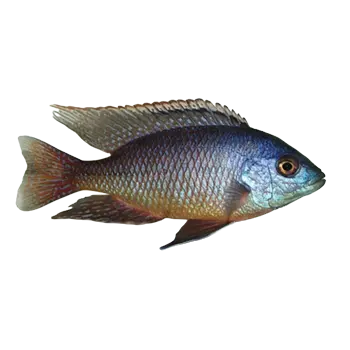

Breeding Readiness & Sexual Maturity

Haplochromis cichlids reach sexual maturity at different rates depending on the species, but most are capable of breeding between eight and fourteen months of age. Males typically show readiness first through the intensification of their breeding colors, increased territorial behavior, and the development of prominent egg spots on the anal fin. These egg spots play a crucial role in the fertilization process and become more vivid and well-defined as the male matures.

Females may be more difficult to assess for breeding readiness, as their physical changes are subtler. A mature female will appear slightly fuller in the abdomen compared to juveniles and will begin responding to male displays rather than fleeing from them. Her coloring may shift slightly, and she may begin exploring potential spawning sites within the tank. Not every female will breed on the same schedule, and some may take longer to reach reproductive maturity than their siblings.

Before attempting to breed Hap cichlids, ensure that your fish are in peak physical condition. Both the male and female should be well-fed on a varied, high-quality diet for several weeks leading up to spawning. Fish that are undernourished, stressed, or recovering from illness are less likely to produce viable eggs and may abandon the breeding process partway through.

It is also important to confirm that you are working with a compatible species pair. Hap cichlids from different species can and will hybridize in captivity, producing offspring that may be infertile or that muddy the genetic integrity of established species lines. Responsible breeders maintain species-specific groups and avoid mixing closely related Hap species in the same breeding setup.

Courtship & Spawning Behavior

The courtship display of a male Hap cichlid is one of the most visually dramatic behaviors in the freshwater aquarium hobby. The male selects a spawning site, typically a flat rock or cleared patch of substrate, and begins performing a shimmering dance to attract the attention of nearby females. His colors intensify to their maximum brilliance, and he vibrates his entire body while flaring his fins in rapid, rhythmic pulses.

When a receptive female approaches the spawning site, the male intensifies his display and attempts to lead her to the chosen location. The pair circles one another in a tightening spiral, with the female eventually depositing a small number of eggs on the substrate. She immediately turns and picks the eggs up in her mouth before the male circles back and presents his anal fin, where the egg spots serve as visual decoys. The female mouths at these spots, and in doing so takes in milt from the male, fertilizing the eggs within her buccal cavity.

This process repeats multiple times over the course of thirty minutes to two hours, with the female depositing small batches of eggs and collecting them each time. The total clutch size varies by species and the size of the female, ranging from as few as ten eggs in smaller species to over fifty in larger ones. The entire spawning sequence is delicate and can be interrupted by disturbances, aggressive tankmates, or sudden environmental changes.

Once spawning is complete, the female retreats to a sheltered area with her mouth visibly distended by the developing eggs. The male typically shows no further parental interest and may immediately begin courting another female. From this point forward, all parental investment rests with the mother, who will carry the eggs and developing fry for the next three weeks.

Mouthbrooding & Egg Development

Maternal mouthbrooding is the defining reproductive strategy of Haplochromis cichlids, and it is a remarkable feat of parental dedication. The female holds the fertilized eggs inside her buccal cavity for approximately eighteen to twenty-five days, depending on the species and water temperature. During this entire period, she does not eat, relying entirely on stored energy reserves to sustain herself while protecting her developing brood.

The eggs undergo dramatic changes during the brooding period. In the first few days, they transition from individual eggs into developing embryos with visible eye spots. By the second week, the embryos have absorbed most of their yolk and begun to take on the recognizable shape of tiny fish. The mother periodically churns the eggs inside her mouth, a behavior visible as a distinctive chewing motion, which ensures even oxygenation and prevents fungal growth on individual eggs.

The physical toll on the brooding female is significant. She will lose noticeable body mass during the three-week holding period, and her condition will appear thin and drawn compared to non-brooding females. This is entirely normal, but it underscores the importance of ensuring the female is in excellent condition before breeding begins. A female that enters the brooding period already underweight or stressed may spit the eggs prematurely, resulting in the loss of the brood.

Keepers who want to maximize fry survival can choose to strip the eggs from the mother at around the fourteen-day mark and transfer them to an artificial tumbler or a separate hatching container. Stripping reduces the physical stress on the female and allows her to recover and eat sooner, but it requires experience and gentle handling to avoid damaging the developing eggs or injuring the mother. Many hobbyists prefer to let nature take its course and allow the mother to release fry on her own terms.

Fry Release & Early Maternal Care

When the fry are fully developed and free-swimming, the mother releases them from her mouth. This event may happen all at once or gradually over the course of a day, with the female spitting out fry and occasionally recollecting them if she senses danger. In the wild, this release typically occurs near sheltered rocky areas where the fry can find immediate cover from predators.

In the aquarium, the timing of fry release can be influenced by the female's stress level and the activity of other tank inhabitants. A female in a busy community tank may hold her fry longer than one in a quiet breeding tank, as the perceived threat level affects her willingness to release. If you want to control the release timing, moving the female to a separate tank a few days before the expected release date gives her a calm environment where she can let the fry go without risk.

Newly released fry are surprisingly capable. They are fully formed, free-swimming, and ready to accept food within hours of release. The mother may continue to offer a degree of protection for the first day or two, allowing fry to retreat into her mouth when startled, but this behavior fades quickly. In most aquarium settings, the fry should be separated from the mother shortly after release to prevent accidental ingestion as her parental instincts wane.

The typical brood size for Hap cichlids ranges from a dozen to over forty fry, depending on the species and the size and experience of the mother. First-time mothers often produce smaller broods and may spit eggs prematurely or swallow some during the holding period. Breeding success generally improves with subsequent spawns as the female gains experience with the mouthbrooding process.

Breeding Tank Setup & Conditioning

A dedicated breeding tank gives you the most control over the spawning process and significantly improves fry survival rates. A tank of forty to seventy-five gallons works well for most Hap species, with a single male housed alongside three to five females. This ratio ensures the male's attention is distributed among multiple females, reducing the stress on any single individual.

The breeding tank should include flat rocks or slate tiles to serve as spawning surfaces, along with caves and rocky structures where brooding females can retreat in peace. A sand substrate allows the male to perform his natural nest-clearing behavior, which is an important component of the courtship ritual. Keep the decor functional rather than elaborate, as you will need to catch and move fish regularly.

Water conditions should be optimized before introducing breeding stock. Temperature between 78 and 82 degrees Fahrenheit, pH between 7.8 and 8.6, and moderate to high hardness create the ideal spawning environment. Some breeders find that a slight temperature increase of one to two degrees, combined with a large water change using slightly cooler water, can trigger spawning behavior in conditioned fish.

Conditioning the breeding group with high-quality, protein-rich foods for two to three weeks before the intended spawning period increases the likelihood of success. Frozen mysis shrimp, krill, and vitamin-enriched pellets promote egg development in females and vitality in males. Avoid overfeeding during conditioning, as bloated or obese fish are less likely to breed successfully and may experience health complications.

Responsible Breeding Ethics

Breeding African Cichlid Haps carries a responsibility that extends beyond simply producing fry. The freshwater aquarium hobby faces ongoing challenges with hybridization, and careless breeding practices contribute to the dilution of species integrity. Before breeding, confirm the exact species identification of your fish through reputable sources and avoid crossing different Hap species, no matter how closely related they may appear.

Have a plan for the fry before you breed. A single female Hap can produce dozens of fry per spawning, and spawning events can occur every four to six weeks under good conditions. Without a clear plan for raising, distributing, or rehoming the offspring, you can quickly become overwhelmed with more fish than you can properly house or care for. Local aquarium clubs, online fishkeeping communities, and specialty fish stores are potential outlets for quality offspring.

Avoid breeding fish with known health defects, deformities, or genetic weaknesses. While it can be tempting to breed a particularly colorful or large individual regardless of other traits, passing along genetic problems undermines the health of future generations. Select breeding stock based on overall health, correct body structure, appropriate species characteristics, and vibrant natural coloration.

Consider the conservation dimension of your breeding efforts. Many Hap species face serious threats in their native habitats due to pollution, invasive species, and habitat loss. Captive breeding programs maintained by dedicated hobbyists play a genuine role in preserving genetic diversity for species that may one day be lost in the wild. Participating in species maintenance programs organized by cichlid societies is one of the most meaningful contributions a hobbyist breeder can make to the long-term survival of these remarkable fish.

Always consult a qualified professional before making any health-related decisions. This content is provided for informational reference only and should not replace professional guidance specific to your animal.