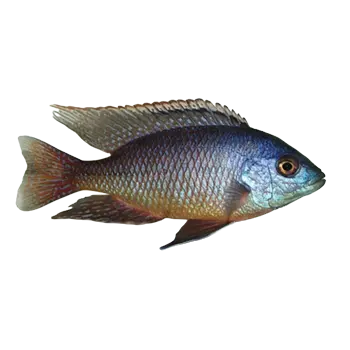

Peak Health & Coloration

Adult Haplochromis cichlids in their prime are among the most visually stunning freshwater fish available to aquarists. Males display their full spectrum of color during this stage, with brilliant blues, golds, reds, and oranges that intensify during breeding displays and territorial interactions. This peak coloration is a reliable indicator of overall health, as stressed or unhealthy fish will show washed-out or dull colors even during their prime years.

Maintaining vibrant coloration requires a combination of proper nutrition, stable water chemistry, and appropriate social conditions. Color-enhancing foods that contain natural carotenoids and astaxanthin can help bring out the best in your Hap cichlids without resorting to artificial dyes. Spirulina-supplemented pellets and frozen foods rich in natural pigments contribute to sustained color intensity over time.

The adult stage typically spans from around twelve to eighteen months of age through year six or seven, depending on the species and individual genetics. During this period, the fish are at their most active, most colorful, and most behaviorally complex. They establish and maintain territories, engage in elaborate courtship rituals, and display the full range of social intelligence that makes cichlids so fascinating to keep.

Regular observation remains important even when your fish appear healthy and thriving. Subtle changes in color intensity, feeding enthusiasm, or social behavior can be early warning signs of developing problems. Knowing what your fish look like at their best gives you a valuable baseline for detecting deviations before they become serious health issues.

Nutrition at Maturity

Adult Hap cichlids require a well-balanced diet that supports their active metabolism without promoting obesity or digestive problems. A high-quality cichlid pellet appropriate for their size should form the dietary foundation, supplemented with frozen and occasional live foods for variety. Most adult Haps do well on one to two feedings per day, with each meal sized so that all food is consumed within about two minutes.

Protein remains an important component of the adult Hap diet, reflecting their predatory or omnivorous nature in the wild. Frozen mysis shrimp, krill, and silversides provide excellent protein sources. Whole silversides or larger food items can be offered to bigger Hap species, which enjoy the enrichment of tearing apart a food item rather than simply swallowing pellets.

Incorporate one or two fasting days per week into your feeding schedule. Fasting gives the digestive system a rest and helps prevent the accumulation of internal fat that can lead to organ problems over time. Many experienced cichlid keepers find that their fish are actually more enthusiastic eaters and display better overall condition when fasting days are part of the routine.

Avoid monotony in the diet. Even if your fish readily accept a single type of pellet, rotating through several high-quality foods ensures a broader nutritional profile. Seasonal variation in frozen food offerings, such as alternating between mysis shrimp, daphnia, and bloodworms on different days, keeps the fish engaged and provides micronutrients that no single food can supply on its own.

Tank Maintenance & Water Quality

Consistent tank maintenance is the cornerstone of long-term success with adult Hap cichlids. Weekly water changes of twenty-five to thirty percent keep nitrate levels low and replenish essential minerals that buffer the alkaline pH these fish require. Use a water conditioner that neutralizes chlorine and chloramine, and match the temperature of replacement water to the tank to avoid thermal shock.

Filter maintenance should follow a rotating schedule rather than cleaning all media at once. Rinse mechanical filtration media in old tank water every two to four weeks, and replace chemical filtration media according to the manufacturer's recommendations. Biological media should be disturbed as little as possible to preserve the beneficial bacteria colonies that process waste. A sudden crash in biological filtration can cause dangerous ammonia spikes even in a well-established tank.

Substrate vacuuming during water changes removes accumulated detritus and uneaten food that can contribute to poor water quality. Pay particular attention to areas behind rockwork and in corners where debris tends to collect. In tanks with sand substrate, gently stirring the top layer during water changes prevents anaerobic pockets from forming, which can release toxic hydrogen sulfide gas.

Monitor pH and hardness regularly, as these parameters can drift over time, especially in areas with soft tap water. Crushed coral or aragonite substrate can help maintain the alkaline conditions that Hap cichlids require. If your water source is significantly different from ideal Rift Lake conditions, consider using a commercial buffer designed specifically for African cichlid tanks to maintain stability between water changes.

Preventive Health Care

Prevention is always preferable to treatment when it comes to adult Hap cichlid health. The foundation of preventive care is maintaining optimal water quality, providing a balanced diet, and minimizing stress through appropriate stocking and tank design. Fish kept under these conditions develop strong immune systems that can resist most common pathogens without intervention.

Quarantine protocols are essential for any new additions to an established adult Hap community. Every new fish should spend a minimum of two to four weeks in a separate quarantine tank before being introduced to the display tank. This isolation period allows you to observe the newcomer for signs of disease, parasites, or behavioral problems that could affect your established fish. The small investment in a quarantine setup pays for itself many times over by preventing disease outbreaks.

Keep an eye out for the most common ailments in adult Haps, including ich, Malawi bloat, and hole-in-the-head disease. Hole-in-the-head, which presents as pitting lesions on the head and lateral line, is often associated with poor water quality, nutritional deficiencies, or the overuse of activated carbon in filtration. Addressing the underlying cause is more effective than treating the symptom alone.

Maintain a log of water parameters, feeding schedules, and any behavioral observations. This record becomes invaluable when troubleshooting health issues, as it allows you to identify correlations between environmental changes and the onset of symptoms. Even simple notes taken during weekly maintenance can reveal patterns that would otherwise go unnoticed.

Behavioral Maturity & Aggression Management

Fully mature Hap cichlids exhibit complex social behaviors that are both fascinating and challenging to manage. Dominant males maintain and defend territories with vigor, engaging in displays that include flared fins, lateral body presentations, and intense color changes. These displays are a natural part of cichlid social life and should not be suppressed, but they do require management to prevent escalation into damaging aggression.

Overstocking is a commonly recommended strategy for managing aggression in African cichlid tanks, and it can be effective when done correctly. The principle is that spreading aggression across many targets prevents any single fish from bearing too much abuse. However, overstocking requires proportionally stronger filtration, more frequent water changes, and careful monitoring to ensure water quality does not suffer. It is a balance that requires experience and attentiveness.

Females in a mature Hap community also have their own social hierarchy, though it is typically less overt than male competition. Dominant females may chase subordinates away from preferred feeding or resting spots. Ensuring that the tank has enough territory and hiding spaces for all individuals, regardless of sex, reduces chronic stress that can lead to immune suppression and disease.

Rehoming or separating persistently hyper-aggressive individuals is sometimes the only viable solution. Not every male is suited to community life, and a single excessively aggressive fish can destabilize an entire tank. Having a plan for managing surplus males, whether through a dedicated bachelor tank, trade with other hobbyists, or rehoming through local aquarium clubs, is a practical necessity for anyone keeping adult Hap cichlids.

Tank Aesthetics & Long-Term Setup

An adult Hap cichlid tank is an opportunity to create a stunning display that showcases these fish at their best. The ideal setup mimics the rocky coastline and open water habitats of the African Rift Lakes, with stacked rock formations providing territory markers and visual barriers, complemented by open swimming lanes that allow the fish to cruise and display.

Choose rocks that are smooth and free of sharp edges, as adult Haps can injure themselves during aggressive chasing. Lava rock, limestone, and ocean rock are popular choices that also contribute to maintaining alkaline water chemistry. Stack rocks securely, ensuring they rest on the tank bottom rather than on the substrate, to prevent collapses caused by digging fish undermining the foundation.

Live plants are generally not practical in Hap cichlid tanks, as most species will uproot or eat them. Hardy species such as Anubias or Java Fern attached to rocks can sometimes survive, but most keepers opt for a rock-only aquascape or use high-quality artificial plants for added visual interest. The natural colors of the fish themselves provide more than enough visual appeal.

Lighting plays a significant role in how your adult Haps appear. Full-spectrum LED lighting with adjustable color temperature allows you to fine-tune the appearance of both the fish and the rockwork. Many keepers find that slightly blue-shifted lighting enhances the appearance of blue-toned Hap species, while warmer tones complement red and yellow varieties. A programmable light timer that simulates a natural sunrise and sunset cycle reduces stress and encourages natural behavior patterns throughout the day.

Always consult a qualified professional before making any health-related decisions. This content is provided for informational reference only and should not replace professional guidance specific to your animal.