
Peak Health Maintenance

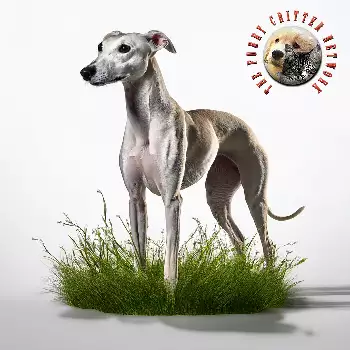
The adult Whippet, typically from around two to eight years of age, is a picture of athletic elegance and vibrant health. This is the period when the breed's natural resilience is at its highest, and with proper care, most Whippets enjoy these years with minimal health complications. However, maintaining this peak condition requires ongoing attention to the fundamentals of good care rather than a passive assumption that a healthy dog will stay healthy without effort.

Annual veterinary wellness examinations form the cornerstone of preventive health for the adult Whippet. These visits allow the veterinarian to detect subtle changes in weight, heart function, dental condition, and overall body condition that might escape notice at home. Bloodwork panels, urinalysis, and fecal testing performed at regular intervals establish baseline values that prove invaluable if health problems arise later. Whippets are generally a hardy breed, but they can be affected by cardiac conditions, eye disorders, and certain autoimmune issues that benefit from early detection.

Parasite prevention should be maintained year-round in most climates. Heartworm prevention is particularly important, as treatment for heartworm disease is far more costly, risky, and uncomfortable than prevention. Flea and tick prevention protects against both the parasites themselves and the diseases they can transmit. The specific products used should be discussed with the veterinarian, as some sighthound breeds have sensitivities to certain antiparasitic compounds.

Vaccination schedules for adult dogs are typically less frequent than during puppyhood, with core vaccines administered on a three-year cycle in many cases. The veterinarian will recommend an appropriate schedule based on the dog's lifestyle, geographic risk factors, and local regulations. Keeping vaccination records current is important for boarding, grooming, and travel purposes.

Nutrition at Maturity

Feeding the adult Whippet is relatively straightforward once the dog has reached full physical maturity, but a few breed-specific considerations deserve attention. Whippets have a naturally high metabolism relative to their body size, and they require a calorie-dense diet that supports lean muscle maintenance without promoting excess weight. A high-quality adult dog food with animal protein as the primary ingredient and a moderate fat content generally meets these needs well.

Portion control is important even though obesity is less common in Whippets than in many other breeds. The ideal body condition for a Whippet includes visible waist definition when viewed from above, a tucked abdomen when viewed from the side, and ribs that can be easily felt with light pressure but are not prominently visible at rest. Because Whippets are naturally lean, owners sometimes overfeed in response to comments from well-meaning friends or strangers who believe the dog looks too thin. Learning to assess body condition accurately prevents this well-intentioned overcorrection.

Two meals per day is the recommended feeding schedule for most adult Whippets. This approach supports stable blood sugar levels and reduces the risk of gastric issues. Some owners prefer to add a small amount of fresh food such as cooked lean meat, plain vegetables, or a splash of bone broth to the kibble for variety and palatability. Any dietary additions should be factored into the total daily caloric allowance to prevent gradual weight gain.

Fresh, clean water should be available at all times. Whippets are generally moderate drinkers, but water intake naturally increases with exercise and warm weather. Monitoring water consumption can also serve as a health indicator, as sudden increases or decreases may signal underlying medical issues worth investigating.

Exercise & Fitness

The adult Whippet is a dual-natured companion, capable of explosive athletic performance and equally committed to extended lounging on the sofa. This balance between energy and relaxation is one of the breed's most appealing qualities, but it does require that owners provide adequate opportunity for both. A Whippet that does not receive sufficient exercise will find outlets for its energy that the owner may not appreciate, while one that is never allowed to rest becomes stressed and irritable.

Daily exercise for an adult Whippet should include at least one opportunity for free running in a safely enclosed space. The chance to sprint at full speed is not merely a luxury for this breed but a fundamental need tied to their physical and psychological well-being. A securely fenced yard, a rented dog park, or access to a lure coursing facility all provide appropriate venues. Fencing should be a minimum of five feet high, and the area should be inspected for escape routes, as Whippets can fit through surprisingly small gaps.

Leash walks serve a different but complementary purpose, providing mental stimulation through scent exploration and environmental exposure. A brisk thirty- to forty-five-minute walk once or twice daily, combined with off-leash running opportunities, typically meets the exercise needs of most adult Whippets. Activities such as lure coursing, agility, rally obedience, and flyball offer excellent outlets for the breed's athleticism and can strengthen the bond between dog and owner.

It is important to be aware of environmental conditions during exercise. Whippets have very thin skin and minimal body fat, making them vulnerable to both cold and heat extremes. In winter, a well-fitted coat is essential for outdoor activity. In summer, exercise should be scheduled during the cooler parts of the day, and the dog should always have access to shade and water. Hot pavement can burn the thin pads of a Whippet's feet, so testing surface temperature before walks is a good habit.

Preventive Health Care

Beyond routine veterinary visits and vaccinations, preventive health care for the adult Whippet encompasses several breed-relevant areas that deserve specific attention. Cardiac health is a priority, as Whippets can be affected by mitral valve disease and arrhythmias. An annual cardiac auscultation, and periodic echocardiograms for dogs used in breeding or those with murmurs, helps monitor heart function over time.

Eye health is another area of focus. Progressive retinal atrophy and other heritable eye conditions have been documented in the breed. Annual ophthalmic examinations by a board-certified veterinary ophthalmologist are recommended, particularly for dogs in breeding programs. Early detection of lens changes, retinal degeneration, or other abnormalities allows for appropriate management and informed breeding decisions.

Whippets are among the sighthound breeds known to have unique physiological characteristics that affect medical care. Their body fat percentage is lower and their liver enzyme metabolism differs from many other breeds. These differences can influence drug dosing, anesthetic protocols, and the interpretation of blood test results. Working with a veterinarian who understands sighthound physiology or providing educational resources about these breed-specific differences is an important advocacy step for every Whippet owner.

Skin health deserves attention as well. The Whippet's thin skin is prone to lacerations, abrasions, and sunburn. Inspecting the skin regularly for cuts, lumps, or irritation allows early treatment of minor wounds and timely investigation of any unusual growths. Sunscreen formulated for dogs can be applied to exposed areas such as the belly and inner thighs during extended outdoor time in sunny conditions.

Behavioral Maturity

By the age of two to three years, most Whippets have settled into their adult temperament, and the impulsive, boundary-testing behaviors of adolescence have largely faded. The mature Whippet is typically a calm, affectionate, and adaptable companion that bonds deeply with its family. They are known for their quiet nature indoors, rarely barking without reason, and their gentle demeanor makes them well suited to a variety of living situations, from apartments to large homes.

Despite their calm indoor presence, adult Whippets retain a strong prey drive that remains a management consideration throughout their lives. The instinct to chase small, fast-moving animals is deeply ingrained and cannot be reliably trained away. Responsible management includes secure fencing, leash walking near roads and wildlife areas, and vigilance during off-leash activities. Many Whippet owners find that channeling the prey drive into structured activities like lure coursing provides a satisfying and safe outlet.

Separation anxiety can be a concern in the breed, as Whippets form strong attachments to their people. Gradual training for alone time, providing comfort items and food puzzles during absences, and maintaining a calm departure and arrival routine can help prevent or manage separation-related stress. In multi-dog households, Whippets often draw comfort from canine companionship, and many breed enthusiasts find that a second Whippet or compatible companion dog reduces anxiety-related behaviors.

The adult years are also an excellent time to introduce or continue structured activities that engage the Whippet's mind and body. Nose work, trick training, and therapy dog certification are all well suited to the breed's gentle temperament and willingness to engage with their handler. Continued socialization, including regular exposure to new people and environments, helps maintain the confidence and adaptability that define a well-adjusted adult Whippet.

Dental & Grooming

Grooming the adult Whippet is one of the simpler aspects of care for this low-maintenance breed, but it should not be neglected entirely. Their short, smooth coat requires only a weekly brushing with a soft bristle brush or grooming mitt to remove loose hair and distribute natural skin oils. Whippets shed moderately throughout the year with slight seasonal increases, and regular brushing keeps this manageable. Bathing is needed only occasionally, when the dog is visibly dirty or has developed an odor, as over-bathing strips the coat of beneficial oils.

Dental care, however, deserves far more attention than it often receives. Periodontal disease is one of the most common health problems in dogs of all breeds, and Whippets are no exception. Daily tooth brushing with a canine-specific toothpaste is the gold standard for dental hygiene. If daily brushing is not feasible, a minimum of three to four times per week provides meaningful protection against plaque and tartar buildup. Dental chews and water additives can supplement but should not replace mechanical brushing.

Professional dental cleanings under anesthesia may be recommended by the veterinarian based on the condition of the teeth and gums. Whippets, as sighthounds, require careful anesthetic management due to their unique metabolism and low body fat. A veterinarian experienced with sighthound anesthesia should be selected for any procedure requiring sedation. Signs of dental problems include bad breath, reluctance to eat hard food, drooling, and visible tartar accumulation on the teeth.

Nail care is another routine grooming task that directly affects the Whippet's comfort and soundness. Nails should be trimmed regularly, typically every two to three weeks, to prevent overgrowth that can alter the dog's gait and cause discomfort. Many Whippets are sensitive about having their feet handled, so introducing nail trimming gradually with positive associations from puppyhood makes the process easier throughout adulthood. Ear cleaning should be performed as needed, with a gentle veterinary-approved ear cleaner, checking for signs of redness, discharge, or odor that may indicate infection.

Always consult a qualified professional before making any health-related decisions. This content is provided for informational reference only and should not replace professional guidance specific to your animal.