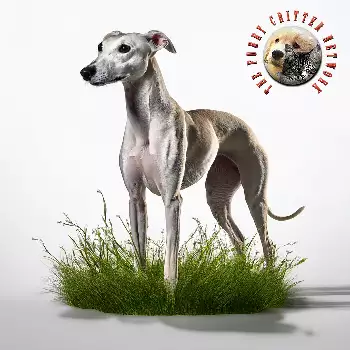

Determining when a Whippet officially enters the senior stage of life is not as simple as picking a specific birthday. As a medium-sized breed with a relatively long lifespan, Whippets typically begin showing the first signs of aging between eight and ten years of age, though individual variation is significant. Some Whippets remain remarkably sprightly well into double digits, while others may slow down somewhat earlier depending on genetics, health history, and overall care throughout their lives.
The transition into senior status is usually gradual rather than sudden. Early indicators may include a slight decrease in energy during walks, a tendency to sleep more deeply and for longer periods, and a mild reduction in enthusiasm for vigorous play. The once-explosive sprints in the yard may become shorter, with longer recovery periods. These changes are natural and should be met with understanding and accommodation rather than concern, provided they occur gradually and without accompanying signs of pain or illness.
Veterinary professionals generally recommend transitioning to a senior wellness protocol around age eight for Whippets. This typically involves increasing the frequency of veterinary examinations to twice per year and expanding the scope of routine bloodwork to screen for early signs of kidney, liver, thyroid, and cardiac changes. Catching age-related conditions early significantly improves the chances of successful management and can add comfortable years to the dog's life.
It is worth emphasizing that the word senior does not mean the dog's best days are behind it. Many Whippets continue to enjoy active, happy lives well into their senior years. The goal of senior care is not to slow the dog down but to support its continued health and comfort so that it can enjoy the things it loves for as long as possible.