
Peak Health Maintenance

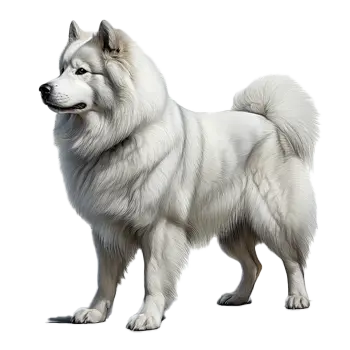
A Samoyed reaches full physical maturity between 18 months and two years of age and enters a period of peak vitality that typically lasts until around seven or eight years. During these prime years, the breed's characteristic energy, sociability, and enthusiasm for life are on full display. Maintaining this vitality requires consistent attention to the fundamentals of good health care.

Annual veterinary examinations are the cornerstone of preventive health during the adult years. These visits allow your veterinarian to assess your Samoyed's overall condition, update vaccinations as needed, and catch subtle changes that might indicate developing problems. Blood work, urinalysis, and other baseline diagnostics performed during routine visits establish reference points that become invaluable as your dog ages.

Samoyeds are predisposed to several breed-specific health concerns that warrant monitoring throughout adulthood. Hip dysplasia, progressive retinal atrophy, and Samoyed hereditary glomerulopathy are among the conditions that can emerge or progress during the adult years. Regular screening and awareness of early symptoms allow for timely intervention and management.

Parasite prevention should continue year-round during adulthood. Heartworm, flea, and tick prevention are essential regardless of geographic location, as these parasites pose serious health risks. Your veterinarian can recommend a prevention protocol appropriate for your region and your dog's lifestyle.

Nutrition at Maturity

Feeding an adult Samoyed well means providing balanced nutrition that sustains energy and maintains a healthy body condition without promoting excess weight. A high-quality adult dog food appropriate for medium to large breeds serves as the foundation of the diet. The specific caloric needs of your Samoyed will depend on factors including activity level, metabolism, and whether the dog has been spayed or neutered.

Most adult Samoyeds do well on two measured meals per day. This approach supports stable blood sugar levels and helps prevent the bloat that can affect deep-chested breeds. Feeding at consistent times and allowing a rest period after meals are simple precautions that reduce bloat risk.

Body condition should be monitored regularly using both visual assessment and hands-on evaluation. You should be able to feel your Samoyed's ribs without pressing hard, and the dog should have a visible waist when viewed from above. The breed's heavy coat can obscure weight changes, making hands-on checks particularly important. Even a few extra pounds can place unnecessary stress on joints and organs over time.

Dietary adjustments may be needed at various points during adulthood. Highly active Samoyeds participating in activities like hiking, sledding, or agility may require more calories, while less active household companions may need caloric restriction to maintain optimal weight. Seasonal changes in activity level, particularly in warmer climates where summer exercise is reduced, may also necessitate adjustments to portion sizes.

Exercise & Fitness

Adult Samoyeds are an active, athletic breed that requires regular physical exercise to maintain both physical and mental health. A minimum of one to two hours of daily activity is typical for the breed, though individual needs vary. This exercise can be broken into multiple sessions throughout the day, combining structured walks with off-leash play, training activities, or canine sports.

The Samoyed's working heritage makes the breed well-suited to a variety of activities beyond simple leash walks. Sledding and skijoring are natural fits for the breed and provide excellent physical conditioning during colder months. Hiking on varied terrain engages both body and mind and satisfies the breed's love of exploration. Agility, rally obedience, and herding trials are competitive options that channel the Samoyed's intelligence and athleticism.

Heat management remains a consideration throughout adulthood. The Samoyed's dense double coat provides insulation against both cold and heat, but the breed is undeniably more comfortable in cooler temperatures. During warm weather, exercise should be limited to cooler parts of the day, fresh water should always be available, and owners should be alert for signs of heat stress. Never shave a Samoyed's coat as a heat management strategy, as the double coat actually provides protection from sunburn and helps regulate temperature.

Consistency in exercise routines benefits adult Samoyeds both physically and behaviorally. Dogs that receive regular, adequate exercise are less prone to destructive behaviors, excessive barking, and restlessness. A Samoyed that is consistently underexercised will find its own outlets for energy, and those outlets are rarely aligned with the owner's preferences.

Preventive Health Care

Preventive care during the adult years extends beyond annual veterinary visits and vaccinations. A comprehensive approach to your Samoyed's health includes attention to vaccinations, parasite control, dental care, and screening for breed-specific conditions on an ongoing basis.

Vaccination protocols during adulthood typically shift from annual boosters for core vaccines to a three-year cycle based on current veterinary guidelines. Non-core vaccines such as those for Bordetella, Lyme disease, or canine influenza may be recommended based on your dog's risk factors, which include geographic location, boarding frequency, and exposure to other dogs. Your veterinarian can tailor a vaccination schedule to your Samoyed's specific needs.

Regular urinalysis is particularly important for Samoyeds due to the breed's susceptibility to hereditary glomerulopathy, a kidney condition that can progress silently before symptoms become apparent. Baseline kidney function tests during early adulthood establish reference values that help detect changes over time. Early detection of kidney issues allows for dietary and medical interventions that can slow disease progression.

Eye examinations by a veterinary ophthalmologist are recommended periodically for Samoyeds, given the breed's predisposition to progressive retinal atrophy and other ocular conditions. These specialized exams can detect changes in the retina and lens before they affect the dog's vision, allowing for proactive management.

Behavioral Maturity

Most Samoyeds reach behavioral maturity between two and three years of age, settling into the steady, affable temperament for which the breed is known. The impulsiveness and boundary-testing of adolescence give way to a more predictable and reliable companion, though the breed retains its playful spirit and sense of humor throughout life.

The adult Samoyed's social nature means the breed thrives on regular interaction with its family. These are not dogs that do well when left alone for extended periods. Separation anxiety can be a concern for the breed, and owners who work long hours should make arrangements for midday company, whether through dog walkers, doggy daycare, or a compatible companion animal.

While the adult Samoyed is generally more settled than its adolescent counterpart, the breed's intelligence demands ongoing mental engagement. Dogs that are not provided with adequate mental stimulation may develop nuisance behaviors including digging, barking, and creative escape attempts. Continuing training throughout adulthood, introducing new tricks and commands, and rotating puzzle toys help keep the Samoyed's active mind occupied.

The breed's natural watchdog tendencies are fully expressed during adulthood. Samoyeds are alert and will bark to announce visitors or unusual activity, but they are not guard dogs in the traditional sense. Their friendliness toward strangers typically overrides any protective instinct once they have announced the arrival. Managing barking through training rather than punishment preserves the breed's natural alertness while maintaining household peace.

Dental & Grooming

Grooming an adult Samoyed is a significant commitment that should not be underestimated. The breed's thick double coat requires thorough brushing at least two to three times per week during normal periods and daily attention during the heavy shedding seasons that occur roughly twice per year. A combination of a slicker brush, an undercoat rake, and a metal comb is typically needed to work through all layers of the coat.

Bathing should be done as needed, generally every six to eight weeks, using a dog-specific shampoo that does not strip the coat's natural oils. The Samoyed's coat is naturally dirt-resistant, and over-bathing can cause dryness and irritation. Thorough drying after bathing is essential, as moisture trapped in the dense undercoat can lead to skin problems including hot spots and fungal infections. A high-velocity dryer is a worthwhile investment for Samoyed owners.

Dental health is a frequently overlooked aspect of overall wellness that deserves consistent attention throughout the adult years. Periodontal disease is one of the most common health problems in dogs, and it has been linked to systemic issues affecting the heart, liver, and kidneys. Daily tooth brushing with a dog-safe toothpaste is the gold standard, supplemented by dental chews and professional cleanings as recommended by your veterinarian.

Nail trimming, ear cleaning, and paw pad maintenance round out the grooming routine. Nails should be trimmed regularly to prevent discomfort and gait problems. Ears should be checked weekly for signs of infection including redness, odor, or discharge, and cleaned as needed. In winter, paw pads may crack from cold and salt exposure, and a protective balm can help maintain their integrity.

Always consult a qualified professional before making any health-related decisions. This content is provided for informational reference only and should not replace professional guidance specific to your animal.