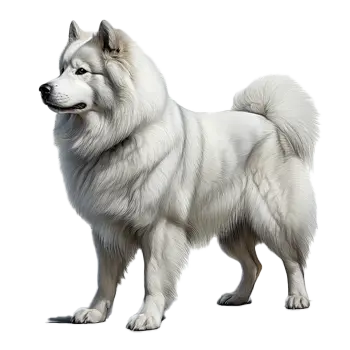

Determining when a Samoyed transitions into the senior stage is not governed by a single date on the calendar but rather by a combination of breed characteristics, individual health, and observable changes. As a medium to large breed with a lifespan of 12 to 14 years, most Samoyeds are considered to enter their senior years around eight to nine years of age, though some individuals may show signs of aging earlier or later.
The onset of senior status is often gradual rather than sudden. You may notice that your Samoyed takes a little longer to get up from a resting position, shows slightly less enthusiasm for extended hikes, or sleeps more deeply and for longer periods. These subtle shifts in energy and mobility are among the earliest indicators that your dog is beginning to transition into the senior phase.
Genetics play a significant role in how gracefully a Samoyed ages. Dogs from lines with a history of longevity and robust health tend to maintain their vitality longer than those from lines prone to early-onset conditions. However, the quality of care a dog receives throughout its life — including nutrition, exercise, preventive veterinary care, and mental stimulation — also profoundly influences the aging process.
Recognizing the transition to senior status is important because it signals the need for adjustments in care, including more frequent veterinary evaluations, dietary modifications, and changes to exercise routines. Approaching these adjustments proactively rather than reactively gives your Samoyed the best chance of maintaining quality of life throughout the senior years.