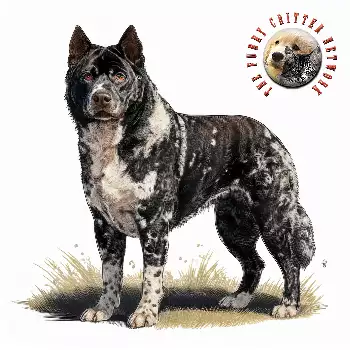

Peak Health Maintenance

The Mudi reaches full physical maturity between eighteen months and two years of age, entering its prime adult years. This period, which extends roughly until age seven or eight, represents the Mudi at its best — physically capable, mentally sharp, and emotionally bonded with its family. Maintaining peak health during these years requires a proactive approach that combines regular veterinary care, appropriate nutrition, consistent exercise, and attentive daily observation.

Annual wellness examinations are the cornerstone of preventive health care for the adult Mudi. These visits provide an opportunity for the veterinarian to perform a thorough physical examination, update vaccinations based on the dog's lifestyle and risk factors, and run baseline blood work that can detect emerging health issues before they become symptomatic. The Mudi is generally a healthy and robust breed, but no breed is immune to the wear and tear that accumulates over time, and early detection is always preferable to reactive treatment.

Parasite prevention should be maintained year-round in most climates. This includes protection against fleas, ticks, heartworm, and intestinal parasites through veterinarian-recommended preventive products. The Mudi's active outdoor lifestyle, which often includes hiking, herding, and exploring rural environments, can increase its exposure to parasites and the diseases they carry. Lyme disease, ehrlichiosis, and anaplasmosis are tick-borne illnesses that can cause serious health problems if not prevented or caught early.

Daily observation by the owner is one of the most valuable health maintenance tools available. Noticing subtle changes in appetite, energy level, gait, water intake, urination patterns, or behavior can provide early clues to developing health issues. The Mudi is a stoic breed that may not display obvious signs of pain or illness until a condition has advanced, making the owner's familiarity with the individual dog's normal baseline critically important.

Nutrition at Maturity

Feeding the adult Mudi is relatively straightforward compared to the more complex nutritional demands of puppyhood, but it still requires attention and periodic adjustment. A high-quality adult dog food formulated for medium-sized, active breeds provides the foundation for good nutrition during the prime years. The food should list a named animal protein as the first ingredient and should be free of artificial colors, flavors, and unnecessary fillers.

Portion control is essential for maintaining the Mudi at a healthy weight. Despite their high activity levels, Mudis can gain excess weight if fed more calories than they burn, and even a few extra pounds on a medium-sized frame can stress joints and organs. Most adult Mudis do well on two meals per day, with the total daily amount determined by the individual dog's weight, activity level, and metabolism. Feeding guidelines on commercial food packaging provide a starting point but should be adjusted based on the dog's body condition rather than followed rigidly.

The ideal body condition for an adult Mudi includes a clearly defined waist when viewed from above, a visible abdominal tuck when viewed from the side, and ribs that can be easily felt under a thin layer of muscle and fat. If the ribs are prominently visible, the dog may be underweight. If they are difficult to find beneath a layer of padding, the dog is carrying too much weight. Regular body condition assessments help owners catch gradual weight changes that might otherwise go unnoticed.

Fresh water should be available at all times, and intake typically increases with activity level and warm weather. Some owners choose to enhance their Mudi's diet with fresh food additions such as lean cooked meats, vegetables, or fish, which can provide variety and supplemental nutrition. Any dietary additions should be introduced gradually and should not exceed roughly ten to fifteen percent of the total diet to avoid unbalancing the nutritional profile of the primary food.

Exercise & Fitness

The adult Mudi is an athlete that thrives with regular, vigorous exercise and becomes restless and difficult to live with when under-exercised. This breed was developed to work all day on Hungarian farms, managing flocks and performing a variety of tasks that demanded speed, stamina, agility, and quick thinking. While most pet Mudis do not have livestock to manage, they still carry the drive and physical capacity of a working dog and need outlets that honor those traits.

A minimum of sixty to ninety minutes of active exercise per day is a reasonable baseline for most adult Mudis, though many individuals happily accept more. This should include a combination of aerobic activity such as running, hiking, or vigorous fetch sessions and structured mental challenges such as training drills, scent work, or puzzle solving. The Mudi excels in organized dog sports including agility, obedience, rally, flyball, disc dog, and herding trials, and participation in any of these activities provides both physical exercise and the mental engagement this breed craves.

Off-leash exercise in safe, enclosed areas is ideal for the Mudi, as it allows the dog to run at full speed and engage in the kind of spontaneous, joyful movement that a leash walk simply cannot replicate. However, the Mudi's herding instincts and prey drive mean that off-leash freedom in unfenced areas should only be allowed if the dog has a thoroughly reliable recall. Even well-trained Mudis can be tempted by a running squirrel or a group of children playing, so environmental awareness and good judgment are always necessary.

Rest and recovery are also important components of a fitness routine. While the Mudi has impressive stamina, muscle recovery requires downtime, and dogs that are exercised intensively every day without rest can develop overuse injuries over time. One or two lighter days per week, featuring gentle walks and enrichment activities rather than hard running, support long-term joint and muscle health.

Preventive Health Care

Preventive health care during the adult years focuses on maintaining the robust health the Mudi typically enjoys while catching any developing conditions as early as possible. Annual veterinary examinations should include a comprehensive physical evaluation covering the heart, lungs, eyes, ears, teeth, skin, lymph nodes, abdomen, and musculoskeletal system. Routine blood work including a complete blood count and chemistry panel provides valuable insight into organ function and metabolic health.

Vaccination protocols for the adult Mudi should be tailored to the individual dog's lifestyle and risk exposure. Core vaccines such as rabies and the distemper-parvo combination are typically administered on a schedule determined by local regulations and the vaccine manufacturer's guidelines. Non-core vaccines including those for leptospirosis, Lyme disease, Bordetella, and canine influenza should be discussed with the veterinarian based on the dog's geographic location, boarding frequency, and exposure to wildlife or standing water.

The Mudi is generally a breed with few genetic health concerns, but responsible owners should remain aware of conditions that have been reported in the breed. Hip dysplasia, elbow dysplasia, patellar luxation, and certain eye conditions have been documented, though at relatively low rates compared to many other breeds. Periodic screening, particularly for dogs that are active in sports or showing any signs of lameness or discomfort, helps ensure early intervention if these conditions do develop.

Skin and coat health deserve attention as well. The Mudi's wavy to curly coat can harbor foxtails, burrs, and ticks, particularly after outdoor excursions. Post-activity coat checks should become routine, and any embedded foreign material should be carefully removed. Ear health is another area to monitor, as the Mudi's ear shape can vary and dogs with heavier ear leather may be more prone to moisture retention and ear infections.

Behavioral Maturity

By the time the Mudi reaches full adulthood, most of the behavioral turbulence of adolescence has settled, and the dog's core personality is well established. The adult Mudi is typically a loyal, affectionate, and highly attentive companion that forms a deep bond with its primary handler while remaining friendly and engaged with the broader family. This breed's intelligence and sensitivity make it exceptionally attuned to human emotions and household dynamics.

The Mudi's alertness, a trait bred into the breed over centuries of farm work, means that adult dogs remain vigilant watchers of their environment. This makes them excellent watchdogs that will reliably announce visitors or unusual activity, but it can also manifest as excessive barking if not managed through training. Teaching the Mudi a quiet command and providing it with enough activity to prevent boredom-driven barking are important ongoing management strategies.

While the adult Mudi is generally more settled than its adolescent self, this breed never truly becomes a couch potato. The drive to work, solve problems, and engage with its owner persists throughout the prime years and is one of the breed's most defining and appealing characteristics. Owners who continue to challenge their Mudi with new skills, activities, and experiences will be rewarded with a deeply fulfilled dog that is a pleasure to live with.

Some adult Mudis may display herding behavior directed at children, other pets, or even moving vehicles. This is an instinctive behavior rather than an aggressive one, but it can be problematic if not redirected. The nipping, circling, and body blocking that are valued in a working herding context are not appropriate in a household setting. Consistent redirection to appropriate activities, combined with management of situations that trigger herding impulses, helps the Mudi understand the boundaries between its instincts and domestic life.

Dental & Grooming

Dental health is one of the most frequently overlooked aspects of adult dog care, yet it has a significant impact on overall health and longevity. Periodontal disease is one of the most common health conditions in adult dogs and can lead to pain, tooth loss, bacterial infection, and damage to the heart, kidneys, and liver if left untreated. A proactive dental care routine for the adult Mudi should include daily tooth brushing with a dog-specific toothpaste, regular veterinary dental assessments, and professional cleanings as recommended.

Daily brushing is the gold standard for at-home dental care. Using a soft-bristled brush or finger brush designed for dogs, the owner should gently clean all tooth surfaces, paying particular attention to the outer surfaces of the upper premolars and molars, where plaque and tartar tend to accumulate most heavily. Dental chews and water additives can provide supplemental cleaning but should not be relied upon as the primary form of dental care.

The Mudi's coat, while not as high-maintenance as that of some breeds, does require regular grooming to remain healthy and attractive. A thorough brushing two to three times per week prevents tangles and mats, removes loose hair, and distributes natural skin oils throughout the coat. During seasonal coat changes, which typically occur in spring and fall, more frequent brushing may be needed as the undercoat sheds out. Bathing should be done as needed, generally every four to eight weeks or after particularly messy outdoor adventures, using a mild dog shampoo that will not strip the coat of its natural oils.

Nail trimming should be performed regularly, typically every two to four weeks depending on how quickly the individual dog's nails grow and how much they are naturally worn down through activity. Overgrown nails can alter the dog's gait and lead to discomfort or even structural problems over time. If the Mudi resists nail trimming, gradual desensitization using positive reinforcement and high-value treats can help build tolerance. Some owners find that a rotary nail grinding tool is better accepted than traditional clippers.

Always consult a qualified professional before making any health-related decisions. This content is provided for informational reference only and should not replace professional guidance specific to your animal.