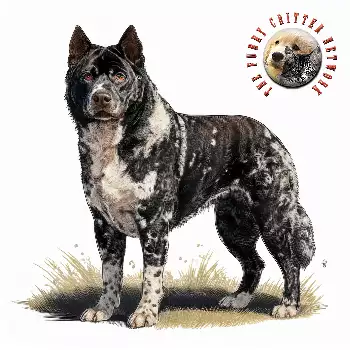

Breeding a Mudi is a significant undertaking that should begin long before any mating takes place. Assessing breeding readiness involves evaluating the physical health, genetic background, temperament, and structural quality of both the prospective sire and dam. The Mudi is a rare breed with a relatively small global population, which makes every breeding decision consequential for the breed's future health and genetic diversity.
Physical maturity is a prerequisite for breeding. While a female Mudi may experience her first heat cycle as early as six to eight months of age, she is not physically or emotionally mature enough to carry and raise a litter at that age. Most responsible breeders wait until a female is at least two years old, allowing her to reach full physical maturity and enabling the completion of all recommended health screenings. Males should also be fully mature and health tested before being used at stud.
Health testing for the Mudi should include hip and elbow evaluations, eye examinations by a board-certified veterinary ophthalmologist, and any additional screenings recommended by the breed club or parent organization. Because the Mudi gene pool is limited, breeders should also consider coefficient of inbreeding calculations and genetic diversity testing when selecting mating pairs. Breeding two dogs that are too closely related increases the risk of doubling up on deleterious recessive genes and reducing the overall genetic health of the offspring.
Temperament is a non-negotiable consideration in any Mudi breeding program. The breed standard describes a dog that is intelligent, courageous, and adaptable, with a keen working drive balanced by a stable and tractable nature. Dogs that exhibit extreme fearfulness, unprovoked aggression, or neurotic behavior should not be bred regardless of their physical qualities. The Mudi's temperament is one of its most valuable traits, and preserving it requires breeders to evaluate character with the same rigor they apply to structure and health.