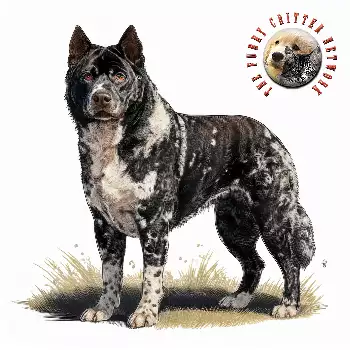

Growth & Physical Development

The juvenile period for a Mudi begins around three to four months of age and extends through roughly twelve to eighteen months, depending on the individual dog. During this time, the Mudi undergoes significant physical transformation, growing from a round, clumsy puppy into a lean and athletic adolescent. Growth is rapid during the first six months, then gradually slows as the dog approaches its adult size. Most Mudis reach their full height by around ten to twelve months but may continue to fill out and develop muscle tone for several months beyond that.

The Mudi's distinctive wavy to curly coat begins to develop its adult texture during adolescence. Puppies that were born with relatively smooth coats may begin to show more curl and wave as the adult coat grows in, and the coat may go through a somewhat awkward transitional phase. Regular brushing helps manage loose puppy coat as it sheds out and prevents mats from forming in the emerging adult fur. Owners should pay particular attention to the areas behind the ears and around the hindquarters, where tangles tend to develop.

During this growth phase, the skeletal system is still maturing and growth plates remain open. This has important implications for exercise intensity and the types of physical activities that are appropriate. High-impact activities such as repetitive jumping, long-distance running on hard surfaces, and vigorous stair climbing should be limited until the growth plates have closed, which typically occurs around twelve to fourteen months in a breed of the Mudi's size. Overexertion during this period can lead to developmental orthopedic issues that may affect the dog for life.

Monitoring the Mudi's body condition throughout adolescence helps ensure healthy development. The dog should have a visible waist when viewed from above and the ribs should be easily felt but not prominently visible. Rapid weight gain or a potbellied appearance in a young Mudi warrants a veterinary evaluation to rule out parasites or overfeeding. Conversely, a puppy that appears excessively thin despite adequate feeding may benefit from a dietary review or health screening.

Nutrition & Diet Transition

Proper nutrition during the juvenile period directly influences the Mudi's growth trajectory, coat development, and overall health. Most Mudi puppies should be fed a high-quality puppy food formulated for medium-sized breeds. These formulations provide the appropriate balance of calcium and phosphorus needed to support skeletal development without encouraging excessively rapid growth, which can stress developing joints and bones.

Feeding frequency typically transitions during this stage. Puppies under four months of age generally do well with three meals per day, which helps maintain stable blood sugar levels and provides consistent energy for their active metabolisms. By six months of age, most Mudis can transition to two meals per day, a schedule that many owners maintain throughout the dog's life. Meal feeding rather than free-choice feeding is recommended, as it allows the owner to monitor appetite and notice any changes that might indicate a health issue.

The transition from puppy food to adult food generally occurs between twelve and eighteen months, depending on the individual dog's growth and development. This switch should be made gradually over the course of seven to ten days, mixing increasing proportions of adult food with decreasing amounts of puppy food. An abrupt change can cause gastrointestinal upset, including diarrhea and vomiting. The timing of this transition is best discussed with a veterinarian, who can assess the dog's growth and body condition to determine readiness.

Treats are an important training tool during the juvenile period but should make up no more than ten percent of the Mudi's daily caloric intake. High-value treats work well for training this food-motivated breed, but owners should account for treat calories when calculating daily food portions. Fresh water should be available at all times, and feeding schedules should be kept consistent, as the Mudi's sharp intelligence means they quickly learn routines and may become restless or vocal if meals are delayed.

Behavioral Changes

Adolescence in the Mudi is often marked by behavioral shifts that can surprise even experienced dog owners. The same puppy that seemed eager to please and easy to manage at three months may suddenly become more independent, distracted, or even defiant around six to ten months of age. This is a normal phase of canine development, often compared to human teenage years, and it reflects the dog's growing confidence and desire to test boundaries.

The Mudi's natural intelligence and problem-solving ability can make this stage particularly interesting. Adolescent Mudis may discover how to open gates, access food stored in containers, or find creative ways to entertain themselves if bored. Destructive chewing, digging, and excessive barking are common complaints during this period and are usually the result of insufficient mental and physical stimulation rather than a fundamental behavior problem. Providing appropriate outlets for the Mudi's considerable energy and intellect is the most effective strategy for managing these behaviors.

Fear periods may also occur during adolescence, typically around eight to eleven months and sometimes again around fourteen to eighteen months. During a fear period, a previously confident Mudi puppy may suddenly become wary of objects, sounds, or situations it previously ignored. These periods are neurologically driven and temporary, but how they are handled matters significantly. Forcing a fearful dog to confront the trigger can worsen the anxiety, while calmly supporting the dog and allowing it to investigate at its own pace helps build resilience.

Resource guarding, if it is going to emerge, often first appears during adolescence. An adolescent Mudi that stiffens over a food bowl, growls when approached while chewing a toy, or snaps when something is taken away is exhibiting early resource guarding behavior. This should be addressed promptly through positive training protocols rather than punitive methods, which can escalate the behavior. A qualified trainer or behaviorist can help design an appropriate intervention plan.

Training Priorities

The Mudi is one of the most trainable breeds in existence, and the juvenile period is the ideal time to harness that potential. This breed excels in obedience, agility, herding, and a wide range of canine sports, but its intelligence comes with a need for engaging and varied training sessions. Repetitive drills bore the Mudi quickly, leading to disengagement or creative reinterpretation of commands. Short, dynamic training sessions of ten to fifteen minutes are far more productive than long, monotonous ones.

Core obedience commands including reliable recall, sit, down, stay, and loose-leash walking should be well established during this period. The recall command is particularly critical for the Mudi, as this breed's herding instincts and prey drive can lead it to chase moving objects, animals, or vehicles if not properly trained. A rock-solid recall built through positive reinforcement and gradually increasing distractions can be genuinely lifesaving.

The Mudi's sensitivity makes it especially responsive to the handler's tone and energy. Harsh corrections or intimidating training techniques are counterproductive with this breed and can damage the trust bond that makes the Mudi such an exceptional partner. Positive reinforcement methods using food, toys, and verbal praise produce the best results. Clicker training is particularly well suited to the Mudi's quick learning style, as the precise timing of the click helps this intelligent breed understand exactly which behavior is being rewarded.

Beyond basic obedience, the juvenile period is an excellent time to introduce the Mudi to more advanced training activities. Many Mudis take naturally to agility foundations, trick training, scent work, and even introductory herding lessons. Providing this kind of mental challenge is not a luxury for the Mudi but a genuine need. An intellectually under-stimulated Mudi is far more likely to develop problem behaviors than one that has a job to do and a training partner who keeps things interesting.

Exercise & Activity

The adolescent Mudi is a bundle of energy that requires regular physical activity to remain healthy and well-behaved. However, exercise must be balanced with the reality that the young dog's body is still developing. A structured approach that combines moderate physical exercise with mental stimulation produces the best outcomes during this stage. As a general guideline, the old rule of five minutes of structured exercise per month of age, twice daily, provides a reasonable framework for young puppies, though adolescent Mudis approaching ten to twelve months can handle progressively longer outings.

Free play in a securely fenced area is one of the best forms of exercise for an adolescent Mudi. The dog can set its own pace, rest when needed, and engage in the kind of spontaneous movement patterns that build coordination and fitness without the repetitive stress of forced exercise. Playing with compatible dogs also provides valuable social exercise and helps reinforce appropriate play behavior learned from littermates during the early weeks.

Mental exercise is equally important for this breed and should not be overlooked in favor of physical activity alone. Puzzle feeders, snuffle mats, hide-and-seek games, and training sessions all engage the Mudi's active mind and produce a calmer, more satisfied dog. A twenty-minute training session or puzzle-solving exercise can tire a Mudi as effectively as a much longer walk, making mental enrichment an invaluable tool for managing energy on days when extended outdoor activity is not possible.

Swimming, if the individual Mudi enjoys water, is an excellent low-impact activity for the adolescent stage. It builds cardiovascular fitness and muscle strength without placing stress on developing joints. Not all Mudis are natural swimmers, so introduction to water should be gradual, positive, and never forced. Hiking on varied terrain is another excellent option for older adolescents, as it provides both physical challenge and sensory enrichment through exposure to new sights, sounds, and smells.

Spay/Neuter Considerations

The decision of whether and when to spay or neuter a Mudi is one that deserves thoughtful consideration and a conversation with a veterinarian. Views on the optimal timing for these procedures have evolved significantly in recent years, and current research suggests that the traditional approach of early spaying or neutering at six months may not be ideal for all dogs, particularly active, medium-sized breeds like the Mudi.

Studies on various breeds have found associations between early spaying or neutering and increased risk of certain orthopedic conditions, including cranial cruciate ligament tears and hip dysplasia. The reproductive hormones play a role in signaling growth plate closure, and removing them before physical maturity may result in altered skeletal proportions and joint mechanics. For the Mudi, a breed that is often asked to perform athletically in agility, herding, and other sports, these considerations carry particular weight.

Many veterinarians and breed experts now recommend waiting until the Mudi has reached physical maturity, typically around twelve to eighteen months, before performing a spay or neuter procedure. Some owners of performance dogs choose to delay even longer or to leave their dogs intact, accepting the management responsibilities that come with that decision. Intact males require vigilant containment to prevent roaming, while intact females will experience heat cycles approximately every six to eight months, requiring management to prevent unwanted breeding.

The behavioral effects of spaying and neutering are frequently discussed but are more nuanced than commonly believed. While neutering may reduce certain hormonally driven behaviors such as roaming and urine marking in males, it does not automatically resolve training or behavioral issues. Similarly, spaying does not change a female Mudi's core personality. The decision should ultimately be based on the individual dog's health profile, the owner's lifestyle and ability to manage an intact animal, and the guidance of a veterinarian who is familiar with the breed.

Socialization & Exposure

Continued socialization during the juvenile period is essential for producing a well-adjusted adult Mudi. While the primary socialization window begins to close around twelve to fourteen weeks, the adolescent months offer critical opportunities to reinforce and expand upon the foundation laid by the breeder. The Mudi is a naturally alert and sometimes reserved breed, making ongoing positive exposure to a variety of people, animals, environments, and situations especially important.

A well-socialized Mudi should be comfortable in a range of everyday settings, including busy streets, pet-friendly stores, veterinary offices, parks, and homes with visitors. Exposure should be gradual and positive, always at a pace the dog can handle without becoming overwhelmed. Pairing new experiences with treats, play, or calm praise helps the Mudi form positive associations. Pushing a hesitant adolescent Mudi into a situation it finds frightening is counterproductive and can create lasting anxiety.

Socialization with other dogs should continue throughout adolescence, but the quality of these interactions matters more than the quantity. Well-managed playgroups with dogs of similar size and energy level are far more beneficial than chaotic dog park visits where negative interactions can occur. The Mudi's herding instincts may manifest as nipping at the heels of running dogs or attempting to control the movement of other animals, which can provoke conflict. Monitoring play and redirecting herding behavior toward appropriate outlets helps the Mudi learn to interact politely with other dogs.

Exposure to different types of people is equally important. The Mudi can be naturally wary of strangers, a trait rooted in its herding heritage, and without adequate socialization this wariness can develop into problematic shyness or defensive behavior. Encouraging positive interactions with men, women, children, people wearing hats or uniforms, and people using mobility devices helps the Mudi develop confidence and good judgment about who and what constitutes a genuine concern versus a normal part of the world.

Always consult a qualified professional before making any health-related decisions. This content is provided for informational reference only and should not replace professional guidance specific to your animal.