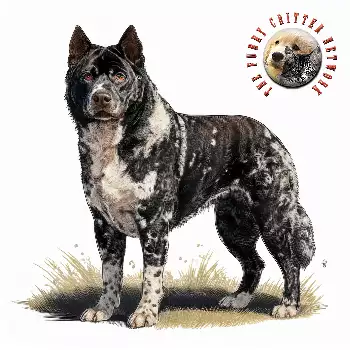

Determining when a Mudi transitions from a mature adult to a senior dog is not as straightforward as checking a calendar. As a medium-sized breed with a typical lifespan of twelve to fourteen years, the Mudi generally enters its senior phase around eight to nine years of age. However, individual variation is significant, and some Mudis remain remarkably youthful well into their later years while others may show signs of aging earlier, particularly if they have lived especially active or physically demanding lives.
The shift from adult to senior is usually gradual rather than sudden. Owners may first notice that their Mudi is slightly slower to rise from rest, takes a bit longer to warm up at the beginning of a walk, or seems to tire more quickly during activities that were previously effortless. Graying around the muzzle and face is a common but unreliable visual marker, as some Mudis begin to gray as early as five or six years without any corresponding decline in health or vitality.
From a veterinary perspective, the senior designation typically triggers a shift in the frequency and scope of health monitoring. Most veterinarians recommend transitioning from annual to semi-annual wellness examinations once a dog enters its senior years. These more frequent checkups allow for closer tracking of age-related changes and earlier detection of conditions that become more common with advancing age, including kidney disease, liver changes, thyroid dysfunction, diabetes, and cancer.
Understanding that your Mudi is entering its senior years is not cause for alarm but rather an invitation to adapt your care approach. The same attentiveness and engagement that characterized the dog's younger years remain important, but the emphasis shifts toward preservation, comfort, and quality of life. A senior Mudi that receives appropriate care can continue to enjoy a rich and fulfilling life for several more years.