
Peak Health Maintenance

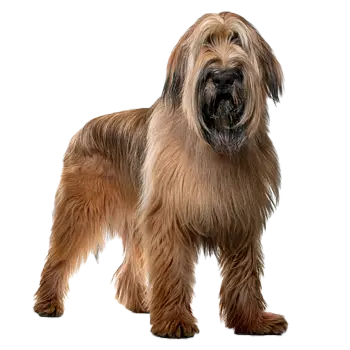
A fully mature Briard is an impressive animal — powerful, agile, and radiating the alert confidence that defines the breed. The adult stage, generally spanning from approximately two years through seven or eight years of age, represents the period when your Briard is at the height of its physical capabilities and when the foundation for long-term health is either reinforced or undermined by daily care decisions. Maintaining peak health during these years is both a privilege and a responsibility.

Annual veterinary wellness examinations form the cornerstone of preventive care during the adult years. These visits allow your veterinarian to detect subtle changes in weight, body condition, heart function, and organ health before they become symptomatic problems. Blood panels, urinalysis, and fecal examinations provide baseline data that can be invaluable in identifying emerging conditions early. For Briards, particular attention should be paid to eye health, given the breed's predisposition to conditions such as progressive retinal atrophy and congenital stationary night blindness.

Parasite prevention is a year-round commitment that should not be neglected during the adult years. Heartworm prevention, flea and tick control, and regular deworming protect your Briard from diseases that can cause serious illness or even death. Your veterinarian will recommend a parasite prevention protocol appropriate for your geographic region and your dog's lifestyle, whether that includes frequent outdoor activity, exposure to livestock, or travel to areas with elevated parasite risk.

Vaccination boosters should be administered on the schedule recommended by your veterinarian, which may vary based on local disease prevalence, your dog's risk factors, and current veterinary guidelines. Core vaccines are typically boosted every one to three years during adulthood, while non-core vaccines are administered based on individual risk assessment.

Nutrition at Maturity

An adult Briard's nutritional needs are significantly different from those of a growing puppy, and feeding strategies should be adjusted accordingly. A high-quality adult dog food formulated for large breeds provides the balanced nutrition that a mature Briard requires to maintain muscle mass, coat health, and organ function. The caloric density of the food and the daily portion size should be calibrated to your dog's activity level, body condition, and metabolism, all of which can vary considerably between individual dogs.

Maintaining an ideal body condition is one of the most impactful things you can do for your Briard's long-term health. Excess weight places additional strain on the joints, heart, and other organ systems, and is associated with increased risk of numerous diseases. A Briard at ideal weight should have a visible waist when viewed from above and ribs that can be felt but not prominently seen. If you are unsure about your dog's body condition, your veterinarian can provide a body condition score and dietary recommendations.

Feeding should occur on a predictable schedule, typically twice daily for adult Briards. Dividing the daily ration into two meals rather than feeding once a day helps maintain stable blood sugar levels and may reduce the risk of gastric dilatation-volvulus, commonly known as bloat, which is a concern in large, deep-chested breeds like the Briard. Feeding from a raised bowl, avoiding vigorous exercise immediately before and after meals, and encouraging slower eating are additional precautions that may help reduce bloat risk.

Supplements should only be added to the diet under veterinary guidance. A well-formulated commercial dog food provides complete and balanced nutrition for most adult dogs, and unnecessary supplementation can create harmful nutrient imbalances. Joint supplements containing glucosamine and chondroitin may be beneficial for Briards with early signs of joint wear, but these should be discussed with your veterinarian before starting.

Exercise & Fitness

The adult Briard is an athletic, vigorous dog that requires consistent daily exercise to maintain physical fitness and mental equilibrium. This breed was developed to work long days in the fields of France, covering large distances while herding and guarding livestock, and that heritage translates into a modern dog that thrives with purposeful physical activity. A sedentary lifestyle is antithetical to the Briard's nature and will inevitably lead to behavioral problems born of frustration and pent-up energy.

Daily exercise for an adult Briard should include a minimum of sixty to ninety minutes of moderate to vigorous activity. Long walks, hiking, jogging, and off-leash play in secure areas all provide excellent physical outlets. The Briard's natural athleticism makes it well-suited for structured canine sports, including herding trials, agility courses, obedience competition, and tracking. Participation in these activities provides the dual benefit of physical exercise and mental engagement, both of which are essential for this intellectually demanding breed.

Variety in exercise routines prevents boredom and challenges different muscle groups. Alternate between different types of terrain, distances, and activities throughout the week. Swimming is an excellent low-impact exercise option that provides a full-body workout without stressing the joints, and many Briards take to water readily once properly introduced. Novel environments and routes also stimulate the Briard's keen senses and satisfy its natural curiosity.

Be attentive to your Briard's physical condition during and after exercise. Limping, reluctance to jump or climb, excessive panting, or stiffness after rest may indicate the beginning of joint issues or other musculoskeletal problems. Adjusting the exercise regimen to accommodate your dog's changing needs as it moves through the adult years helps maintain fitness without causing injury.

Preventive Health Care

Proactive health management during the adult years can significantly extend the quality and duration of your Briard's life. Beyond annual wellness examinations, several breed-specific health concerns warrant ongoing attention. The Briard is predisposed to hip dysplasia, and while screening typically occurs before breeding age, monitoring joint health through periodic radiographs and physical assessment helps catch degenerative changes early, when intervention is most effective.

Eye examinations by a board-certified veterinary ophthalmologist should be performed periodically throughout the adult years. The Briard breed is known to carry genes for several heritable eye conditions, including progressive retinal atrophy and congenital stationary night blindness. Early detection of these conditions, while not always treatable, allows for environmental accommodations and management strategies that help the affected dog adapt.

Thyroid function should be monitored through periodic blood work, as hypothyroidism occurs with notable frequency in the breed. Symptoms of hypothyroidism can be subtle and develop gradually, including weight gain despite consistent feeding, lethargy, coat changes, and recurring skin infections. Because these symptoms can be attributed to other causes or dismissed as normal aging, laboratory testing provides the most reliable method of diagnosis.

Dental disease is one of the most commonly overlooked health issues in adult dogs of all breeds. Tartar accumulation, gingivitis, and periodontal disease can lead to pain, tooth loss, and systemic infections that affect the heart, kidneys, and liver. Regular dental examinations, professional cleanings as recommended by your veterinarian, and at-home dental care help preserve your Briard's oral health throughout the adult years.

Behavioral Maturity

By the age of two to three years, most Briards have settled into their adult temperament, though this breed often retains a playful, spirited energy well beyond the adolescent years. The mature Briard is typically confident, discerning, and deeply bonded to its family. The breed's herding instincts may manifest as a tendency to gather family members, gently nudge people into groups, or patrol the perimeter of the property. These behaviors are normal expressions of the Briard's heritage and usually require only gentle management rather than correction.

The adult Briard's protective nature, which was so carefully socialized during puppyhood and adolescence, should now be reliably calibrated. A well-socialized adult Briard is alert and observant without being reactive or aggressive. It should be able to distinguish between genuine threats and normal daily occurrences, accepting welcomed visitors while maintaining appropriate watchfulness. If protectiveness has tipped toward excessive guarding, aggression toward strangers, or territorial behavior that interferes with daily life, consultation with a qualified canine behaviorist is advisable.

Mental stimulation remains a critical need throughout the adult years. The Briard's intelligence demands ongoing engagement, and a dog that is not challenged mentally may develop compulsive behaviors, excessive barking, or destructive habits. Continuing training, learning new skills, and participating in activities that require problem-solving keep the adult Briard's mind sharp and its behavior balanced.

The bond between a Briard and its owner deepens considerably during the adult years. This breed forms profound attachments to its people and thrives on inclusion in family activities. Separation anxiety can develop in Briards that are left isolated for long periods, manifesting as destructive behavior, excessive vocalization, or house soiling. Ensuring that your Briard has companionship, routine, and a sense of purpose within the family structure supports its emotional well-being throughout the prime years.

Dental & Grooming

The Briard's long, luxurious coat is one of the breed's most distinctive features, but it requires a dedicated grooming commitment that should not be underestimated. The adult coat consists of a coarse, slightly wavy outer layer and a fine, tight undercoat. Without regular grooming, this double coat mats quickly and severely, particularly behind the ears, in the armpits, on the chest, and around the hindquarters. Once mats become tight against the skin, they can cause pain, restrict blood flow, and create conditions favorable for skin infections.

A thorough brushing session two to three times per week is the minimum needed to keep the adult Briard's coat in good condition, and many owners find that more frequent sessions are necessary during seasonal coat changes or periods of increased outdoor activity. A pin brush, slicker brush, and metal comb should all be part of your grooming toolkit. Work through the coat in sections, brushing from the skin outward, and use a detangling spray to help work through any areas that have begun to tangle.

Bathing frequency depends on the dog's lifestyle and activity level, but most adult Briards benefit from a bath every four to six weeks. Thorough rinsing is essential, as shampoo residue trapped in the dense coat can cause skin irritation. Equally important is thorough drying, since a damp undercoat can harbor bacteria and develop a musty odor. Many owners invest in a high-velocity dryer to ensure the coat is dried completely to the skin.

Dental care should be integrated into the grooming routine. Daily tooth brushing with a canine-specific toothpaste is the gold standard for at-home dental care and can dramatically reduce the accumulation of plaque and tartar. If daily brushing is not feasible, aim for several sessions per week and supplement with veterinarian-approved dental chews. Nail trimming, ear cleaning, and inspection of the paw pads should also be performed regularly, as the Briard's heavy coat can obscure problems in these areas until they become advanced.

Always consult a qualified professional before making any health-related decisions. This content is provided for informational reference only and should not replace professional guidance specific to your animal.