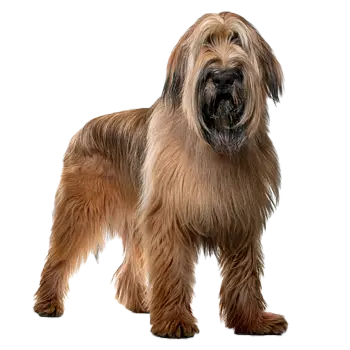

Responsible breeding of Briards begins long before any mating takes place. The decision to breed should be grounded in a genuine commitment to improving the breed, not in financial motivation or casual curiosity. A Briard considered for breeding must first meet a high standard of physical health, temperament, and structural soundness. Both the sire and dam should exemplify the breed standard in conformation, movement, and character, and should be free from disqualifying faults that could be passed to offspring.
Health screening is an essential prerequisite for any Briard entering a breeding program. At minimum, breeding candidates should be evaluated for hip dysplasia through radiographic assessment and receive eye examinations by a board-certified veterinary ophthalmologist. The Briard breed carries a known risk for congenital stationary night blindness, progressive retinal atrophy, and hip dysplasia, and breeding dogs should be cleared for these conditions before any mating is planned. Thyroid function testing is also recommended, as hypothyroidism occurs with notable frequency in the breed.
Age is an important consideration in determining breeding readiness. Female Briards should not be bred before the age of two years, allowing time for full physical maturity, health screening completion, and temperament evaluation. Most responsible breeders wait until the second or third heat cycle at earliest. Males should similarly be fully mature and have passed all relevant health screenings before being used at stud. Breeding too young risks physical harm to the dam and may not allow adequate time to identify health or temperament issues that would disqualify a dog from a breeding program.
Temperament evaluation is sometimes overlooked but is critically important in a breed with strong protective instincts. A Briard intended for breeding should demonstrate confidence without aggression, appropriate social behavior with people and other dogs, and a stable, predictable disposition. Temperament is heritable, and breeding dogs with fear-based reactivity, excessive aggression, or extreme nervousness risks producing offspring with serious behavioral challenges.