
Peak Health Maintenance

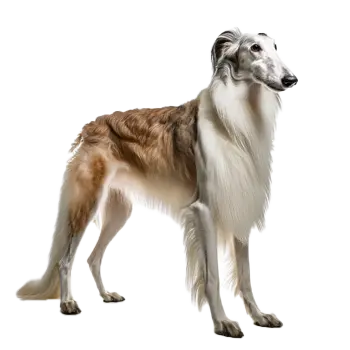
The adult Borzoi, typically reaching full maturity between two and three years of age, enters a period of physical and behavioral stability that represents the breed at its finest. A well-cared-for adult Borzoi is a picture of athletic elegance, combining grace, speed, and quiet dignity in equal measure. Maintaining this peak condition requires consistent attention to the fundamentals of good health care, including regular veterinary examinations, appropriate parasite prevention, and vigilant monitoring for any changes in behavior or physical condition.

Annual wellness examinations are the cornerstone of preventive health care for the adult Borzoi. These visits allow your veterinarian to perform a thorough physical assessment, update vaccinations as needed, screen for early signs of disease, and discuss any concerns about your dog's health or behavior. For a breed predisposed to certain conditions such as bloat, cardiac issues, and some cancers, regular veterinary oversight is especially important for early detection and intervention.

Borzoi are a deep-chested breed, and gastric dilatation-volvulus, commonly known as bloat, is a serious and potentially fatal emergency that every Borzoi owner should understand. Familiarize yourself with the symptoms, which include a distended abdomen, unproductive retching, restlessness, and signs of acute distress. Having a plan for emergency veterinary care and knowing the fastest route to an after-hours facility can save your dog's life. Discuss preventive measures, including the option of prophylactic gastropexy, with your veterinarian.

Maintaining an up-to-date parasite prevention program is essential throughout the adult years. Heartworm prevention, flea and tick control, and periodic intestinal parasite screening protect your Borzoi from conditions that can cause significant illness. The specific products and protocols used should be selected in consultation with your veterinarian, taking into account the disease risks prevalent in your geographic area and your dog's individual health profile.

Nutrition at Maturity

Feeding the adult Borzoi is a matter of balancing quality nutrition with appropriate portion control to maintain ideal body condition. The Borzoi's lean, athletic build means that even small amounts of excess weight can place disproportionate stress on the skeletal system, while an underweight Borzoi may lack the energy reserves needed for optimal health. Learning to assess your Borzoi's body condition by feel, checking that ribs are easily palpable beneath a thin layer of tissue and that a visible waist and abdominal tuck are present, is an essential skill.

A high-quality adult dog food appropriate for large breeds provides the nutritional foundation for the adult Borzoi. The ideal diet should feature a named animal protein as the primary ingredient and provide balanced ratios of protein, fat, and carbohydrates suitable for a moderately active large-breed dog. Some owners choose to feed raw or home-prepared diets, and while these can be appropriate, they require careful formulation and veterinary oversight to ensure nutritional completeness.

Feeding practices in the Borzoi should take into account the breed's susceptibility to bloat. Dividing the daily ration into two or more meals rather than feeding a single large meal is widely recommended. Elevated food bowls were once thought to reduce bloat risk but are no longer universally endorsed for this purpose; discuss current recommendations with your veterinarian. Avoiding vigorous exercise immediately before and after meals and ensuring the dog eats at a calm pace are additional sensible precautions.

Fresh, clean water should be available at all times. Monitor your Borzoi's appetite and eating habits closely, as changes in appetite can be an early indicator of health issues. A Borzoi that suddenly becomes disinterested in food, begins eating significantly more or less than usual, or shows signs of difficulty swallowing or discomfort while eating should be evaluated by a veterinarian.

Exercise & Fitness

The adult Borzoi is a breed built for explosive speed and sustained athleticism, and providing adequate exercise is essential for both physical health and mental well-being. Despite their sometimes languid indoor demeanor, Borzoi need regular opportunities to stretch their legs and run. A large, securely fenced area where the dog can sprint freely is the ideal exercise environment, as the breed's top speed and powerful stride require more space than most backyards can offer.

Daily exercise should include both physical activity and mental engagement. Brisk walks, off-leash running in safe areas, and structured activities such as lure coursing provide physical outlets that align with the breed's natural abilities and instincts. Lure coursing, in particular, is an excellent sport for adult Borzoi, offering the thrill of the chase in a controlled and safe environment. Many Borzoi also enjoy hiking, though their thin skin and single coat make them more vulnerable to scrapes and weather extremes than some other breeds.

Mental stimulation should not be overlooked as a component of the adult Borzoi's exercise program. While the breed is not as demand-driven as some working dogs, Borzoi are intelligent and can become bored with monotonous routines. Rotating walking routes, introducing scent-based games, and providing puzzle feeders or interactive toys can help keep the mind engaged. Some Borzoi also enjoy and excel at agility or rally obedience, activities that combine physical and mental challenges.

Be mindful of environmental conditions during exercise. Borzoi are sensitive to extreme heat due to their large body mass and can also be uncomfortable in very cold or wet conditions, as their silky coat provides less insulation than the dense double coats of many other breeds. Adjust exercise timing and intensity according to the weather, and always provide access to shade and water during and after physical activity.

Preventive Health Care

A proactive approach to preventive health care during the adult years can significantly impact the Borzoi's quality of life and longevity. Beyond the annual wellness exam, there are several breed-specific health considerations that warrant ongoing attention. Cardiac screening is particularly important in Borzoi, as the breed has a recognized predisposition to certain heart conditions, including dilated cardiomyopathy. Regular cardiac evaluations, which may include auscultation, echocardiography, and electrocardiography, can detect changes early when intervention is most effective.

Thyroid function should be monitored periodically, as hypothyroidism is seen with some frequency in the breed. Symptoms can be subtle and may include weight gain, lethargy, skin and coat changes, and reproductive difficulties. A simple blood test can screen for thyroid abnormalities, and treatment, when needed, is typically straightforward and effective.

Eye examinations by a board-certified veterinary ophthalmologist are recommended, as progressive retinal atrophy and other hereditary eye conditions can occur in the breed. Early detection of eye disease allows for monitoring and management that can help preserve vision and comfort. Many breed clubs recommend annual eye certification as part of responsible ownership.

Orthodontically, the Borzoi's long, narrow muzzle creates a unique dental landscape. Regular dental assessments and professional cleanings as recommended by your veterinarian help prevent periodontal disease, which can lead to pain, tooth loss, and systemic health complications if left untreated. Home dental care, including brushing and the use of veterinarian-approved dental chews, supplements the professional care provided at the veterinary clinic.

Behavioral Maturity

The adult Borzoi is generally a calm, dignified, and quietly affectionate companion. By the age of two to three years, most of the adolescent testing and boundary-pushing has resolved, and the dog settles into a more predictable and manageable behavioral pattern. Borzoi tend to be deeply bonded to their families while maintaining a characteristic independence that sets them apart from more overtly demonstrative breeds.

One of the hallmarks of the mature Borzoi temperament is a quiet, almost catlike quality in the home. Many Borzoi are content to lounge on comfortable furniture for hours, rising for meals, walks, and the occasional burst of indoor play. This calm indoor demeanor can be deceptive, however, and should not be mistaken for a lack of exercise needs. The same dog that appears half-asleep on the sofa can transform into a powerful, driven athlete the moment an opportunity to run presents itself.

The adult Borzoi's independent nature means that the breed may never achieve the instant, eager compliance that characterizes some other breeds. Commands may be processed and considered before being obeyed, and a Borzoi may make its own judgment about whether a particular request is worth following in a given moment. This is not defiance but rather a reflection of the breed's centuries of selection for independent decision-making in the field. Maintaining training through regular practice and positive reinforcement helps keep skills sharp and strengthens the human-canine bond.

Socialization should continue throughout the adult years. Regular positive exposure to a variety of people, dogs, and environments helps maintain the social confidence built during puppyhood and adolescence. A Borzoi that becomes isolated or under-socialized as an adult may gradually become more wary and reactive, undoing the work invested during the formative months.

Dental & Grooming

The Borzoi's long, silky coat is one of the breed's most striking features, and maintaining it in good condition requires regular grooming. A thorough brushing two to three times per week is generally sufficient to prevent matting and remove loose hair, with particular attention paid to the areas behind the ears, under the legs, and along the feathering on the chest, legs, and tail, where tangles are most likely to develop. During seasonal shedding periods, daily brushing may be necessary to manage the increased hair loss.

Bathing should be performed as needed, typically every four to six weeks or when the coat becomes soiled. Use a gentle shampoo formulated for dogs, and follow with a conditioner to maintain the coat's natural silkiness and manageability. Thorough rinsing is important, as residual shampoo can cause skin irritation. The Borzoi's coat dries slowly due to its length, and using a forced-air dryer on a cool setting can speed the process while also helping to straighten and separate the hair.

Nail care is an often-overlooked aspect of grooming that has real implications for the Borzoi's comfort and structural soundness. Long nails alter the dog's gait and can contribute to joint stress and foot pain over time. Nails should be trimmed every two to three weeks, and the dewclaws, if present, should not be forgotten. Many Borzoi are sensitive about having their feet handled, so desensitization to nail trimming should begin in puppyhood and be maintained with patience and positive reinforcement throughout life.

Dental hygiene deserves particular emphasis in the Borzoi's grooming routine. The breed's long, narrow jaw can predispose it to dental crowding and plaque accumulation. Daily brushing with a canine-specific toothpaste is the gold standard for home dental care, though even a few times per week provides significant benefit. Regular dental checks during veterinary visits and professional cleanings as recommended help prevent the pain and systemic health risks associated with advanced periodontal disease.

Always consult a qualified professional before making any health-related decisions. This content is provided for informational reference only and should not replace professional guidance specific to your animal.