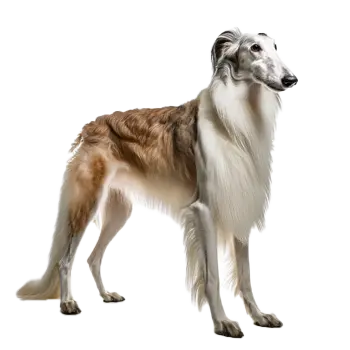

The Borzoi is a breed that undergoes dramatic physical transformation during its juvenile and adolescent months. Between three and eighteen months of age, a Borzoi puppy will grow from a compact, somewhat clumsy youngster into a tall, elegant, and powerfully built sighthound. Growth in this breed is not always even or predictable; many Borzoi go through gangly, awkward phases where legs seem disproportionately long and the body appears narrow and underdeveloped. This is entirely normal and should not cause alarm.
Large and giant breeds like the Borzoi take significantly longer to reach full physical maturity than smaller dogs. While a Borzoi may reach close to its adult height by twelve months, filling out through the chest and developing mature muscle mass often continues well into the second year and sometimes beyond. Males in particular may not achieve their full physical presence until they are two to three years old. Monitoring growth through regular weigh-ins and body condition assessments helps ensure development is on track.
Rapid growth in large breeds carries specific orthopedic risks. The bones, joints, and connective tissues of a growing Borzoi are under considerable stress, and improper nutrition or excessive exercise during this period can contribute to developmental orthopedic diseases. Controlled growth through appropriate diet and managed activity levels is one of the most important things an owner can do to support long-term skeletal health.
Regular veterinary checkups during this growth phase allow for monitoring of joint development, dental eruption, and overall physical progress. Any signs of lameness, abnormal gait, or reluctance to move should be evaluated promptly, as early detection of orthopedic issues often leads to better outcomes. Your veterinarian can help you establish growth benchmarks appropriate for your individual Borzoi.