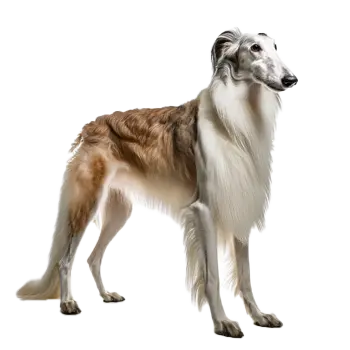

Breeding Readiness

Responsible Borzoi breeding begins long before any mating takes place, with a thorough evaluation of whether both prospective parents meet the physical, genetic, and temperamental standards that warrant producing offspring. The decision to breed should never be taken lightly, and the goal should always be the improvement and preservation of the breed rather than the production of puppies for profit or convenience. A breeding candidate should be a sound representative of the breed standard, possessing correct structure, breed type, and the characteristic Borzoi temperament.

Health testing is a non-negotiable prerequisite for any Borzoi being considered for breeding. At minimum, both the sire and dam should undergo cardiac evaluation by a board-certified veterinary cardiologist, thyroid testing, and eye examination by a board-certified veterinary ophthalmologist. Orthopedic evaluations and screening for degenerative myelopathy through genetic testing are also strongly recommended. These tests help ensure that known hereditary conditions are not unknowingly passed to the next generation.

Physical maturity is essential before breeding. While a female Borzoi may experience her first heat cycle well before the age of two, most responsible breeders wait until the dog is at least two years old and has completed the recommended health screenings before considering a breeding. Males should also be fully mature and health-tested before being used at stud. Breeding immature dogs increases the risk of complications and does not allow sufficient time to evaluate the dog's adult health and temperament.

Temperament should weigh heavily in the breeding decision. The Borzoi's gentle, dignified, and quietly affectionate nature is one of the breed's most valuable qualities, and dogs with significant temperament faults such as excessive fearfulness, unprovoked aggression, or severe anxiety should not be bred regardless of their physical attributes. A breeding program that prioritizes temperament alongside health and structure produces puppies that are not only beautiful but also suited to life as companions.

The Heat Cycle

Understanding the female Borzoi's reproductive cycle is fundamental to successful breeding management. Most Borzoi females come into season approximately every six to twelve months, though considerable individual variation exists. The cycle consists of four stages: proestrus, estrus, diestrus, and anestrus. Proestrus, marked by vulvar swelling and bloody discharge, typically lasts seven to ten days and signals the beginning of the cycle, though the female is not yet ready to accept the male.

Estrus follows proestrus and is the period during which the female is receptive to mating and ovulation occurs. This stage typically lasts five to thirteen days, and the discharge lightens in color and volume. Identifying the optimal breeding window within estrus is critical for maximizing the chances of conception. Progesterone testing performed by your veterinarian provides the most reliable means of pinpointing ovulation and determining the best days for mating or artificial insemination.

Relying on behavioral signs alone to time breeding is less reliable than hormonal testing, though behavioral changes can provide useful supporting information. A receptive female will typically stand firmly and deflect her tail when approached by the male, and she may become more restless and attentive to male dogs in the vicinity. However, some females show standing behavior before they are truly fertile, while others may appear uncooperative even during peak fertility.

Keeping detailed records of each heat cycle, including dates of onset, duration, discharge changes, and behavioral observations, creates a valuable reference for future breeding decisions. If a female's cycles are irregular, unusually infrequent, or accompanied by abnormal discharge or other symptoms, veterinary evaluation is warranted to rule out conditions such as ovarian cysts, uterine infection, or hormonal imbalances that could affect fertility and overall health.

Pregnancy & Gestation

The gestation period in the Borzoi, as in all domestic dogs, averages approximately 63 days from the date of ovulation, though normal variation of a day or two in either direction is common. Confirming pregnancy can be accomplished through several methods, including ultrasound as early as 25 to 30 days post-breeding, palpation by an experienced veterinarian at around 28 days, or radiography during the final third of pregnancy to count fetal skeletons and assess litter size.

Nutritional management during pregnancy requires careful attention. During the first several weeks of gestation, the dam's nutritional needs do not change dramatically, and overfeeding during early pregnancy can lead to excessive weight gain that complicates whelping. As pregnancy progresses into the final third, caloric requirements increase as the puppies undergo their most rapid growth. A gradual transition to a high-quality, energy-dense food formulated for pregnancy and lactation supports the dam's increasing needs without overwhelming her digestive system.

The pregnant Borzoi should continue to receive moderate exercise throughout gestation, with adjustments made as the pregnancy advances. Gentle walks maintain muscle tone and cardiovascular fitness, both of which support a smoother whelping process. However, vigorous exercise, rough play, and activities that involve jumping or sudden directional changes should be avoided, particularly during the later stages of pregnancy. The dam's comfort and willingness to exercise should guide the intensity and duration of activity.

Regular veterinary monitoring during pregnancy allows for early detection of complications such as fetal resorption, gestational diabetes, or toxemia. The veterinarian can also advise on parasite prevention products that are safe for use during pregnancy, as not all commonly used preventatives carry this safety clearance. As the whelping date approaches, discuss your birth plan with your veterinarian, including signs that indicate when to seek emergency assistance and whether any special arrangements should be made based on the litter size or the dam's individual history.

Whelping Preparation

Thorough preparation for whelping can mean the difference between a calm, successful delivery and a chaotic, stressful experience for both the dam and the breeder. The whelping area should be set up at least two weeks before the expected due date, allowing the dam to become comfortable in the space. Choose a quiet, private area of the home that is away from household traffic but easily accessible for monitoring. The whelping box should be large enough for the dam to stretch out fully, with sides high enough to contain the puppies but low enough for the dam to step in and out comfortably.

Assemble a whelping kit well in advance. Essential supplies include clean towels and washcloths, bulb syringes for clearing airways, unwaxed dental floss and blunt scissors for umbilical cord management if the dam does not sever them herself, a digital scale for weighing puppies, a thermometer, a heating pad or heat lamp, and a supply of clean bedding. Having a canine milk replacer and bottle-feeding supplies on hand as a precaution is also prudent, even if supplemental feeding is not anticipated.

Monitoring the dam's temperature in the days leading up to the expected whelping date provides a useful predictor of imminent labor. A drop in rectal temperature below 99 degrees Fahrenheit typically indicates that labor will begin within 24 hours. Other signs of approaching labor include nesting behavior, restlessness, loss of appetite, and panting. Familiarize yourself with the stages of labor so you can recognize normal progress and identify when intervention may be needed.

Establish a relationship with an emergency veterinary facility and confirm their availability and after-hours protocols before the whelping date arrives. Know the signs that indicate a veterinary emergency, including prolonged unproductive straining lasting more than 30 to 60 minutes, more than two hours between puppies with visible contractions, green or foul-smelling discharge before the first puppy is delivered, or any sign of severe distress in the dam. Having your veterinarian's contact information posted in the whelping area ensures it is immediately accessible when needed.

Postpartum Care

The days and weeks following whelping require attentive care of both the dam and the newborn puppies. The dam should be monitored closely for signs of postpartum complications, including excessive bleeding, foul-smelling vaginal discharge, fever, lethargy, or refusal to eat. Some vaginal discharge is normal for several weeks after whelping, but the discharge should gradually decrease in volume and transition from dark red to a lighter color. Any sudden increase in discharge, change to a greenish or foul-smelling character, or signs of systemic illness warrant immediate veterinary attention.

Eclampsia, a potentially life-threatening condition caused by dangerously low blood calcium levels, is a particular concern in the postpartum period, especially in dams nursing large litters. Symptoms include restlessness, panting, stiffness, muscle tremors, and in severe cases, seizures. Eclampsia is a veterinary emergency, and any dam showing these signs should receive immediate medical attention. Proper nutrition during pregnancy and lactation helps reduce the risk, but the condition can occur even in well-nourished dogs.

The dam's nutritional needs during lactation are among the highest she will ever experience. She may require two to three times her normal caloric intake, depending on the size of the litter, and should be fed a high-quality, calorie-dense diet divided into multiple meals throughout the day. Fresh water should be constantly available, as milk production places significant demands on hydration. Monitoring the dam's body condition throughout lactation helps ensure she is receiving adequate nutrition without either losing excessive weight or accumulating unnecessary reserves.

The dam's emotional well-being is also an important consideration during the postpartum period. Most Borzoi dams are attentive and nurturing mothers, but some may become anxious, overly protective, or occasionally disinterested in the puppies. Providing a calm, secure environment, limiting visitors during the first week, and allowing the dam to set the pace for interactions with the puppies all support healthy maternal bonding. If the dam shows persistent disinterest in the puppies or aggressive behavior toward them, consult your veterinarian to rule out medical causes and discuss management strategies.

Responsible Breeding Ethics

Responsible breeding extends far beyond the mechanics of mating, pregnancy, and whelping. It encompasses a commitment to the long-term welfare of every puppy produced, the betterment of the breed, and the honest, transparent conduct of the breeding program. A responsible Borzoi breeder is motivated not by financial return but by a genuine desire to preserve and improve the breed for future generations.

Screening prospective puppy buyers carefully is a fundamental responsibility. Each puppy deserves a home that is prepared for the unique demands of the Borzoi, including the breed's exercise needs, grooming requirements, prey drive, and independent temperament. A responsible breeder asks questions, conducts home checks when feasible, and is willing to turn away buyers who are not a good match rather than place a puppy in an unsuitable environment. A written contract that includes a spay/neuter agreement for non-breeding puppies and a lifetime return clause ensures that no puppy produced by the program ever ends up in a shelter or rescue.

Transparency about health testing results, known health issues in the lines, and realistic expectations for the breed is a hallmark of ethical breeding. Prospective buyers should have access to the health certifications of both parents and be informed of any conditions that have appeared in the pedigree. No breeding program is free of health challenges, and honest disclosure builds trust and allows puppy buyers to make informed decisions.

A responsible breeder maintains a relationship with puppy buyers throughout the dog's life, serving as a resource for questions, concerns, and guidance. This ongoing commitment ensures that puppies receive consistent, knowledgeable support and that the breeder remains aware of how their dogs are faring in their homes. Active participation in breed clubs, mentorship of new fanciers, and contribution to breed health research further demonstrate the dedication that defines responsible breeding at its best.

Always consult a qualified professional before making any health-related decisions. This content is provided for informational reference only and should not replace professional guidance specific to your animal.