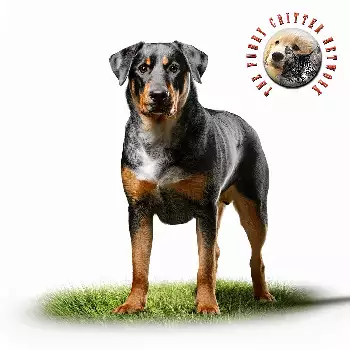

The Beauceron is generally considered to enter its senior years around age seven to eight, though individual dogs may show signs of aging earlier or later depending on genetics, overall health, and lifetime care. As a large breed, the Beauceron ages somewhat faster than smaller dogs, and being attentive to the subtle early signs of aging allows owners to adapt care routines before problems become advanced.
The transition into senior status is rarely a dramatic event. Instead, it tends to manifest as a gradual collection of small changes. The dog may take a bit longer to rise after resting, show less enthusiasm for extended vigorous exercise, or sleep more deeply and for longer periods. The muzzle may begin to gray, and the once-intense gaze may soften slightly. These changes are natural and expected, not causes for alarm, but they signal that adjustments to the dog's care regimen are in order.
A senior wellness examination, more comprehensive than the standard annual checkup, should be scheduled once the Beauceron enters this life stage. Many veterinarians recommend transitioning to twice-yearly examinations for senior dogs, as health conditions can develop and progress more quickly in aging animals. Baseline blood work, urinalysis, thyroid screening, and blood pressure measurement provide benchmarks against which future results can be compared.
Understanding that senior does not mean incapable is important for maintaining the Beauceron's quality of life. Many senior Beaucerons remain active, engaged, and mentally sharp well into their later years. The goal of senior care is not to wrap the dog in cotton wool but to provide thoughtful accommodations that allow it to continue enjoying life to the fullest extent possible.