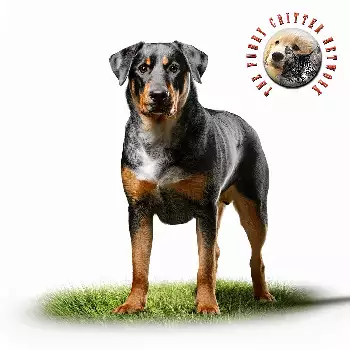

Peak Health Maintenance

The adult Beauceron, typically reaching full maturity between two and three years of age, is an impressive athletic specimen. During the prime years, which span from roughly age two to age seven, the focus shifts from growth and development to maintaining the excellent health and conditioning that this breed demands. A proactive approach to health management during these years pays dividends in longevity and quality of life as the dog ages.

Annual veterinary wellness examinations form the cornerstone of preventive care. These visits should include a thorough physical examination, blood work to establish baseline values and detect emerging issues, fecal testing for intestinal parasites, and heartworm testing. For the Beauceron, the veterinarian should pay particular attention to joint health, cardiac function, and eye condition, as these are areas of breed-relevant concern.

Parasite prevention should be maintained year-round in most climates. Flea, tick, and heartworm preventatives protect against diseases that can cause serious illness or death. The specific products and schedule should be tailored to the dog's environment and lifestyle in consultation with the veterinarian. Lyme disease, ehrlichiosis, and anaplasmosis are tick-borne diseases that are increasingly common and can have long-term health consequences if not prevented or caught early.

Maintaining a current vaccination schedule appropriate to the dog's risk profile is essential. Core vaccines are typically boosted on a schedule determined by the veterinarian, while non-core vaccines such as those for leptospirosis or canine influenza are administered based on the dog's exposure risk. Titer testing, which measures antibody levels, can sometimes be used to guide vaccination decisions for adult dogs.

Nutrition at Maturity

The adult Beauceron's nutritional needs stabilize once growth is complete, but proper feeding remains a critical component of long-term health. A high-quality adult maintenance diet appropriate for large breeds provides the foundation. The caloric requirements of an individual Beauceron depend on activity level, metabolism, body condition, and whether the dog is intact or altered, so feeding amounts should be adjusted based on the dog's condition rather than relying solely on package guidelines.

Two meals per day remain the recommended feeding schedule for adult Beaucerons. This pattern supports consistent energy levels, stable blood sugar, and reduces the risk of gastric dilatation-volvulus, commonly known as bloat. Bloat is a life-threatening emergency that occurs more frequently in large, deep-chested breeds, and feeding practices play a role in prevention. Avoiding vigorous exercise for at least an hour before and after meals, feeding from floor-level bowls, and preventing rapid eating all contribute to reducing bloat risk.

Body condition scoring should be performed regularly, ideally every two to four weeks. The adult Beauceron should maintain a lean, muscular physique with ribs easily palpable under a thin layer of fat, a visible waist when viewed from above, and an abdominal tuck when viewed from the side. Even modest excess weight increases stress on joints, elevates the risk of metabolic disease, and can shorten the dog's lifespan.

Fresh, clean water should be available at all times. Adequate hydration supports kidney function, digestion, temperature regulation, and joint lubrication. Active Beaucerons, especially those working or training in warm conditions, may need additional water access and monitoring for signs of dehydration.

Exercise & Fitness

The adult Beauceron is a tireless, athletic dog that requires substantial daily exercise to remain physically and mentally healthy. A minimum of one to two hours of vigorous activity per day is typical for this breed, though individual dogs may need more. Under-exercised Beaucerons are prone to developing destructive behaviors, excessive barking, anxiety, and other behavioral problems that stem from unspent energy and insufficient stimulation.

Variety in exercise is important for both physical conditioning and mental engagement. A combination of structured activities such as jogging, hiking, swimming, and retrieving with mental challenges such as scent work, obedience drills, and interactive play creates a well-rounded fitness program. The Beauceron's versatility makes it an excellent partner for nearly any outdoor activity, and many owners find that sharing an active lifestyle with their dog deepens the bond significantly.

For owners interested in competitive or working activities, the adult years are when the Beauceron truly shines. The breed excels in herding trials, French ring sport, Schutzhund, agility, tracking, and obedience competition. These structured activities provide the combination of physical exertion and mental focus that the Beauceron craves. Even owners who do not compete can adapt elements of these disciplines into daily training to keep their dog engaged and fulfilled.

Despite the Beauceron's stamina, it is important to build fitness gradually and allow for adequate recovery between intense sessions. Watch for signs of overexertion including excessive panting, reluctance to continue, or lameness after exercise. As with any athletic endeavor, conditioning should progress systematically, and the dog should be given rest days to allow muscle recovery and prevent overuse injuries.

Preventive Health Care

Beyond routine veterinary visits, several breed-specific health considerations deserve attention during the Beauceron's adult years. Hip and elbow dysplasia are concerns in the breed, and while screening radiographs are typically performed before breeding age, any adult Beauceron showing signs of lameness, stiffness, or reluctance to exercise should be evaluated for orthopedic issues. Early detection allows for management strategies that can significantly improve comfort and slow disease progression.

Dilated cardiomyopathy is a cardiac condition that has been identified in the Beauceron with enough frequency to warrant awareness. Regular cardiac auscultation during veterinary visits and any evaluation of exercise intolerance, coughing, or fainting should include cardiac screening. Some veterinarians recommend periodic echocardiograms for breeds with known cardiac predispositions.

Gastric dilatation-volvulus remains a significant risk throughout the Beauceron's life. Owners should familiarize themselves with the signs of bloat, which include a distended abdomen, unproductive retching, restlessness, drooling, and signs of pain. Bloat is a surgical emergency, and the difference between prompt treatment and delay is often the difference between life and death. Some owners elect to have a prophylactic gastropexy performed, in which the stomach is surgically tacked to the abdominal wall to prevent torsion.

Eye conditions including progressive retinal atrophy should be monitored through regular ophthalmologic examinations. Any changes in the dog's vision, cloudiness of the eyes, or unusual discharge should prompt a veterinary evaluation. Maintaining awareness of breed-specific health risks empowers owners to catch problems early when treatment options are most effective.

Behavioral Maturity

The adult Beauceron is a breed that combines keen intelligence with strong working drives and deep loyalty to its family. By age two to three, the turbulence of adolescence gives way to a more settled, reliable temperament, though the Beauceron never loses its intensity or need for purpose. Understanding the behavioral characteristics of the mature Beauceron helps owners provide the leadership and structure this breed needs to thrive.

The Beauceron's guardian instincts are fully developed in adulthood. The dog will naturally patrol its property, alert to unusual sounds or visitors, and position itself between its family and perceived threats. These instincts are an asset when properly managed but can become problematic without clear boundaries. The adult Beauceron must understand that the owner makes the decisions about who is and is not welcome, and that excessive protective behavior will not be tolerated.

Despite their serious working capabilities, adult Beaucerons are often surprisingly gentle and playful with their families. Many maintain a puppyish sense of humor well into adulthood and enjoy interactive games, roughhousing, and learning new tricks. This playful side is an important outlet for the breed's energy and intelligence and should be encouraged as part of daily life.

Continued training and mental enrichment remain essential throughout the adult years. A Beauceron that stops learning and working becomes bored, and a bored Beauceron will find ways to entertain itself that are unlikely to please its owner. Regular training sessions, new challenges, and opportunities to use its natural abilities keep the adult Beauceron engaged, well-mannered, and deeply bonded to its handler.

Dental & Grooming

The Beauceron's short, dense double coat is relatively low-maintenance compared to longer-coated breeds, but it still requires regular attention. The undercoat sheds moderately year-round and heavily during seasonal coat changes in spring and fall. Weekly brushing with a firm bristle brush or deshedding tool removes loose hair, distributes natural skin oils, and provides an opportunity to check for lumps, bumps, skin irritation, or parasites.

Bathing should be performed as needed, typically every six to eight weeks unless the dog gets particularly dirty. Over-bathing strips natural oils from the coat and skin, leading to dryness and irritation. When bathing is necessary, a gentle dog-specific shampoo preserves skin health. Thorough rinsing is important, as residual shampoo can cause itching and hot spots.

Dental care is an often-neglected aspect of grooming that has significant implications for overall health. Periodontal disease is the most common health condition in adult dogs and can lead to pain, tooth loss, and systemic infections that affect the heart, liver, and kidneys. Daily tooth brushing with a canine toothpaste is the gold standard for dental care, supplemented by dental chews and professional cleanings as recommended by the veterinarian.

Nail trimming, including the double dewclaws on the hind feet, should be performed every two to four weeks. Overgrown nails alter the dog's gait and can cause discomfort, joint stress, and injury. If the nails click on hard floors, they are too long. Ear cleaning on a regular basis helps prevent infections, particularly in active dogs that swim or spend time in dusty or humid environments. A clean, dry ear canal is the best defense against bacterial and yeast infections.

Always consult a qualified professional before making any health-related decisions. This content is provided for informational reference only and should not replace professional guidance specific to your animal.