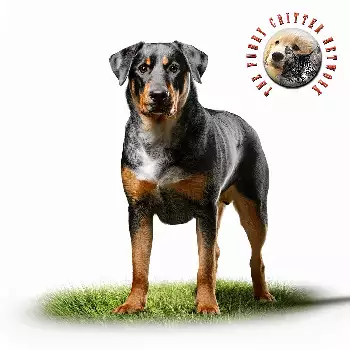

Growth & Physical Development

The Beauceron is a large, powerful breed that undergoes a dramatic physical transformation during the juvenile and adolescent period, which spans roughly from three months to eighteen months of age. During this time, a Beauceron puppy will grow from a compact, clumsy youngster into a muscular, athletic dog that can weigh over 100 pounds. This growth is not always even or graceful, and owners should expect periods where the dog looks gangly, disproportionate, or awkward as different parts of the body grow at different rates.

Rapid bone growth places particular demands on the skeletal system. The long bones of the legs grow from cartilaginous growth plates that remain open and vulnerable throughout adolescence. High-impact activities such as repetitive jumping, running on hard surfaces, or forced distance exercise should be limited until the growth plates close, typically around 14 to 18 months of age. Overexertion during this period can lead to lasting orthopedic damage.

Weight monitoring is essential during the growth phase. An adolescent Beauceron should maintain a lean body condition even as it gains mass rapidly. Excess weight during development compounds the stress on growing joints and can contribute to conditions such as hip dysplasia and osteochondritis dissecans. You should be able to feel the ribs easily without pressing hard, and the dog should have a visible waist when viewed from above.

The Beauceron's distinctive double dewclaws on the hind legs require attention during growth. These extra toes are part of the breed standard and should never be removed, but they can occasionally catch on surfaces or grow at odd angles. Regular nail trimming of the dewclaws is important throughout adolescence to prevent them from curling into the pad.

Nutrition & Diet Transition

Feeding a growing Beauceron correctly is one of the most impactful decisions an owner will make during this stage. Large-breed puppy formulations are specifically designed to support steady, controlled growth rather than the rapid growth that can occur with calorie-dense foods. These diets provide carefully calibrated ratios of calcium and phosphorus that support bone development without accelerating it to unsafe speeds.

The transition from puppy food to adult food generally occurs between 12 and 18 months for Beaucerons, though individual dogs may vary. This switch should happen gradually over seven to ten days, mixing increasing proportions of the new food with decreasing amounts of the old. Abrupt dietary changes commonly cause gastrointestinal upset including diarrhea and vomiting.

Meal frequency typically shifts from three meals per day for puppies under six months to two meals per day for older juveniles and adults. Free feeding, where food is available at all times, is strongly discouraged for Beaucerons. Controlled portions at set mealtimes support healthy digestion, help maintain proper weight, and reduce the risk of bloat, a life-threatening condition to which deep-chested breeds like the Beauceron are predisposed.

Supplementation beyond what is provided in a complete and balanced commercial diet is generally unnecessary and can actually be harmful. Adding extra calcium, for example, can disrupt the delicate mineral balance needed for proper bone development in large breeds. Any supplementation should be discussed with and approved by a veterinarian who understands the specific growth requirements of large herding dogs.

Behavioral Changes

Adolescence in the Beauceron brings a wave of behavioral shifts that can test even experienced dog owners. Around six to nine months of age, many Beaucerons enter a phase where previously learned commands seem to evaporate overnight. This is not defiance in the true sense but rather a normal developmental stage where the dog is testing boundaries and discovering its increasing physical capabilities.

The Beauceron's natural guarding instincts begin to emerge during adolescence. A puppy that was friendly and outgoing with strangers may suddenly become wary, reactive, or protective. This is a critical period for managing these instincts through continued socialization and positive experiences. Without guidance, natural wariness can escalate into fearfulness or inappropriate aggression.

Resource guarding, territorial behavior, and same-sex aggression may also surface during this period. These behaviors have roots in the Beauceron's heritage as a livestock guardian and herding dog, and they require proactive management rather than punishment. Recognizing the early signs of these tendencies allows owners to redirect and shape behavior before it becomes entrenched.

Energy levels reach their peak during adolescence, and a bored Beauceron is a destructive Beauceron. Chewing, digging, excessive barking, and escape attempts are common symptoms of insufficient physical and mental stimulation. Owners should expect to provide substantial daily exercise and structured activities to keep their adolescent Beauceron constructively occupied.

Training Priorities

Training a juvenile Beauceron is both deeply rewarding and absolutely essential. This is a breed of exceptional intelligence and physical power, and an untrained adult Beauceron can become genuinely unmanageable. The foundation laid during adolescence determines whether the adult dog will be a reliable, confident companion or a liability.

Basic obedience commands including sit, down, stay, come, and heel should be solidified during this period. The Beauceron responds best to firm, fair, and consistent training methods that engage its intellect. Harsh corrections or heavy-handed techniques tend to backfire with this breed, producing either a shut-down dog or one that becomes confrontational. Positive reinforcement combined with clear structure and expectations yields the best results.

Leash manners deserve particular attention given the Beauceron's adult size and strength. A 100-pound dog that pulls on the leash is physically dangerous to the handler and anyone nearby. Teaching loose-leash walking early, before the dog reaches full size, prevents a problem that becomes exponentially harder to fix with every pound the dog gains.

Beyond basic obedience, adolescent Beaucerons thrive when given a job to do. The breed excels in a wide range of structured activities including herding trials, tracking, protection sports, agility, and obedience competition. Channeling the Beauceron's drive and intelligence into purposeful work satisfies the dog's need for mental stimulation and strengthens the bond between dog and handler in ways that simple obedience training alone cannot achieve.

Recall training should be treated as a non-negotiable priority. A Beauceron with a reliable recall can be given more freedom and enrichment, while one without it poses a danger to itself and others. Practice recall in progressively more distracting environments, always rewarding generously, and never punish a dog for coming to you regardless of how long it took.

Exercise & Activity

The adolescent Beauceron has enormous exercise needs, but meeting those needs requires a thoughtful approach that balances physical activity with skeletal protection. The general guideline of five minutes of structured exercise per month of age, twice daily, provides a useful starting framework, though individual dogs may need adjustment based on their energy levels and physical development.

Free play in a securely fenced area allows the puppy to self-regulate its activity level, which is generally safer than forced exercise such as long runs or bicycle rides. Swimming is an excellent low-impact exercise option that builds muscle and cardiovascular fitness without stressing growing joints. If access to safe swimming is available, introducing the adolescent Beauceron to water can provide a valuable exercise outlet for years to come.

Mental exercise is equally important and often overlooked. Puzzle feeders, scent work games, training sessions, and interactive toys all engage the Beauceron's sharp mind and can tire the dog out as effectively as physical exercise. A fifteen-minute training session can leave an adolescent Beauceron more satisfied than a thirty-minute walk, and combining mental and physical activities creates an ideal enrichment program.

As the Beauceron matures past twelve months, exercise intensity and duration can gradually increase. However, high-impact activities such as competitive agility with full-height jumps or sustained distance running should still be delayed until the veterinarian confirms that the growth plates have closed. Building endurance and fitness gradually during adolescence sets the stage for the athletic, tireless adult the Beauceron is meant to be.

Spay/Neuter Considerations

The timing of spay or neuter surgery for a Beauceron is a decision that deserves careful consideration and discussion with a veterinarian who understands large breed development. Research in recent years has increasingly shown that early sterilization in large and giant breeds can have significant health implications, including increased risk of certain joint disorders and some cancers.

For male Beaucerons, delaying neutering until at least 18 to 24 months allows the dog to reach full physical maturity with the benefit of hormones that support proper bone density, muscle development, and growth plate closure. Early neutering has been associated with increased height due to delayed growth plate closure, which can alter the dog's skeletal proportions and joint mechanics in ways that predispose to orthopedic problems.

Female Beaucerons present additional considerations because of the risk of pyometra and mammary tumors associated with remaining intact. The decision about when or whether to spay involves weighing these risks against the orthopedic and developmental benefits of allowing the dog to mature with natural hormone levels. Some owners and veterinarians opt for ovary-sparing spay procedures that prevent pregnancy while preserving hormone production.

Regardless of the timing chosen, owners of intact adolescent Beaucerons must be prepared to manage the challenges that come with hormonal maturity. Males may become more assertive, develop marking behavior, and show increased interest in roaming. Females will experience heat cycles approximately every six to eight months, requiring careful management to prevent unwanted pregnancies. Responsible ownership during this period demands diligence and commitment.

Socialization & Exposure

Continued socialization throughout the juvenile and adolescent period is critical for the Beauceron, a breed whose natural guardian instincts can tip toward suspicion or reactivity without proper exposure to the wider world. The primary socialization window closes around 16 weeks, but the work does not stop there. Adolescent socialization reinforces early lessons and introduces the dog to the ever-expanding range of situations it will encounter as an adult.

Exposure should be systematic and positive, covering people of all ages, appearances, and behaviors, other dogs of varying sizes and temperaments, urban and rural environments, different surfaces and terrain, vehicles, crowds, and novel sounds. Each new experience should be presented at a pace the dog can handle, with retreat always available if the dog shows signs of stress. Flooding a Beauceron with overwhelming stimuli is counterproductive and can create lasting fear responses.

Adolescent Beaucerons may go through secondary fear periods, typically around eight to eleven months of age, where previously confident dogs suddenly become wary of familiar things. These phases are neurologically normal and should be handled with patience and calm support. Do not force the dog to confront whatever has frightened it, but also do not reinforce fearful behavior with excessive coddling. Simply redirect the dog's attention, allow it to observe from a comfortable distance, and move on.

Group training classes provide structured socialization opportunities that combine obedience work with controlled exposure to other dogs and people. For the Beauceron, selecting a class with a knowledgeable instructor who understands working breeds is important. The goal is a dog that is confident, neutral, and well-mannered in social situations rather than one that is either fearfully reactive or inappropriately exuberant.

Always consult a qualified professional before making any health-related decisions. This content is provided for informational reference only and should not replace professional guidance specific to your animal.