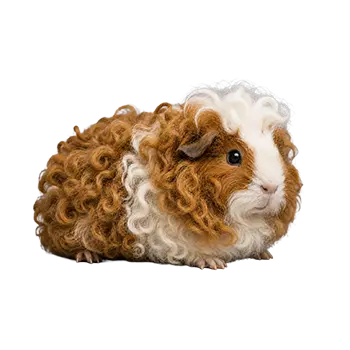

Guinea pigs are generally considered to enter their senior years at around four to five years of age, though the exact timing varies depending on genetics, diet, overall health, and the quality of care received throughout life. Some Peruvian guinea pigs show few signs of aging until well past five years, while others may begin to slow down a bit earlier. Rather than fixating on a specific birthday as the threshold, it is more useful to watch for the gradual changes in activity level, appetite, and physical condition that signal the transition into the senior stage.
The shift into the senior years is usually subtle rather than sudden. You may notice that your Peruvian is a little less enthusiastic about floor time, takes longer to settle into new situations, or sleeps more than it did during its active adult years. The coat may begin to lose some of its luster or become slightly thinner in places, though coat changes can also indicate health issues that should be investigated. Weight may gradually decrease as muscle mass naturally declines with age.
Once you recognize that your guinea pig is entering its senior period, the approach to care should shift toward increased monitoring and greater comfort. More frequent veterinary visits, typically every six months rather than annually, allow for earlier detection of age-related conditions. Adjustments to the cage setup, diet, and handling routine can help accommodate the physical changes that come with aging and ensure that your Peruvian's later years are as comfortable and fulfilling as possible.
It is important to remember that entering the senior stage does not mean a guinea pig is at the end of its life. Many guinea pigs live happily for a year or more after reaching senior status, especially with attentive care. The goal during this period is to maintain quality of life, manage emerging health concerns proactively, and continue providing the companionship, enrichment, and affection that your guinea pig has enjoyed throughout its life.