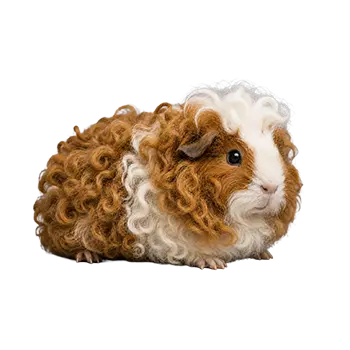

Peruvian guinea pig pups are born remarkably precocial compared to many other small mammals. They arrive fully furred with their eyes open and ears functional, ready to explore their surroundings almost immediately after birth. A typical litter consists of one to four pups, and each newborn usually weighs between 60 and 120 grams depending on the litter size. Smaller litters tend to produce larger individual pups, while larger litters may yield slightly smaller but still perfectly healthy babies.
During the first hours of life, the mother will clean each pup thoroughly, removing the birth membrane and stimulating circulation. This bonding period is critical, so it is important to avoid unnecessary handling during the initial hours unless a pup appears to be in distress. The pups should begin nursing within the first hour, as the colostrum produced during early feedings provides essential antibodies that will protect them during their most vulnerable period.
Even in these earliest moments, Peruvian pups will display the beginnings of their signature long coat. The fur at birth is already noticeably softer and slightly longer than that of short-haired breeds. While the dramatic flowing coat will take months to develop fully, the texture and growth pattern are visible from the very start. Ensure the cage is clean, draft-free, and at a stable temperature so that the newborns can focus their energy on feeding and bonding rather than thermoregulation.
Check each pup gently after the first few hours to confirm that all appear active, are nursing, and have no visible injuries or deformities. Count the pups and compare to what you observed during birth if possible. If any pup is noticeably cold, lethargic, or has been pushed away from the group, consult a veterinarian experienced with guinea pigs promptly.