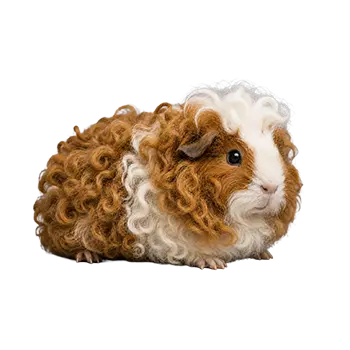

Peak Health Maintenance

A Peruvian guinea pig reaches full maturity at around one year of age and enters its prime adult years, a period that typically lasts until around four to five years old. During this stage, the focus shifts from supporting rapid growth to maintaining stable health, preventing disease, and catching potential problems early. A well-cared-for adult Peruvian should be alert, active, vocal at feeding times, and maintaining a steady weight within its healthy range.

Regular veterinary wellness checks are the cornerstone of peak health maintenance. An annual examination by a veterinarian experienced with guinea pigs allows for early detection of common conditions such as dental disease, bladder stones, ovarian cysts in females, and respiratory infections. During the exam, the vet will assess body condition, listen to the heart and lungs, examine the teeth, palpate the abdomen, and discuss any concerns you may have about behavior or eating habits.

At home, establish a routine of weekly health checks that you perform yourself. Gently examine your Peruvian's eyes, ears, nose, teeth, feet, and skin, parting the long coat carefully to inspect the skin beneath for signs of parasites, fungal infection, or irritation. Check the nails and trim them regularly, as overgrown nails can curl and cause pain or mobility issues. Weigh the guinea pig weekly and record the result so that gradual weight changes do not go unnoticed.

Preventing illness through good husbandry is far more effective than treating disease after it develops. Keep the cage clean with regular bedding changes, maintain proper ventilation without drafts, and ensure the diet provides adequate vitamin C every day. A stable routine, a clean environment, and attentive observation form the foundation of health for the adult Peruvian guinea pig.

Nutrition at Maturity

The adult Peruvian guinea pig's diet should be built on unlimited timothy hay, which remains the single most important component of nutrition throughout the animal's life. Timothy hay provides the long-strand fiber essential for healthy gut motility and for the continuous grinding action that keeps the guinea pig's ever-growing teeth at a proper length. An adult Peruvian should consume a body-sized pile of hay daily, and fresh hay should always be available.

Timothy-based pellets should be offered in a measured daily portion, typically around one-eighth cup per guinea pig per day. Pellets provide a concentrated source of vitamins and minerals, but overfeeding pellets can lead to obesity and selective eating, where the guinea pig fills up on pellets and ignores the hay it needs for digestive and dental health. Choose a plain pellet without added seeds, dried fruit, or colored pieces, as these additions provide unnecessary sugar and can encourage picky eating.

Fresh vegetables remain essential for meeting the adult Peruvian's daily vitamin C requirement of approximately 25 to 30 milligrams. A daily serving of one cup of mixed vegetables per guinea pig is a reasonable target. Bell peppers are among the richest vegetable sources of vitamin C and should be a regular part of the rotation. Leafy greens such as romaine, green leaf lettuce, and cilantro add variety and hydration. Limit high-calcium greens like spinach and kale to occasional offerings to reduce the risk of bladder stone formation.

Fruit should be treated as an occasional treat rather than a dietary staple. Small pieces of apple, strawberry, blueberry, or melon can be offered a few times per week, but the sugar content makes them inappropriate for daily feeding. Monitor your guinea pig's weight and adjust food quantities if you notice the animal becoming overweight, as obesity is a significant health risk that can shorten lifespan and contribute to joint problems, heart disease, and pododermatitis.

Exercise & Fitness

Adult Peruvian guinea pigs need daily opportunities for physical activity to maintain muscle tone, prevent obesity, and support mental well-being. While guinea pigs are not distance runners, they are naturally active grazers that in the wild would spend much of their waking time moving through grasslands in search of food. Replicating this active lifestyle in captivity requires both a spacious cage and regular supervised time outside of it.

The cage should provide a minimum of seven to eight square feet of continuous floor space for one guinea pig, with additional space for each companion. Within the cage, arrange furniture, tunnels, and hiding spots to encourage movement rather than allowing the guinea pig to sit in one location all day. Rearranging the cage layout periodically can reinvigorate interest in exploring the space.

Daily floor time of at least thirty minutes to an hour gives the adult Peruvian a chance to stretch its legs, run, and exhibit natural popcorning behavior. Use a secure, guinea-pig-proofed area with no accessible electrical cords, small spaces where the animal could become stuck, or surfaces that might snag the long coat. Placing hay piles, vegetables, and tunnels around the floor time area encourages active foraging rather than sitting still.

Be mindful of the Peruvian's long coat during exercise. Hair that drags on the ground can pick up dirt, become tangled, or catch on objects. If the coat is kept at full length, consider wrapping or pinning it up during floor time to prevent it from impeding movement or becoming soiled. Many owners find that maintaining the coat at a practical length of a few inches reduces exercise-related grooming issues significantly while still preserving the breed's beautiful appearance.

Preventive Health Care

Preventive care for the adult Peruvian guinea pig focuses on staying ahead of the conditions most likely to arise during the prime years. Dental disease is one of the most common health problems in guinea pigs, and it can develop silently until it becomes severe. Guinea pig teeth grow continuously throughout life, and if they do not wear evenly through proper chewing of hay and fibrous foods, malocclusion can develop. Signs of dental trouble include drooling, difficulty eating, weight loss, and a preference for soft foods over hay. Regular veterinary dental checks can catch problems before they become painful.

Bladder and kidney stones are another significant concern, particularly for guinea pigs fed a diet high in calcium. Adult Peruvians should be on a timothy-based rather than alfalfa-based diet, and high-calcium vegetables should be limited. If you notice your guinea pig straining to urinate, producing gritty or bloody urine, or vocalizing during urination, seek veterinary care promptly. Radiographs can confirm the presence of stones, and treatment options range from dietary management to surgical removal depending on the size and location.

Skin and coat problems are especially relevant for the Peruvian breed due to the density and length of the hair. Fungal infections such as ringworm and infestations by mites or lice can cause itching, hair loss, scabbing, and general discomfort. The long coat can make it harder to spot these problems early, which is why parting the hair during weekly health checks is so important. Treatment typically involves topical or oral medications prescribed by a veterinarian.

Respiratory infections remain a risk throughout the guinea pig's life. Maintain good ventilation in the cage area, use dust-free bedding, avoid housing guinea pigs near rabbits, which can carry bacteria harmful to guinea pigs, and keep the environment clean and dry. At the first sign of sneezing, nasal discharge, or labored breathing, contact your veterinarian without delay.

Behavioral Maturity

By the time a Peruvian guinea pig reaches full adulthood, its personality is well established. The adolescent mood swings and boundary-testing behaviors of the juvenile period have typically settled into a consistent temperament. Adult Peruvians are generally curious, sociable animals that recognize their owners, respond to voices and routines, and communicate their needs through an expressive range of vocalizations including wheeks, purrs, chattering, and rumbling.

The adult Peruvian will have established clear preferences for food, handling, sleeping locations, and social interactions. Respect these preferences where possible, as consistency and predictability contribute to a low-stress environment. If your guinea pig has a favorite hiding spot, a preferred lap position during handling, or a particular vegetable it adores, maintaining these small routines strengthens the bond between you.

Social dynamics in a group of adult guinea pigs are generally stable once a hierarchy has been established. Occasional minor squabbles are normal and usually resolve quickly with a bout of teeth chattering or a brief chase. However, if you need to introduce a new guinea pig to an established group or pair, do so carefully using a neutral territory and gradual introduction protocol. Adult guinea pigs can be less accepting of new companions than juveniles, so patience and close supervision are essential during the introduction period.

Enrichment remains important throughout the adult years to prevent boredom and associated behaviors such as excessive chewing, barbering, or lethargy. Rotate toys and foraging opportunities regularly, and continue daily interaction and handling sessions. An engaged, mentally stimulated adult Peruvian is a healthier and happier animal than one left alone with nothing to do.

Coat Maintenance & Grooming

The adult Peruvian guinea pig's coat reaches its full glory during the prime years, and maintaining it in good condition is one of the most time-intensive aspects of caring for this breed. At full length, a Peruvian's hair can grow to twelve inches or more, sweeping along the ground and covering the face entirely if left untrimmed. Most pet owners opt to keep the coat trimmed to a practical length that showcases the breed's beauty without requiring the intensive daily grooming that show-length coats demand.

Regardless of coat length, regular brushing is essential. Use a soft-bristle brush for daily smoothing and a wide-toothed comb for working through any tangles before they tighten into mats. Always work from the tips of the hair toward the body and be gentle, as guinea pig skin is thin and easily irritated. Pay special attention to the area around the hindquarters, which is the most common site for soiling and matting, and the hair over the face, which can obstruct vision if not trimmed or parted.

The grease gland located near the base of the spine is a feature of all guinea pigs but tends to be more active in males. This gland can produce an oily, waxy secretion that mats the surrounding hair and develops an unpleasant odor if not cleaned regularly. Clean the grease gland area during grooming sessions using a small amount of coconut oil to soften the buildup, followed by gentle wiping with a damp cloth. If the buildup is persistent, a targeted wash of just that area may be necessary.

Bathing the entire guinea pig should remain an infrequent event, reserved for situations where spot cleaning cannot address the issue. When a full bath is needed, use lukewarm water and a mild shampoo formulated for small animals. Rinse the coat thoroughly, as shampoo residue can cause itching and skin flaking. Dry the guinea pig completely before returning it to its cage, using towels first and then a low-heat dryer at a safe distance. A damp long coat can take hours to air dry and leaves the animal susceptible to chilling.

Always consult a qualified professional before making any health-related decisions. This content is provided for informational reference only and should not replace professional guidance specific to your animal.